Edition No. 50 · 14 Oct 2026
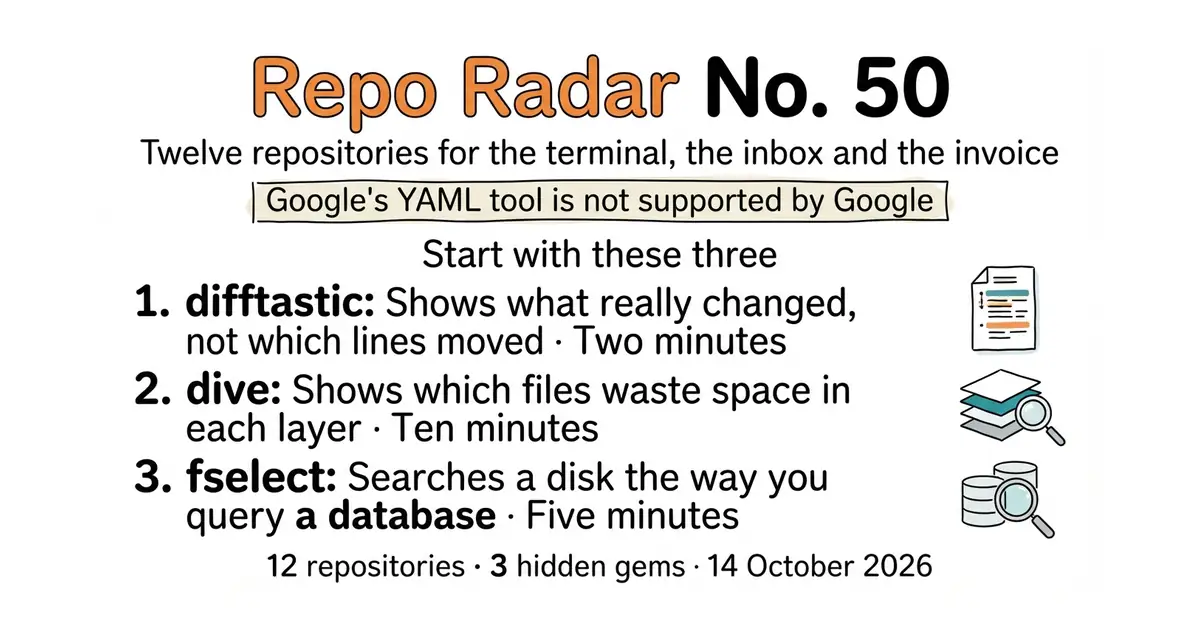
Google's YAML tool is not supported by Google
A code comparison that ignores reformatting, a file search written as queries, and three ways to send a bill.
14 October 2026. Twelve open-source repositories, opened and checked this morning. No theme. Today's mix leans towards the command line, the support inbox and the invoice.
We aim for twelve every day. Some candidates fall out while we check them — those are listed at the end, with the reason.
Three things worth knowing, separate from the recommendations
- An account name on GitHub says who owns the account, not who supports the work. google/yamlfmt, entry 3, sits under the google account and states in its own README that it is not yet officially supported by Google and that one maintainer works on it mostly in spare time. Nine months separate its two most recent releases, which fits that description. The software is fine and the warning is the project's own. The lesson is only that a familiar name in a repository address is not a support commitment, and the place to check is the README. - A release date is not a code date, and today's twelve show the gap clearly. wagoodman/dive, entry 11, last published a release on 29 March 2025 and last changed its code on 15 December 2025 — nineteen months against ten. Read only the release and you would call it abandoned, which it is not. clearflask/clearflask, entry 4, has the opposite shape: no releases have ever been published, and its code changed in August 2026. Neither project is unhealthy, and neither can be judged from its releases page alone. - Three projects for money, three different licences, and one comparison that is not open source at all. Entry 7 is MIT, entry 8 is Apache-2.0, entry 9 is GPL-2.0, and all three allow you to run the software for other people. The widely recommended alternative to entry 7, invoiceninja/invoiceninja, is released under the Elastic License, which is not an open-source licence and attaches conditions to offering it as a service. In the money area that distinction is worth checking first rather than last, because billing software tends to end up at the centre of a business.
If you only do three things
- Wilfred/difftastic (#1) — two minutes. One command installs it, one line of settings turns it on, and every code comparison you read from then on is easier to follow. It is the best value on this page.
- wagoodman/dive (#11) — ten minutes, on an image already on the machine. It opens a container image layer by layer and shows which files are wasting space inside it.
- jhspetersson/fselect (#2) — five minutes. It finds files using queries that look like database queries, so a search by size, date, image dimensions or file contents is one line instead of a page of flags. ---
Every link in one place
| # | Repository | What it is | Stars | Licence | Project site |
|---|---|---|---|---|---|
| 1 | Wilfred/difftastic | Compares code by structure instead of by line | 26,010 | MIT | difftastic.wilfred.me.uk |
| 2 | jhspetersson/fselect | Finds files using database-style queries | 4,467 | Apache-2.0 and MIT | fselect.rocks |
| 3 | google/yamlfmt 💎 | Formats and checks YAML files | 1,837 | Apache-2.0 | none listed |
| 4 | clearflask/clearflask 💎 | A feedback board with voting and a roadmap | 447 | Apache-2.0 | clearflask.com |
| 5 | nikoksr/notify | One call sends a message to many services | 3,915 | MIT | none listed |
| 6 | krayin/laravel-crm | A customer and sales record system | 23,845 | MIT | krayincrm.com |
| 7 | InvoicePlane/InvoicePlane | Self-hosted invoices, quotes and payments | 3,191 | MIT | invoiceplane.com |
| 8 | killbill/killbill | Subscription billing and payments, since 2010 | 5,791 | Apache-2.0 | killbill.io |
| 9 | ledgersmb/LedgerSMB 💎 | Double-entry accounting with ordering and stock | 570 | GPL-2.0 | ledgersmb.org |
| 10 | vitest-dev/vitest | A test runner for JavaScript and TypeScript | 17,204 | MIT | vitest.dev |
| 11 | wagoodman/dive | Opens a container image layer by layer | 54,454 | MIT | none listed |
| 12 | Infisical/infisical | Stores and rotates passwords and keys | 29,759 | MIT, with a paid directory | infisical.com |
Google's YAML tool is not supported by Google
Twelve repositories, checked and reviewed. Every version verified against the GitHub API and dated.

26,010 stars · MIT, read from the About sidebar on 2026-10-14 · 0.71.0 (2026-09-18), read from /releases/latest and settled exactly by ungh's releases endpoint at 2026-09-18T22:57:29Z · Track this in Scout · Share this tool
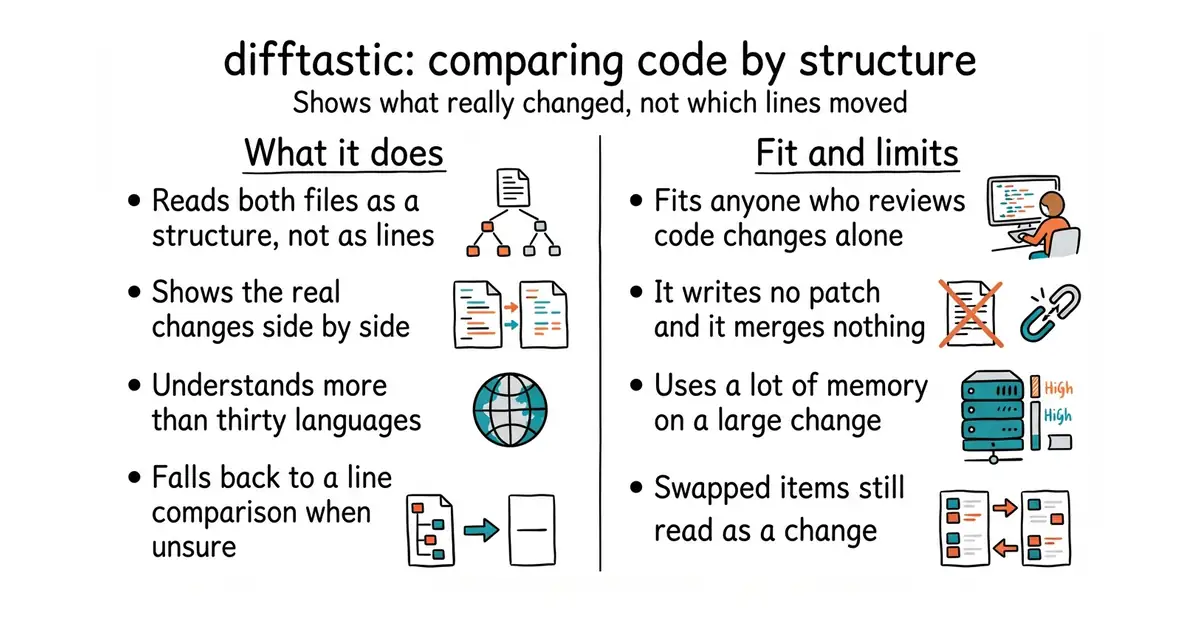
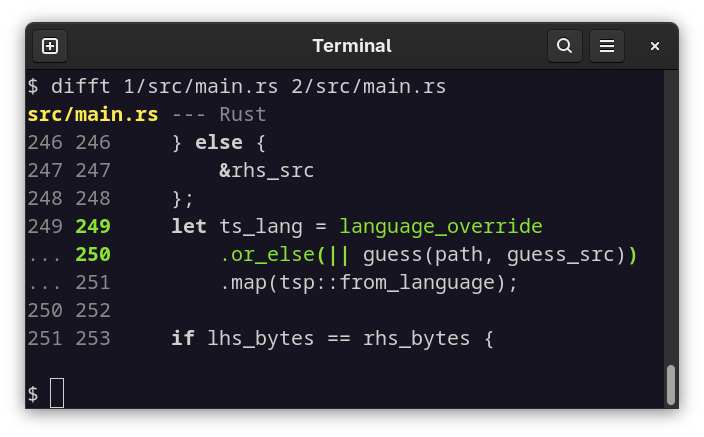
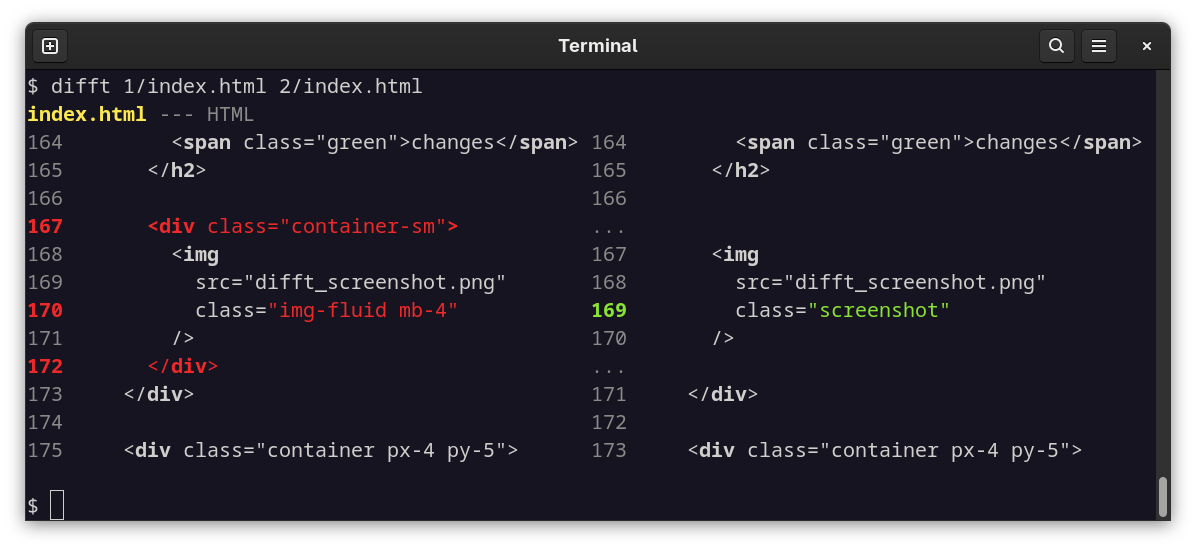
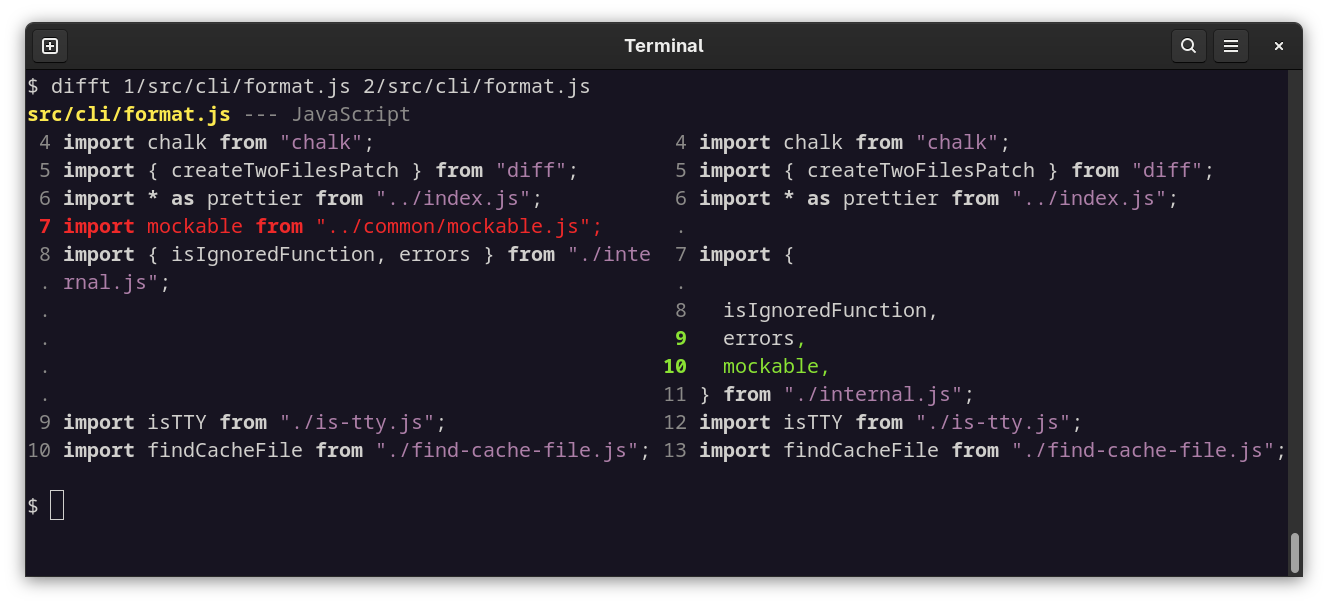
Compares the syntax tree of each file rather than its lines, so moved or reformatted code shows as unchanged.
▶Repo detailsthe review · specs · pros & cons · install
What it does
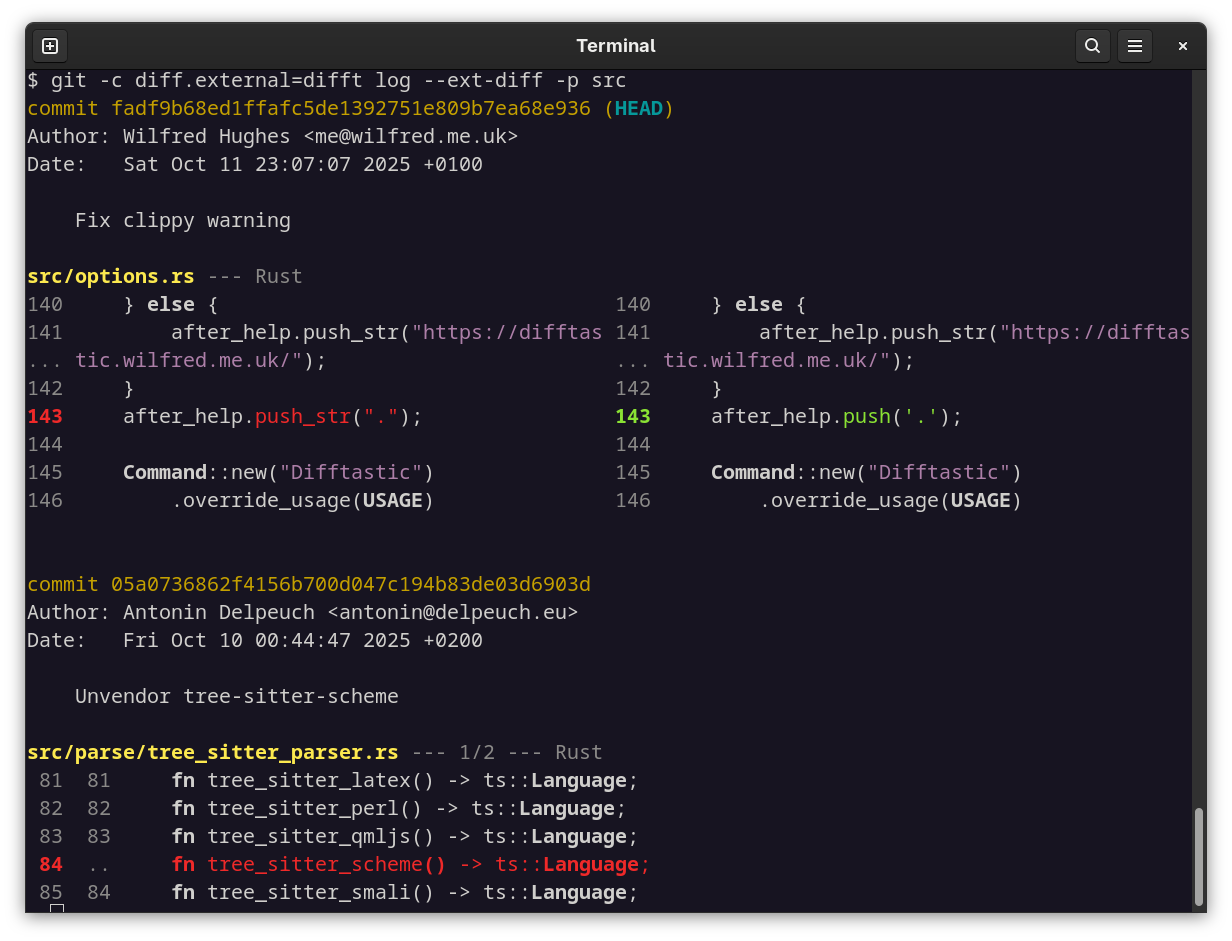
You run it in place of the normal comparison tool. It parses both files, compares the two structures, and prints the result side by side with the real changes highlighted. It understands over 30 programming languages. A file with an extension it does not know falls back to a line-by-line comparison with word highlighting, and so does a file it cannot parse, although one setting allows a small number of parse errors before it gives up. It also understands the markers git leaves in a file when two changes collide. The newest release is 0.71.0, from 18 September 2026, and code landed this morning. What it does not do is produce a patch file. It is a viewer, not a tool for applying changes, and it does not merge anything either. The README points at a separate project for merging.
Why it matters
Who it suits. Anyone who reads code changes regularly and has lost time to a comparison full of noise: a reformatted file, a function moved from one place to another, a change in indentation after switching tools. It helps most where reviews happen alone, because there is no colleague to say "ignore the first forty lines, that is just formatting". Skip it if the files you compare are prose or data rather than code, because the structural reading is the whole value and prose has little structure to read.
Verdict. The cheapest useful change on this page. Two minutes to install, one line in a settings file, and nothing else to learn, because the commands stay the same. Two honest limits before you turn it on everywhere. It uses a lot of memory on a change with many edits in it, so a very large commit can be slow. And it treats order as meaningful, so two items swapped around still read as a change. Both are stated plainly in the README. dandavison/delta at 32,100 stars solves a different half of the same problem: it keeps the line-by-line comparison and makes it readable, with syntax colours and a side-by-side view, and Edition 43 covered it. Many people run both, because one makes the output pretty and the other makes it correct. so-fancy/diff-so-fancy at 18,100 stars is the older and simpler version of that same idea.
- One command to install on every common system, with no runtime to add first.
- Reformatting, moved code and changed indentation stop showing up as changes.
- Turning it on and off is one setting, and the commands you already type do not change.
- It uses a lot of memory on a change with many edits, so a very large commit can be slow.
- It cannot produce a patch file and cannot merge, so it only ever replaces the reading step.
- Swapped items still read as a change, because it treats order as meaningful.
 dandavison/delta
Keeps the line-by-line comparison and makes it readable with colours and a side-by-side view, at 32,100 stars, under an MIT licence; Edition 43 covered it.
Track this in Scout- so-fancy/diff-so-fancy
Reformats ordinary comparison output so it is easier for a person to read, at 18,100 stars, under an MIT licence.
Track this in Scout
brew install difftastic
sudo dnf install difftastic
sudo pacman -S difftastic
nix-env --install difftastic
winget install difftastic
scoop install difftastic

4,467 stars · Apache-2.0 and MIT, both shown in the About sidebar on 2026-10-14 · 0.10.3 (2026-09-05), settled exactly by ungh's releases endpoint at 2026-09-05T08:07:05Z; the GitHub page printed '05 Sep' with no year · Track this in Scout · Share this tool
It finds files using queries that look like SQL.
▶Repo detailsthe review · specs · pros & cons · install
What it does
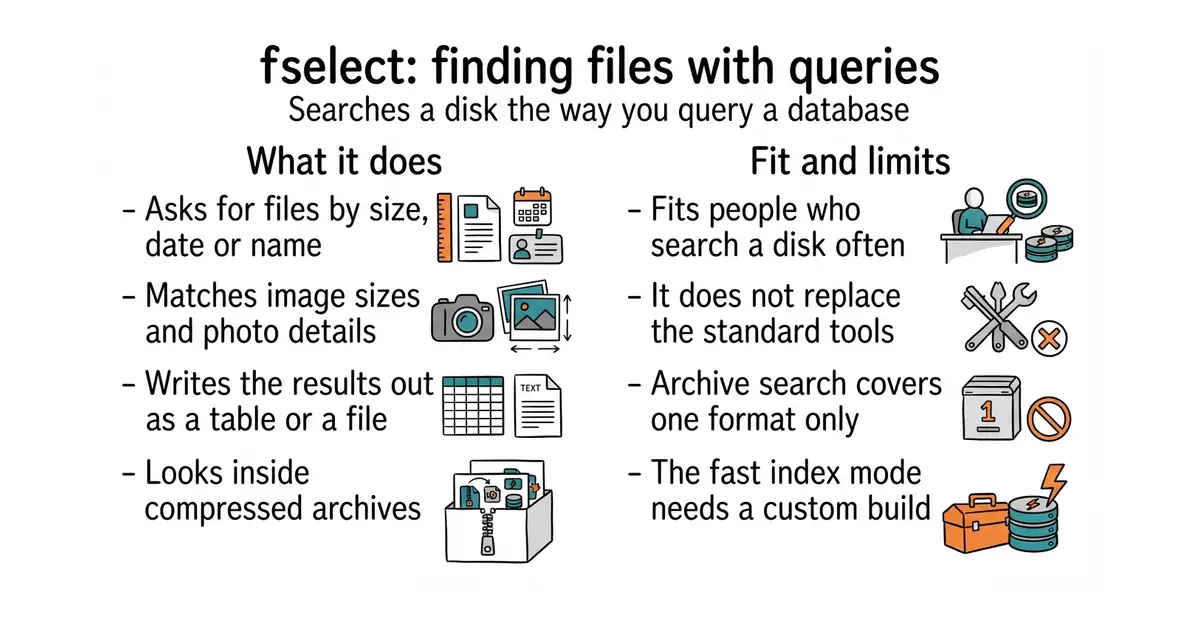
You type a query naming the fields you want, the folder to look in, and the conditions to match. The project is careful to say the language is not real SQL, only something close to it. It supports queries inside queries, functions that count and add up results, and date functions. Results can be printed as a table or written out as CSV, JSON or HTML. It can match on things ordinary file search cannot reach: the width and height of an image, the information cameras store inside a photograph, audio tags, extended file attributes, a file's hash, and its detected type. It can look inside zip archives. It reads .gitignore, .hgignore and .dockerignore files so that ignored files stay out of the results, and the project marks that part experimental. There is an interactive mode, and on Linux and Windows it can use an existing file index to answer faster if it is built with that option switched on. The newest release is 0.10.3, from 5 September 2026. What it does not do is replace the standard tools; the README says so itself. Archive search covers zip only, and nothing else.
Why it matters
Who it suits. Anyone who searches a disk often and writes the same awkward command every time: finding every photograph wider than 3,000 pixels, every configuration file over a megabyte, every file changed today in one folder but not another. It suits people who already think in database queries, because then there is nothing new to learn. Skip it if your searches are simple, because the standard tools are already installed and already fast.
Verdict. Worth five minutes, and the queries are the reason to keep it rather than the speed. The honest framing is that this is a second tool, not a replacement — the project says that plainly, and believing it will save disappointment. The reach into image dimensions, camera information and archive contents is where it earns its place, because that is work that otherwise needs a script. sharkdp/fd at 44,300 stars is the tool to reach for when the search is simple and should be fast, with sensible defaults and a short command. BurntSushi/ripgrep at 67,300 stars answers the other common question, which is finding text inside files rather than finding the files themselves. One practical note: the installed command is fselect, and a query containing brackets needs quoting so the shell does not read it first.
- Conditions on image size, camera information, audio tags, file hashes and detected file type.
- Results can be written straight out as CSV, JSON or HTML, so a search can feed a report.
- It can search inside zip archives, which ordinary file search cannot do at all.
- The query language only looks like SQL, so existing SQL knowledge transfers partly and not fully.
- Archive search covers zip and no other format.
- The index-backed fast mode has to be switched on when the program is built, so the ordinary install does not have it.
- sharkdp/fd
A faster and much simpler replacement for ordinary file search, at 44,300 stars, under Apache-2.0 and MIT licences.
Track this in Scout - BurntSushi/ripgrep
Searches the text inside files rather than finding the files, at 67,300 stars, and honours ignore files the same way.
Track this in Scout
cargo install fselect
brew install fselect
choco install fselect
scoop install fselect
winget install -e --id fselect.fselect

1,837 stars · Apache-2.0, read from /blob/main/LICENSE on 2026-10-12, standard text with the copyright holder placeholder unfilled; formatter.go carries 'Copyright 2024 Google LLC' · v0.21.0 (2026-01-05), settled exactly by ungh's releases endpoint at 2026-01-05T18:42:15Z · Track this in Scout · Share this tool
A command-line formatter and linter for YAML files, usable as a tool, a library or a container image.
▶Repo detailsthe review · specs · pros & cons · install
What it does
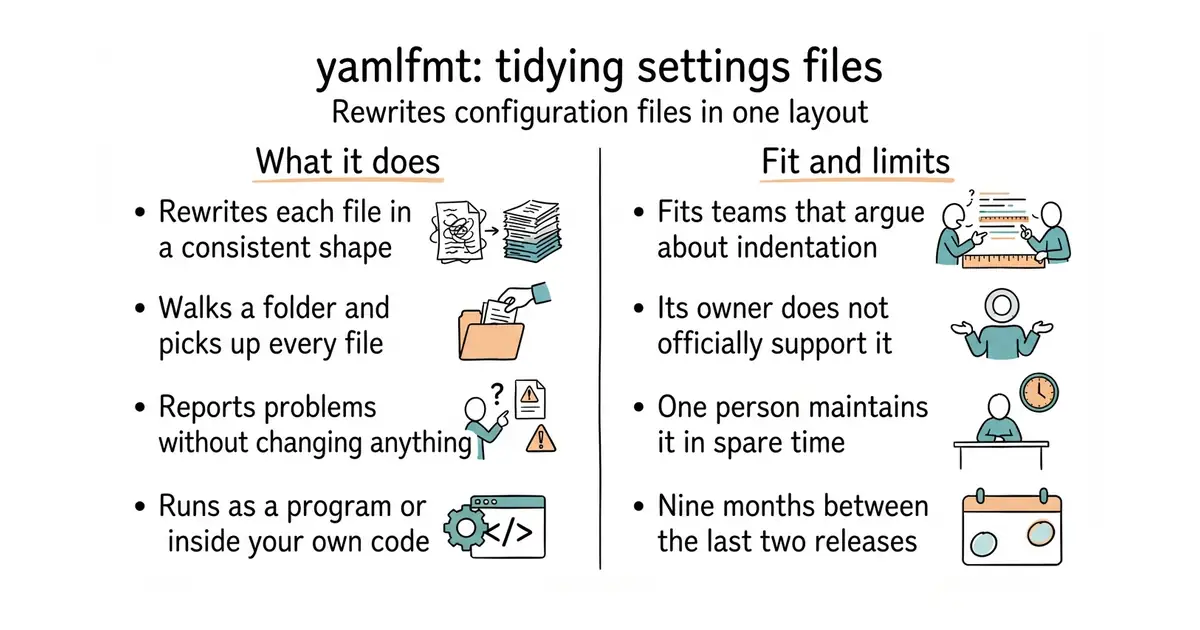
You give it file names, or a folder, and it rewrites each file in a consistent layout. Pointing it at a folder makes it walk through everything inside and pick up files ending in .yaml and .yml. One flag switches on a wider pattern syntax, so you can describe exactly which files to include. A check mode reports what it would change and alters nothing, which is what you run before accepting a change rather than while writing one. Settings go in a .yamlfmt file, and the formatting itself is pluggable, so a different style can be added. It also works as a library inside another program, and there is a container image, so it can run without being installed. Release files carry checksums and are signed, from version 0.14.0 onward. The newest release is v0.21.0, from 5 January 2026, and code landed on 13 October 2026. What it explicitly does not have is official backing. The README states the project is not yet officially supported by Google, and that it is maintained by one person working on it mostly in spare time.
Why it matters
Who it suits. Anyone with a pile of YAML files that several people edit: container settings, build pipelines, deployment descriptions. The check mode is the part that pays for itself, because it ends the argument about indentation by moving it to a program. Skip it if YAML barely appears in your work, or if a general formatter already covers it, because this does one format and nothing else.
Verdict. A good small tool, and the thing to understand is the ownership rather than the code. An account name of google on GitHub tells you who owns the account, not who is on call. This project says in its own README that Google does not officially support it and that one person maintains it in spare time, and nine months between releases is consistent with that. None of this makes it a bad choice, because a formatter that goes quiet still formats. It does mean you should not pick it over an alternative on the strength of the name. prettier/prettier at 52,300 stars formats YAML among many other languages and is the better choice if a project already runs it for JavaScript or Markdown. mikefarah/yq at 15,900 stars is a different job that often gets confused with this one: it reads and edits values inside YAML rather than tidying the layout.
- One small program with nothing to install first, plus a container image for running it without installing.
- A check mode that reports and changes nothing, which is what a build pipeline needs.
- Release files are checksummed and signed, which is unusual for a tool this size.
- The README states it is not officially supported by Google and has one maintainer working in spare time.
- Nine months passed between the newest release and the one before it.
- It handles YAML only, so a project with several file formats needs a second formatter anyway.
- prettier/prettier
Formats YAML along with JavaScript, CSS and Markdown, at 52,300 stars, under an MIT licence; the better choice when a project needs one formatter for everything.
Track this in Scout  mikefarah/yq
Reads and edits the values inside YAML, JSON, XML, CSV and TOML files rather than formatting them, at 15,900 stars, under an MIT licence.
Track this in Scout
go install github.com/google/yamlfmt/cmd/yamlfmt@latest

447 stars · Apache-2.0, from the About sidebar on 2026-10-14; the repository also carries a COPYING file · no releases at all — the Releases section is empty and no version tag has ever been published · Track this in Scout · Share this tool
Open-source feedback management with voting and roadmap framing, under a permissive licence.
▶Repo detailsthe review · specs · pros & cons · install
What it does
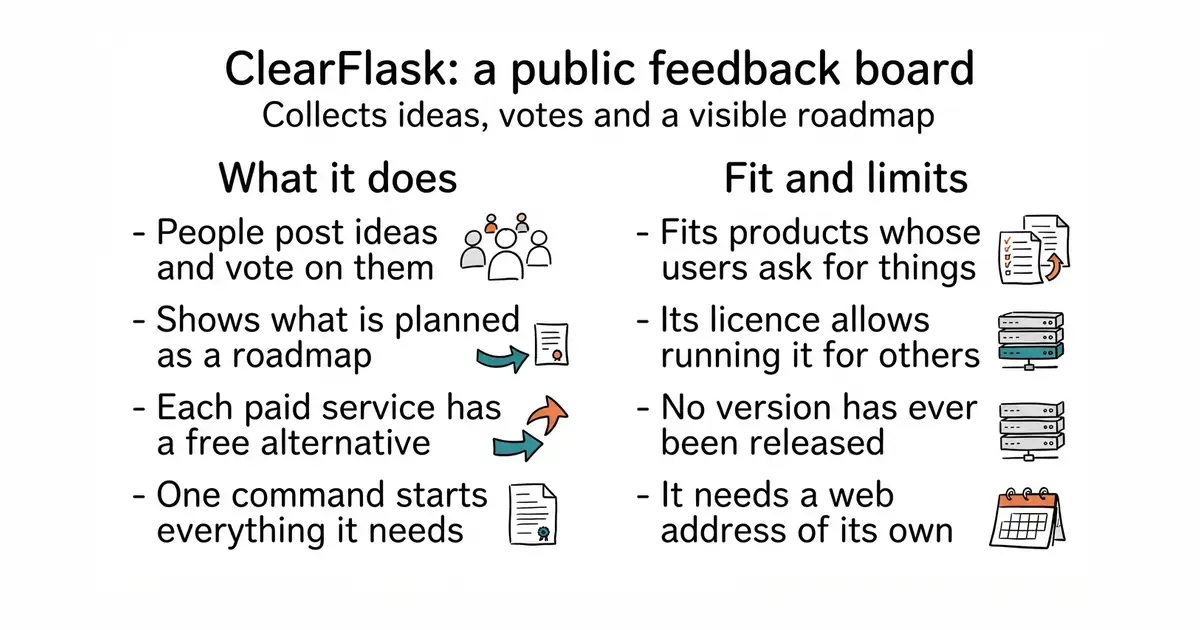
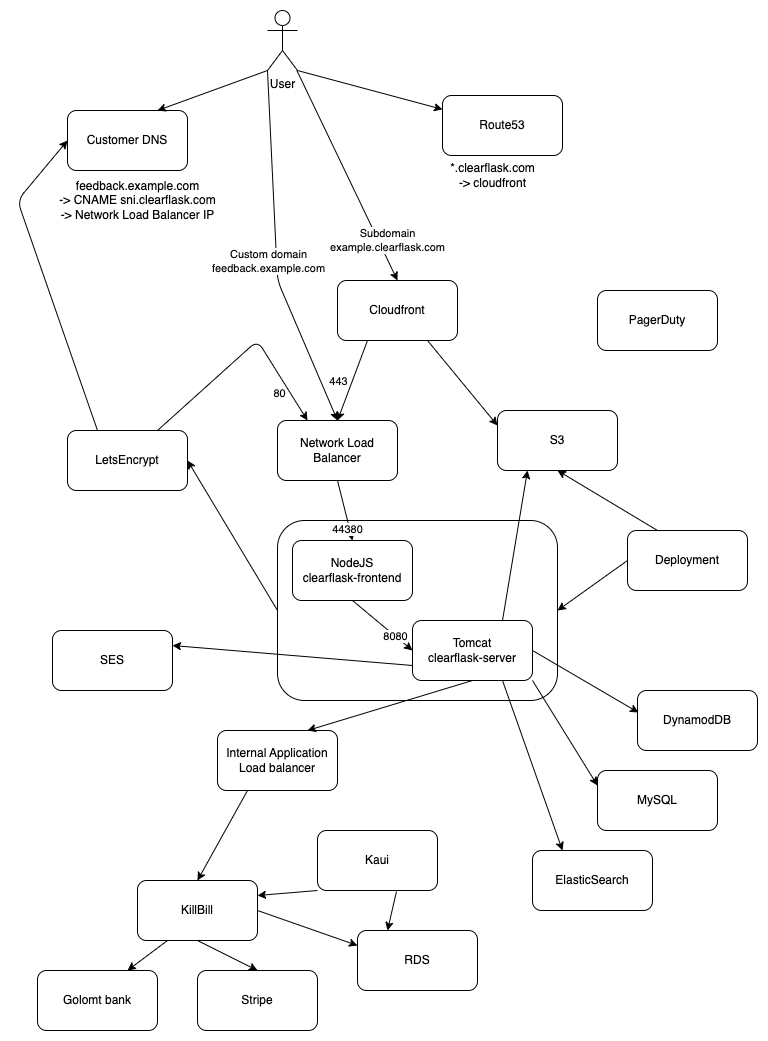
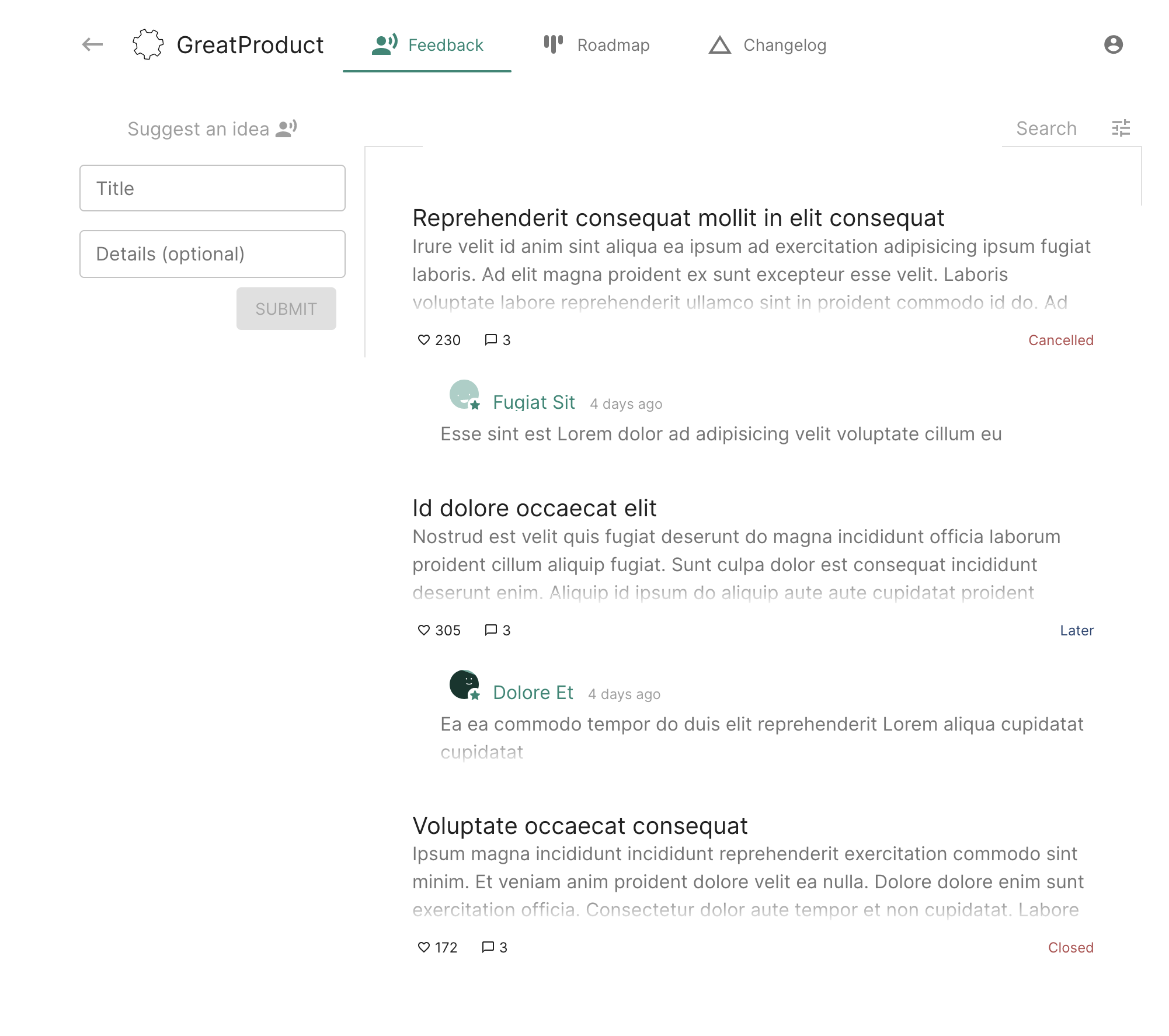
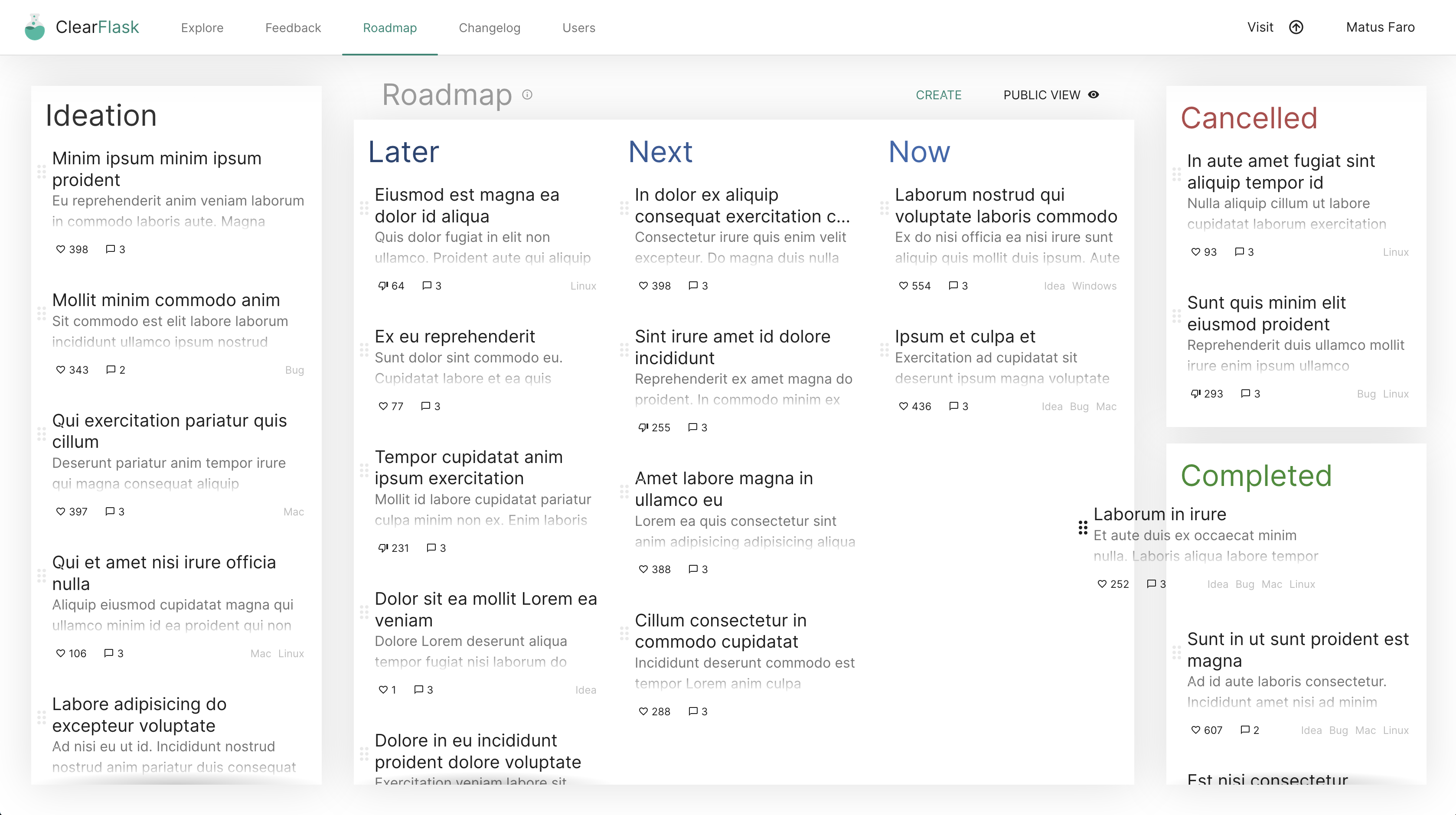
People post ideas, vote on them, and comment. You sort those ideas into stages and show them as a roadmap, so the answer to "are you going to do this" is a page rather than a reply. It comes in two parts: a Java program that serves the data, and a Node.js program that renders pages, manages certificates and serves static files. Behind them it expects a set of services, and offers a free alternative for each: DynamoDB or LocalStack for data, S3 or MinIO for files, MySQL or OpenSearch for search, and either an SMTP server or Amazon's mail service for email. Optional pieces include Google's bot check, automatic certificates from Let's Encrypt, and a content delivery network. Three ways to run it are documented: one Docker Compose command that brings up the dependencies too, Kubernetes charts with automatic scaling and rolling updates, and a one-click deploy on a hosting service. Reporting back to the project can be switched off with one setting. What it does not have is any released version. There are no version tags at all, so an installation tracks whatever is in the repository that day, and upgrades have nothing to pin to.
Why it matters
Who it suits. Anyone running a product with users who ask for things, who wants the asking to be public and the answering to be visible. The licence is the specific reason to look here rather than at the better-known alternatives: Apache-2.0 lets you change it and run it as a service for other people without the obligations that a network copyleft licence adds. Skip it if a simple form and a spreadsheet would do, because the services this expects are more than a feedback form is worth to most people.
Verdict. The licence is the reason to keep this on a shortlist, and the packaging is the reason to be careful. Apache-2.0 on a feedback board is genuinely uncommon, and it matters to anyone who wants to build on it rather than just run it. Against that: no releases at all, a search mode on MySQL that only matches identical words, and a documented refusal to run under a path on an existing site, so it needs its own name in DNS. The last code change was 5 August 2026, which is ten weeks and is fine, but it is the quietest project in today's twelve. getfider/fider at 4,500 stars is the better-known option and runs as a single program with PostgreSQL behind it, which is far less to install, under AGPL-3.0. logchimp/logchimp at 1,100 stars is the other small one, covered in Edition 47. astuto/astuto at 2,300 stars sits between the two, also under AGPL-3.0.
- Apache-2.0, so it can be changed and offered as a service without a network copyleft obligation.
- Every service it depends on has a free local alternative documented beside the paid one.
- Kubernetes charts with scaling and rolling updates, which very few projects this size publish.
- No released versions at all, so an install follows the repository and upgrades cannot be pinned.
- Search on MySQL matches only identical words, so the fuzzy search needs OpenSearch and another service.
- It cannot be served under a path on an existing site, so it needs its own name in DNS.
 getfider/fider
The same job as one program with PostgreSQL behind it, at 4,500 stars, under AGPL-3.0; much less to install.
Track this in Scout logchimp/logchimp
A small self-hosted feedback board, at 1,100 stars, with no licence named in its sidebar; Edition 47 covered it.
Track this in Scout- astuto/astuto
Collects, groups and ranks feedback, at 2,300 stars, under AGPL-3.0.
Track this in Scout
git clone https://github.com/clearflask/clearflask.git
cd clearflask
docker-compose --profile with-deps up


3,915 stars · MIT, read from /blob/main/LICENSE on 2026-10-12, standard and unmodified · v1.6.0 (2026-08-31), settled by ungh's releases endpoint at 2026-08-31T15:56:47Z. A release-gap worth noting: v1.5.0 was 2025-12-15 and v1.4.0 2025-12-11, so about eight and a half months passed between releases while commits continued · Track this in Scout · Share this tool
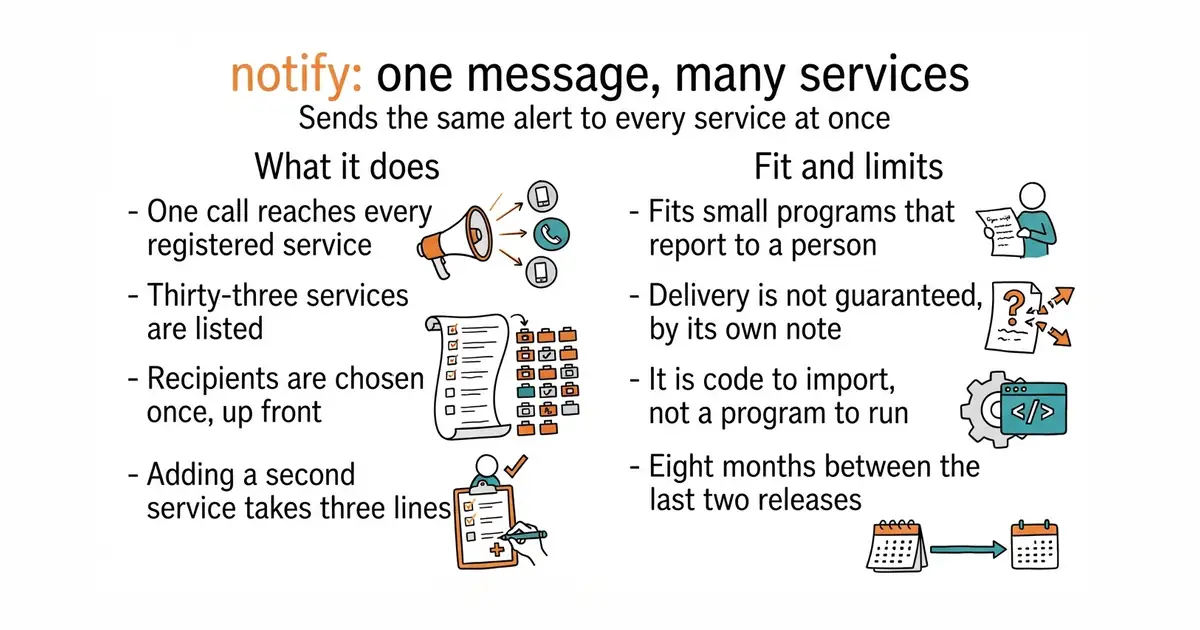
One call that sends the same message to many messaging services at once, with the services registered up front.
▶Repo detailsthe review · specs · pros & cons · install
What it does
You create a service, such as a chat application, using its access token. You add the recipients for that service. You register it with the sender. Then you call send once, with a subject and a message, and every registered service receives it. Adding a second service is three more lines and no change to the sending code. The published list covers 33 services, of which 32 work and one, WhatsApp, is marked as unsupported. The project recommends creating your own sender object rather than using the shared global one, which matters in a program with more than one job. It has 1,245 commits since January 2021. The newest release is v1.6.0, from 31 August 2026, and code landed on 12 October 2026. What it does not promise is reliability. The README says it depends on outside services and client libraries, so it cannot guarantee delivery, and advises against relying on it where delivery is critical.
Why it matters
Who it suits. Anyone writing a small Go program that should report to a person rather than to a log file: a nightly job, a monitor, a scraper, a build step. It fits best where the choice of messaging service is not settled, because changing it later touches three lines instead of a rewrite. Skip it if you do not write Go, and skip it if the alert has to arrive, because the project says itself that it cannot promise that.
Verdict. A sensible small library, used correctly if alerts are a convenience and misused if they are a safety net. The warning in its own README is the honest centre of this entry: one library wrapping 33 services inherits 33 ways to fail quietly, and the project does not pretend otherwise. For anything where a missed message is a problem, send to a service whose delivery you can check. Two other notes. The release gap is wide — eight and a half months passed between v1.5.0 in December 2025 and v1.6.0 in August 2026 — while commits continued throughout, which is a project with a slow release habit rather than a quiet one. And WhatsApp is the single cross in the table, so do not plan around it. caronc/apprise at 17,200 stars is the answer for people who are not writing Go: it is a Python library and also a command-line program, under a BSD-2-Clause licence, so a shell script can use it. binwiederhier/ntfy at 33,500 stars takes the opposite approach, running one small service you own that pushes to your own phone, which removes the dependency on anybody else's messaging platform.
- One call reaches every registered service, so adding or swapping one does not touch the sending code.
- 33 services published in one table, with the one unsupported entry marked rather than hidden.
- MIT licensed, small, and with no services of its own to run.
- The project states it cannot guarantee delivery and advises against critical use.
- Go only, so it is no help in a Python or JavaScript program.
- Eight and a half months passed between the two most recent releases, so pinning a version may mean waiting for a fix.
 caronc/apprise
The same idea as a Python library and a command-line program, at 17,200 stars, under a BSD-2-Clause licence; usable from a shell script.
Track this in Scout binwiederhier/ntfy
One small service you run yourself that pushes messages to your own phone, at 33,500 stars, under Apache-2.0 and GPL-2.0 licences.
Track this in Scout
go get -u github.com/nikoksr/notify

23,845 stars · MIT, from the About sidebar on 2026-10-14 · v2.2.6 (2026-09-10). The release page printed '10 Sep' with no year; ungh's releases/latest endpoint failed, but its releases LIST shows v2.2.5 published 2026-08-04T14:14:09Z and v2.2.4 on 2026-07-23, which settles the newer one as 2026-09-10 · Track this in Scout · Share this tool
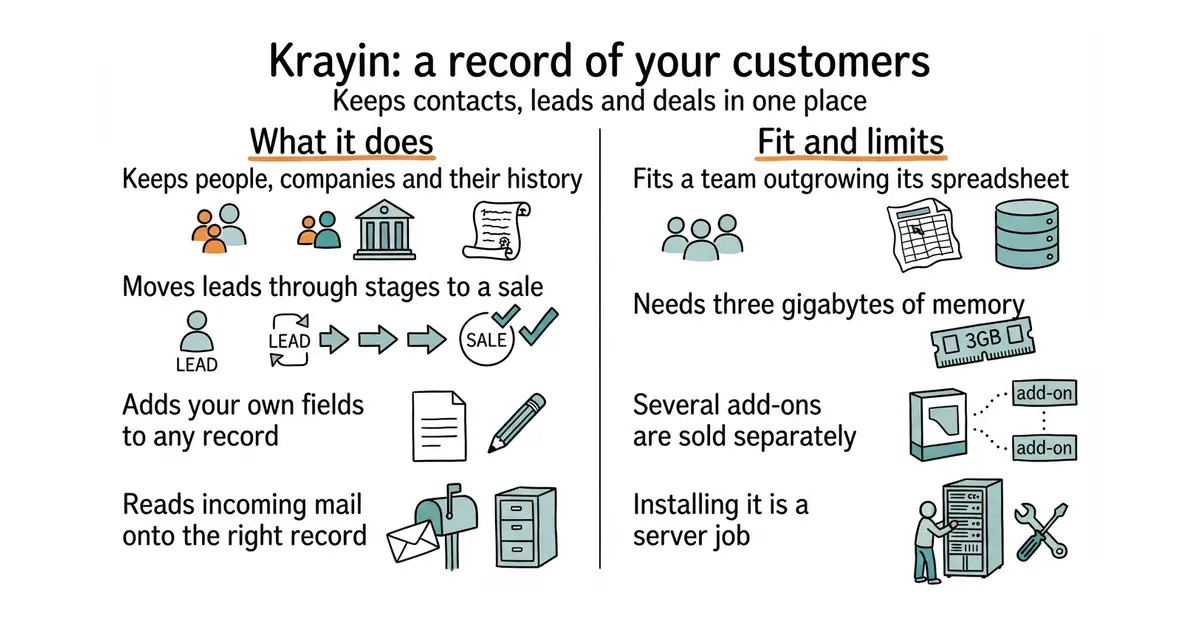
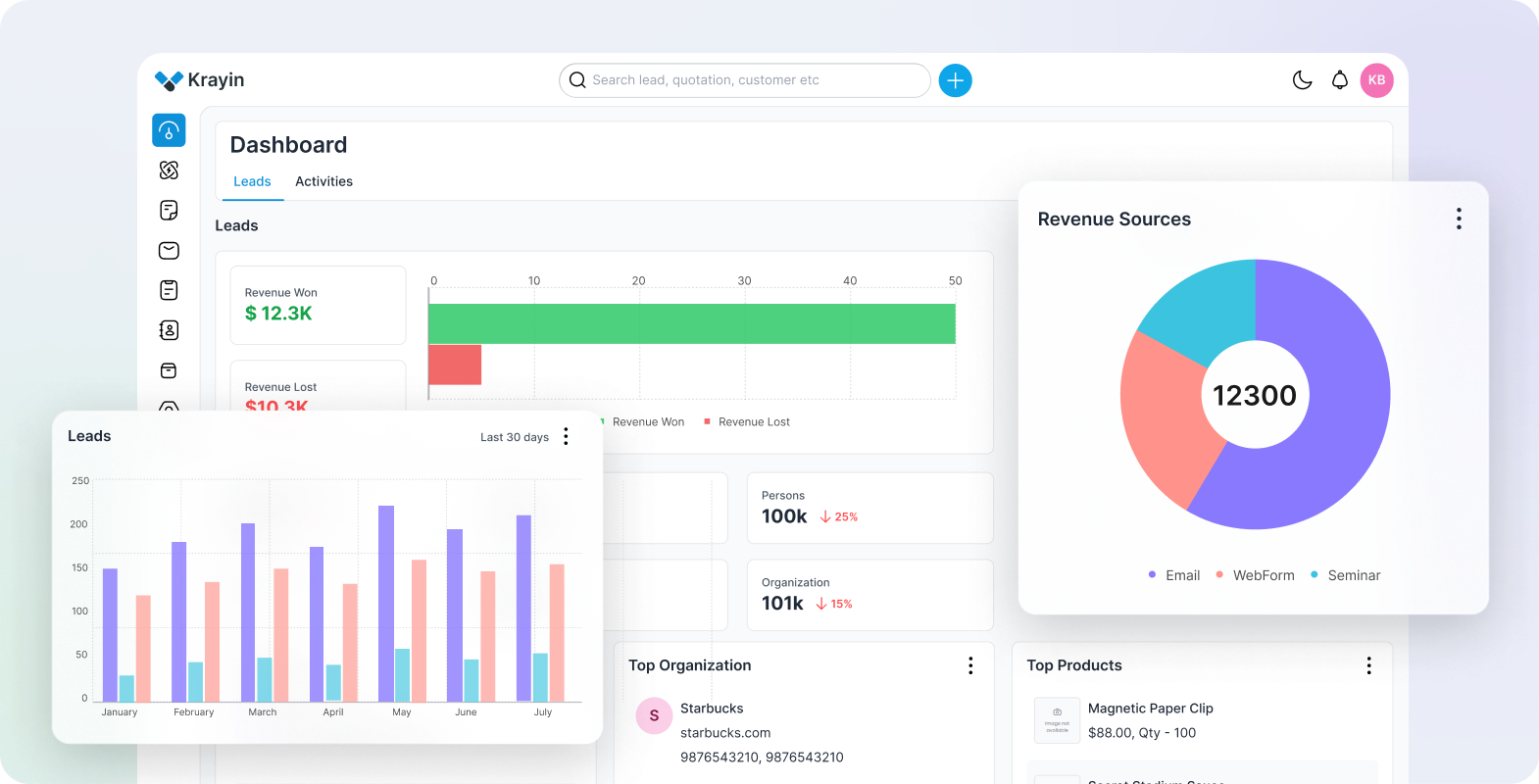
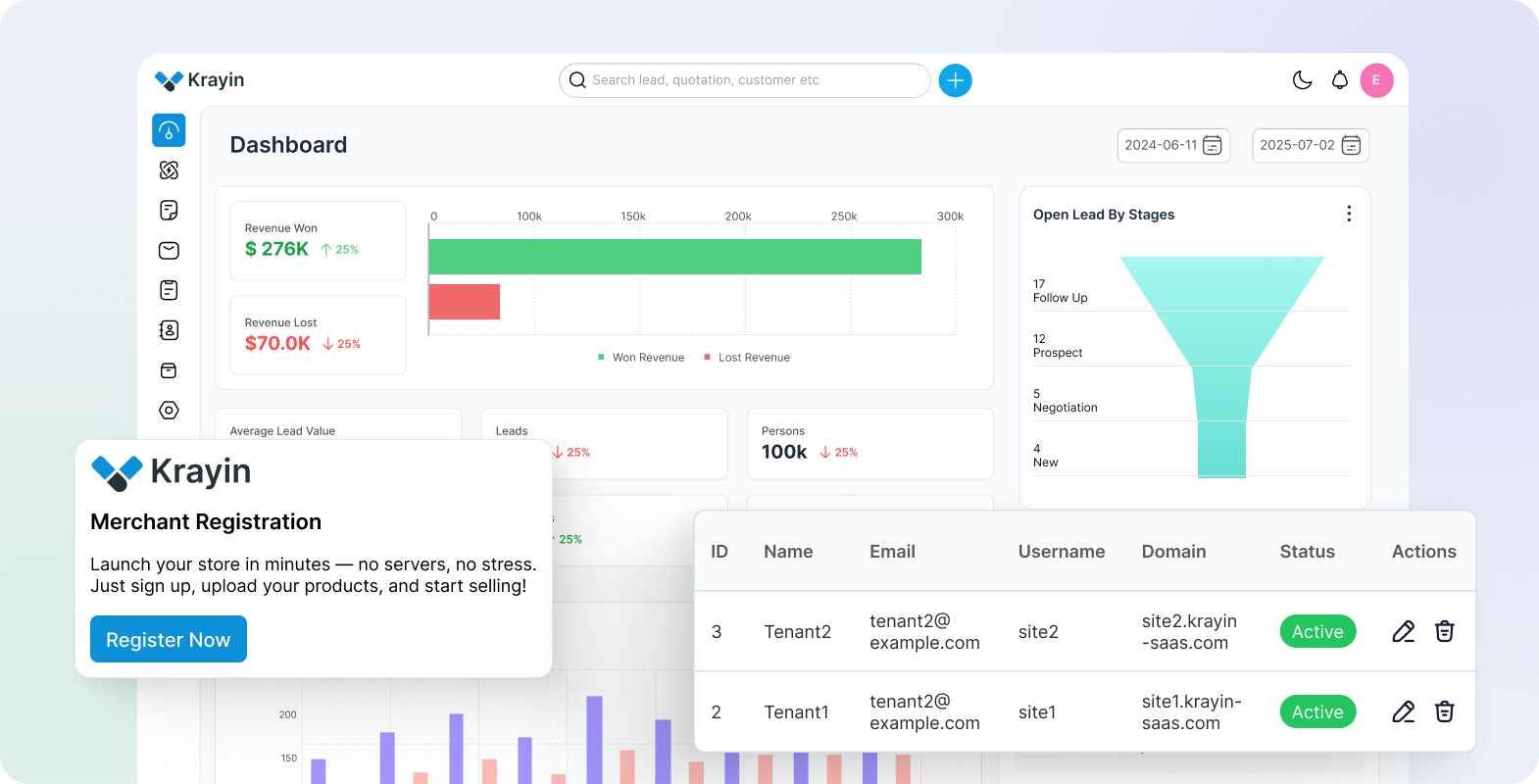
A self-hosted record of customers, leads and sales, built on the Laravel PHP framework.
▶Repo detailsthe review · specs · pros & cons · install
What it does
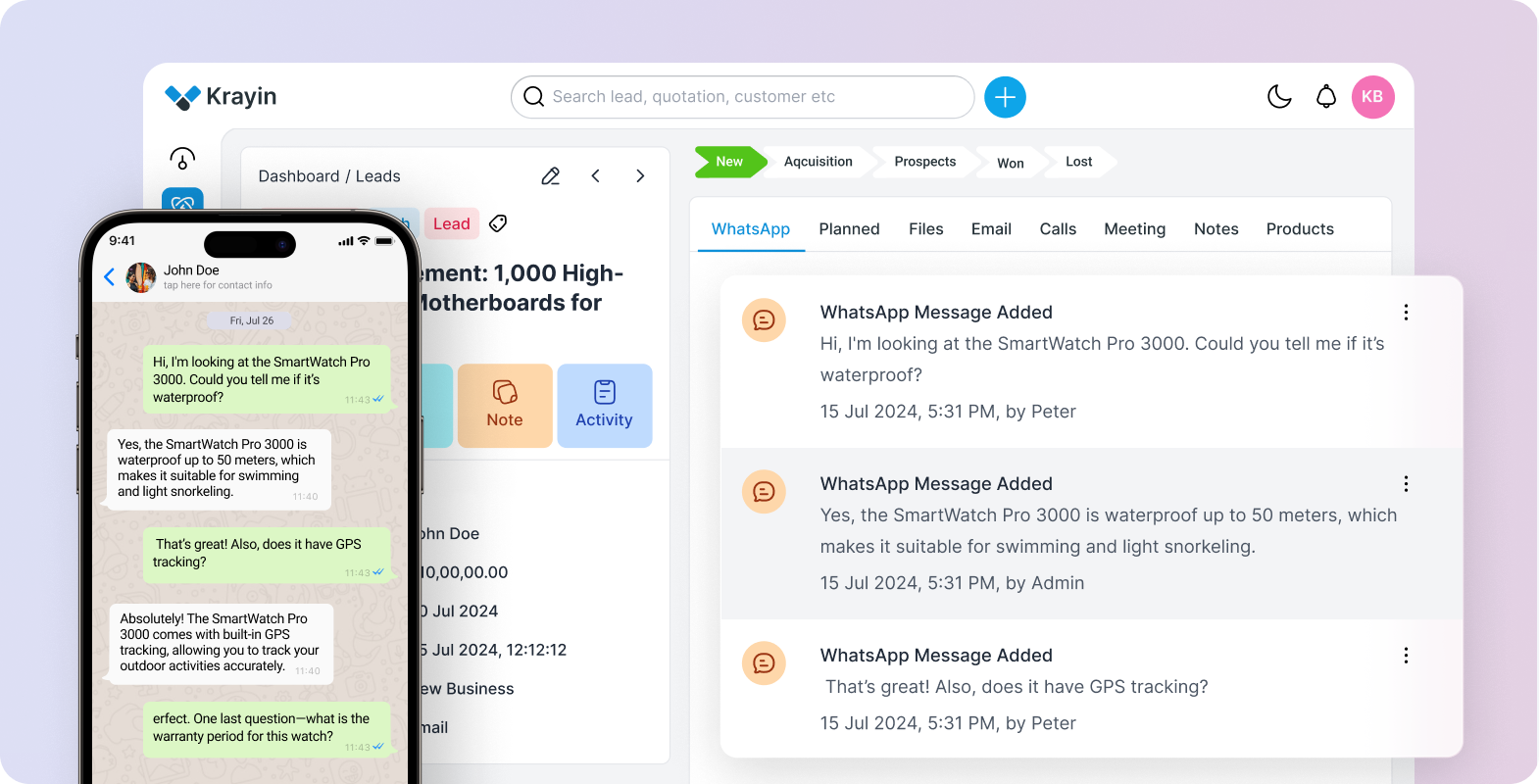
You install it, point a web server at it, and work in a browser. It keeps people and companies, moves leads through stages towards a sale, and shows a dashboard of what is open. Custom attributes let you add fields it does not ship with, which is usually the difference between a CRM that fits and one that does not. It can read incoming email through one mail provider and attach it to the right record. The code is modular, so features can be added as separate packages. The requirements are published and specific: a web server, 3 GB of memory or more, PHP 8.3 or newer, Composer 2.5 or newer, and MySQL 8.0.32 or newer or MariaDB 11.4 or newer. There are 4,449 commits on the current branch. The newest release is v2.2.6, from 10 September 2026, and code landed on 1 September 2026. What the free version does not include is the paid extensions, which are sold separately: a version that serves many separate companies from one installation, WhatsApp lead capture, telephone integration, and managed hosting.
Why it matters
Who it suits. A small team that keeps its customer records in a spreadsheet and has started losing things in it, and that would rather own the data than rent it. It suits a PHP shop especially well, because the modular structure means a developer can add a field, a report or a workflow without leaving the framework they know. Skip it if nobody on the team is comfortable with PHP and a database, because installing this is a server job and not a download.
Verdict. A capable free CRM, and the unusual thing here is how honest the requirements page is. Most projects this size publish nothing about memory; this one names 3 GB, a PHP version, a Composer version and two database versions. That saves an afternoon. Two things to weigh. The paid extensions cover the pieces a growing business tends to want next, so plan on paying if telephone or multi-company is in your future. And the newest release came in September while the recorded code date is early September too, so the pace is steady rather than fast. twentyhq/twenty at 58,300 stars is the most active alternative and a far more modern interface, covered in Edition 9 — its licence is not named in its sidebar, which is worth reading before committing. espocrm/espocrm at 3,500 stars is the mature, plainer choice under AGPL-3.0 and covers marketing campaigns and support cases as well as sales, and Edition 20 covered it.
- Custom attributes, so the record can be shaped to the business instead of the other way round.
- Published requirements, including a memory figure, which most projects this size do not state.
- MIT licensed and modular, so a developer can extend it without forking it.
- Needs 3 GB of memory, PHP 8.3 and a recent MySQL or MariaDB, so it is a server install rather than a download.
- Multi-company hosting, WhatsApp capture and telephone integration are paid extensions.
- Incoming email parsing is documented through one mail provider only.
 twentyhq/twenty
A much more active and more modern self-hosted CRM, at 58,300 stars, with no licence named in its sidebar; Edition 9 covered it.
Track this in Scout espocrm/espocrm
A mature CRM covering sales, marketing campaigns and support cases, at 3,500 stars, under AGPL-3.0; Edition 20 covered it.
Track this in Scout
composer create-project krayin/laravel-crm


3,191 stars · MIT per the README, read on 2026-10-14. The InvoicePlane name and logo are separately copyrighted by Kovah.de and InvoicePlane.com with restricted use · v1.7.2 (2026-08-28). The release page printed '28 Aug' with no year and ungh's releases endpoint failed, so the year is settled only by the code date of 2026-10-14 being later · Track this in Scout · Share this tool
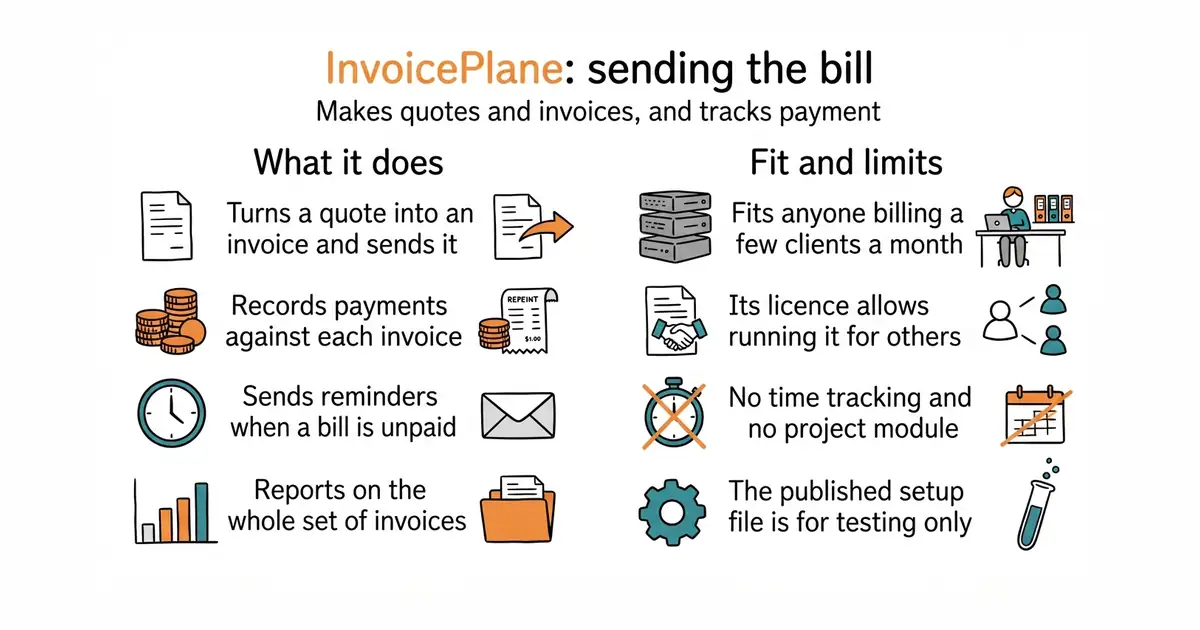
Self-hosted invoices, clients and payments, with no restriction on running it as a service.
▶Repo detailsthe review · specs · pros & cons · install
What it does
You create clients, then quotes, then invoices, and send them out. Each client keeps a contact record and a history of what was billed. Products and simple projects or tasks can be added to an invoice so the lines do not have to be typed each time. Payments are recorded against invoices, reminders can be sent, and several payment providers are supported. Templates, themes and settings control how the invoice looks. There is financial reporting over the whole set. Installation is either a Docker command or a manual setup that copies one example settings file, sets a web address and database details, and then runs an installer page. The newest release is v1.7.2, from 28 August 2026, and code landed this morning. What it does not include is time tracking or a real project module, so work logged by the hour has to be totalled somewhere else first.
Why it matters
Who it suits. Anyone billing a handful of clients a month who wants the invoices, the payment record and the reminders in one place they control. The licence is the real reason to look at it: MIT means you can also run it for other people as a service, which the better-known alternatives do not allow. Skip it if you track time by the hour, because that is the one obvious gap, and skip it if you want a modern interface, because this is an older codebase and looks it.
Verdict. The plainest open-source invoicing application currently available, and the honest comparison is about licences rather than features. invoiceninja/invoiceninja at 10,000 stars does much more, including time tracking and projects, but it is released under the Elastic License, which is not an open-source licence and carries conditions on offering it as a service. This is MIT, with the one restriction stated in the README being the name and the logo. That is the trade. Three practical warnings from the project's own README, all worth reading before the install rather than after. The Docker Compose file is labelled for local testing only and ships a fixed encryption key and database password. Custom invoice templates have to be listed in the settings file, because the folder is not scanned. And an empty session path setting breaks login and stalls the installer, with the project advising against using the system temporary folder on common Linux distributions. InvoiceShelf/InvoiceShelf at 1,800 stars is the modern-looking smaller option, under AGPL-3.0.
- MIT licensed, so running it as a service for other people is allowed.
- Quotes, invoices, payments, reminders and reporting in one program with nothing to subscribe to.
- A Docker command gets a working copy up for a look before any real setup.
- The published Compose file is for testing only and contains a fixed encryption key and database password.
- No time tracking and no real project module, so hourly work has to be totalled elsewhere.
- Several settings must be exactly right or login breaks, and the installer will stall rather than explain.
- invoiceninja/invoiceninja
The same job plus time tracking and projects, at 10,000 stars, but released under the Elastic License rather than an open-source one.
Track this in Scout  InvoiceShelf/InvoiceShelf
A smaller, more modern self-hosted invoicing application, at 1,800 stars, under AGPL-3.0.
Track this in Scout
git clone https://github.com/InvoicePlane/InvoicePlane.git
cd InvoicePlane
docker compose up -d --build


5.7k stars · Apache-2.0 · killbill-0.24.21 (2026-08-12) · Track this in Scout · Share this tool
The veteran open-source subscription billing and payments platform.
▶Repo detailsthe review · specs · pros & cons · install
What it does
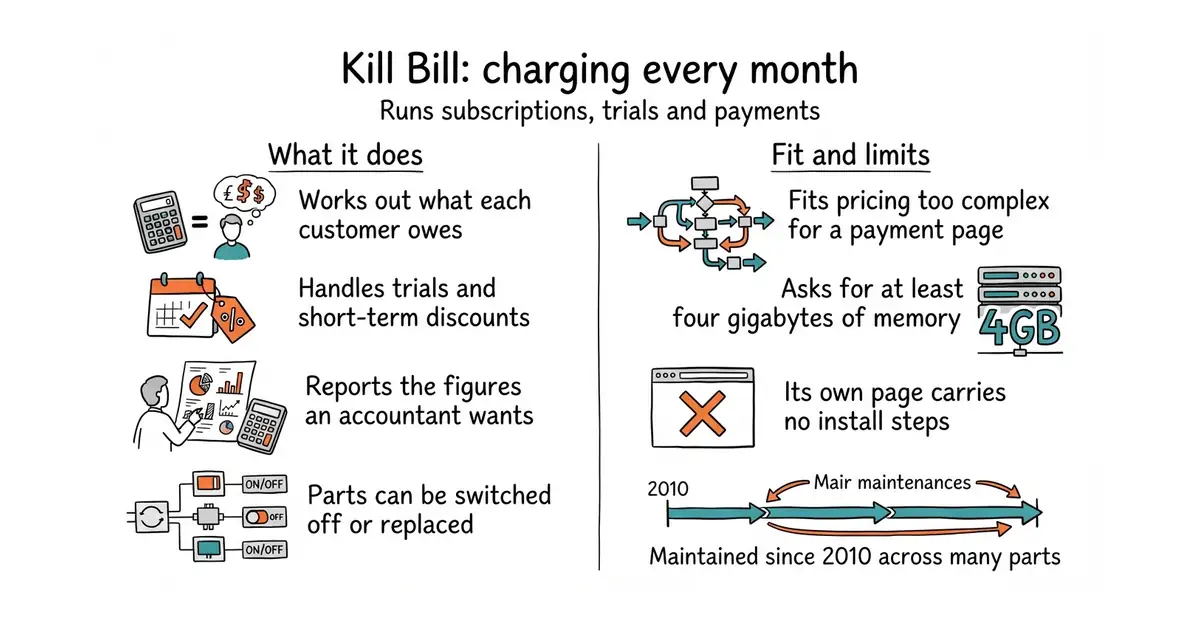
You define plans, with trials and promotional discounts, and it works out what each customer owes and when. It keeps the subscription history, so a plan change halfway through a month produces the right amount rather than an argument. It handles the payment side as well, including retries. Analytics and financial reports come as part of it rather than as an add-on, which is the piece most projects leave to you. It is built to be taken apart: features can be switched off or replaced with systems that are already in place, and there is a published framework for extending it. It can run on your own machines or on rented ones, and the project offers a one-click deployment for one cloud provider. The quick start runs three containers: the billing engine on one port, an administrative interface on another, and a MariaDB database. The newest release is killbill-0.24.22, from 29 September 2026, and code landed on 12 October 2026, from 10,378 commits since 2010. What the project says it is not is an all-in-one solution. It is also spread over many repositories rather than one, so the code you will read is not all in this one place.
Why it matters
Who it suits. Anyone whose charging is complicated enough that the billing provider's own rules have become the problem: usage-based pricing, mid-cycle changes, several currencies, or an accountant who wants the numbers to reconcile. It also suits anyone who cannot accept a billing provider deciding their pricing model for them, which is the reason the project gives for existing. Skip it if a payment provider's own subscriptions page already covers your plans, because this is a large system to run for a problem you do not have.
Verdict. The most serious piece of software on this page, and sixteen years of maintenance is the reason to take it seriously rather than the star count. Billing is the area where a small mistake becomes a refund, an angry customer and a wrong number in the accounts, and a system that has been corrected for sixteen years has had those mistakes found. Against that, be honest about the cost: 4 GB of memory, a database, Java if you are not using containers, and a codebase spread across an organisation rather than one repository. Read the documentation before deciding, because the repository page itself carries no installation instructions at all. getlago/lago at 10,300 stars is the modern alternative aimed at usage-based pricing, under AGPL-3.0, and Edition 11 covered it; it is the one to prefer if metered usage is the main problem and a long history is not required. paymenter/paymenter at 2,700 stars is the much smaller MIT-licensed option built for hosting companies selling services, and Edition 47 covered it.
- Sixteen years of continuous maintenance on a problem where mistakes cost money directly.
- Analytics and financial reports are included rather than left for you to build.
- Apache-2.0, modular, and designed so parts can be replaced by systems already in place.
- Asks for at least 4 GB of memory, plus a database, and JDK 11 if you do not use containers.
- The repository page has no installation instructions, so the documentation site is unavoidable.
- The project is spread over many repositories, so reading the code means moving between them.
 getlago/lago
Billing built around metered usage, at 10,300 stars, under AGPL-3.0; Edition 11 covered it.
Track this in Scout paymenter/paymenter
A much smaller billing and webshop system aimed at hosting companies, at 2,700 stars, under an MIT licence; Edition 47 covered it.
Track this in Scout
docker --version
docker-compose --version
docker-compose up

570 stars · GPL-2.0, linked from both the README and the About sidebar on 2026-10-14 · 1.13.8 (2026-09-11). The release page printed '11 Sep' with no year and ungh's releases endpoints failed on every attempt, so the year is settled only by the code date of 2026-10-12 being later · Track this in Scout · Share this tool
Self-hosted double-entry accounting with ordering, invoicing, stock and timecards, built on PostgreSQL.
▶Repo detailsthe review · specs · pros & cons · install
What it does
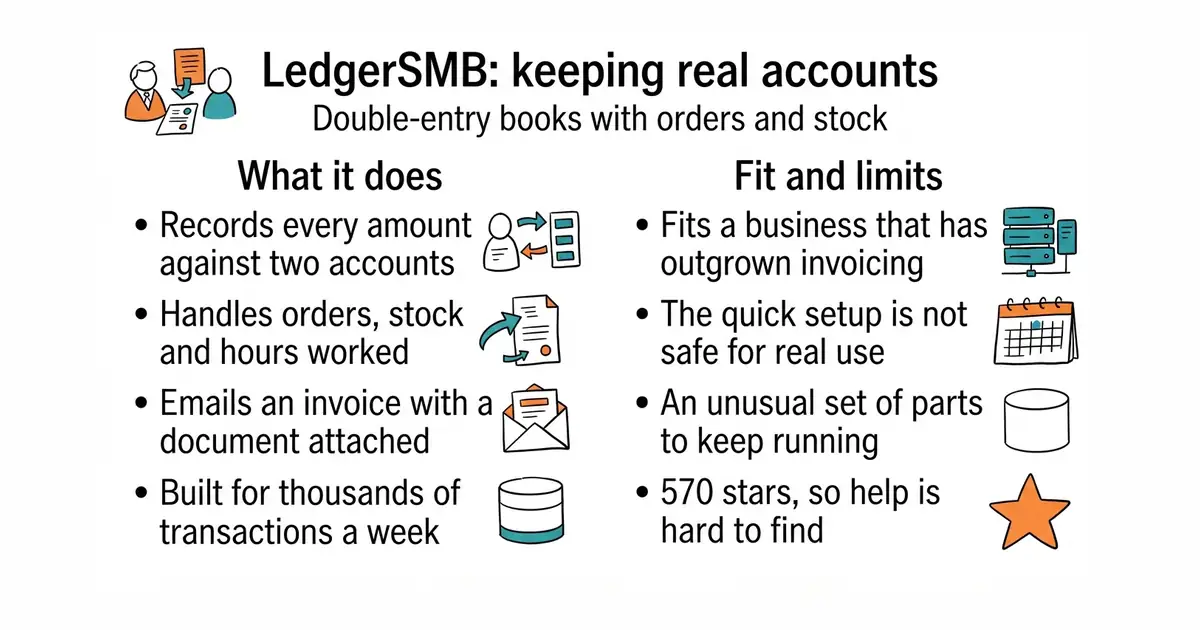
You keep accounts in the double-entry way, where every transaction is recorded against two accounts. Around that it adds the things a small business actually does: quotations, orders, invoices, projects, timecards for hours worked, stock management and shipping. It can send orders and invoices to customers by email with a PDF attached, and requests for quotation to suppliers. Everything customers see comes from templates, and the output formats are PDF, CSV, HTML and the open office document format. The data lives in PostgreSQL. The project states what size of business it is for: thousands of transactions a week. The stable release is 1.13.8, from 11 September 2026, and code landed on 12 October 2026. Version 1.14 is in development and asks for Perl 5.38 or newer and PostgreSQL 14 or newer. What it does not do is run well without a web server in front of it. The project says so plainly, and also says that the Docker Compose quick start is not enough for real use because it has no secure connections.
Why it matters
Who it suits. A small business that has outgrown invoicing software and needs real accounts, with an accountant who will ask for a trial balance rather than a list of payments. It fits best where somebody is comfortable with PostgreSQL, because the database is where the data really lives and the installation assumes you know that. Skip it if you only send invoices, because entry 7 above does that with a fraction of the setup, and skip it if a modern interface matters to you.
Verdict. The most capable free accounting system in today's twelve and the least fashionable, and 570 stars understates it badly. Two things give the real picture of its health. Its supported-browser table lists current browser versions, which means somebody is testing it against today's browsers rather than 2019's. And the README contains a warning that is unusual and worth repeating: do not use unofficial or AI-generated Docker Compose examples, only the project's own. Weigh the stack honestly — Perl 5.38, PostgreSQL 14, and a web server for anything real. frappe/books at 5,000 stars is the friendlier choice for a small business wanting double-entry accounting with a modern interface and offline use, under AGPL-3.0, and Edition 29 covered it. gnucash/gnucash at 4,300 stars is the desktop answer for one person keeping books on their own machine, and Edition 40 covered it. This is the one to pick when several people need the same accounts at once and the business also has orders and stock.
- Real double-entry accounting, plus ordering, stock, timecards and shipping in one system.
- Invoices and orders go out by email with a PDF attached, and templates control every customer-facing document.
- The project states the size of business it is built for, which almost nothing else here does.
- Perl 5.38 and PostgreSQL 14 for the development version, which is an unusual stack to maintain.
- The published Docker Compose quick start has no secure connections and is not for production.
- 570 stars, so searching for help with a specific problem will mostly find the project's own documentation.
 frappe/books
Double-entry accounting for a small business with a modern interface and offline use, at 5,000 stars, under AGPL-3.0; Edition 29 covered it.
Track this in Scout gnucash/gnucash
Desktop double-entry accounting for one person, at 4,300 stars, with no licence named in its sidebar; Edition 40 covered it.
Track this in Scout
wget https://raw.githubusercontent.com/ledgersmb/ledgersmb-docker/1.13/docker-compose.yml
docker-compose up -d

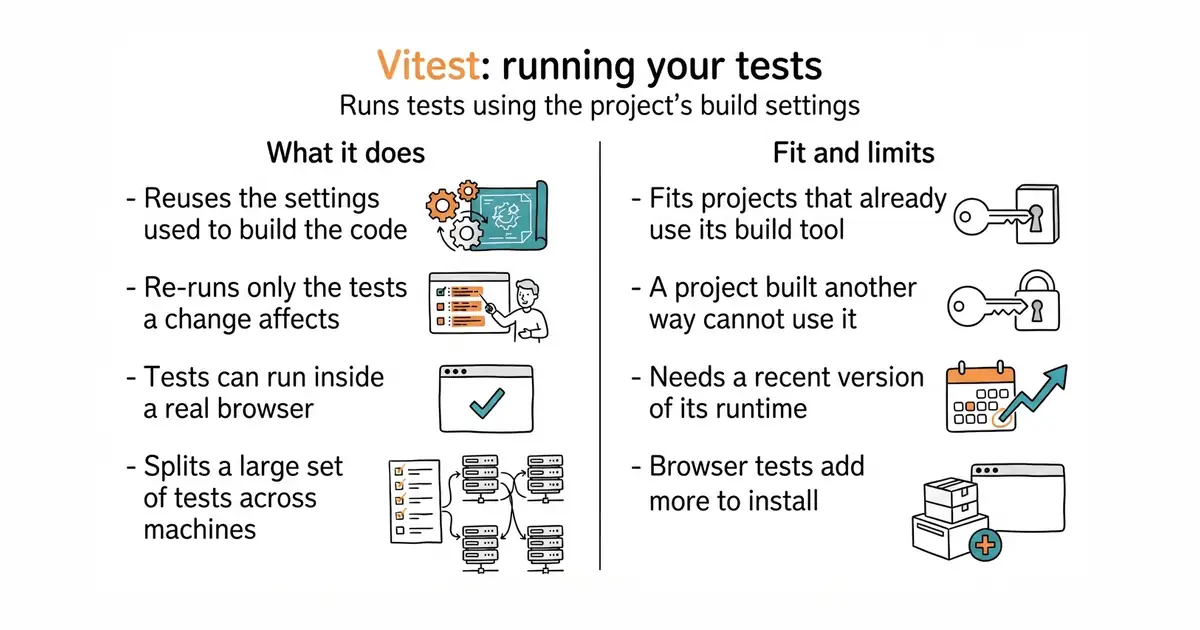
17,204 stars · MIT, from the About sidebar on 2026-10-14; the footer credits VoidZero Inc. and Vitest contributors · v5.0.4 (2026-10-12), read from /releases/latest and confirmed independently on registry.npmjs.org/vitest/latest, which also reports 5.0.4 · Track this in Scout · Share this tool
A test runner for JavaScript and TypeScript that reuses a project's existing Vite build settings.
▶Repo detailsthe review · specs · pros & cons · install
What it does
You add it to a project and run it. It reads the build settings the project already has, including the plugins and the rules for finding files, so tests see the code the same way the application does. It watches files and re-runs only the affected tests while you work. Measurements of how much code the tests covered come from two different engines, so you can pick. For code that expects a browser, it can either pretend to be one, with two implementations to choose from, or run the tests in a real browser. It records expected output as snapshots, replaces parts of the program with stand-ins, and accepts the same assertions as the long-established alternative, which is what makes moving to it cheap. It also measures speed, splits a large suite across machines, and handles TypeScript and JSX without extra setup. The newest release is v5.0.4, from 12 October 2026, confirmed on the public package registry, and code landed the same day, from 6,137 commits. What it requires is the thing to check first: Vite 6.4.0 or newer and Node 22.12.0 or newer. A project that does not use Vite has to adopt it before this is an option.
Why it matters
Who it suits. Any JavaScript or TypeScript project already built with Vite, where tests are slow or the test setup has drifted away from the build setup. The shared configuration is the whole point: one set of rules for building and testing means a test cannot pass against code the application would never load. Skip it if the project is built another way, because the requirement is hard, and skip it if the existing test setup is fast and nobody is complaining.
Verdict. The obvious choice for a Vite project and not an option at all for anything else, which makes this a short decision rather than a difficult one. The version requirements are strict and recent — Node 22.12.0 is the floor — so an older project may have to move forward before it can move across. Two features are worth the look even on a project with working tests: running component tests inside a real browser rather than a pretend one, and splitting a large suite across several machines. jestjs/jest at 45,500 stars is the long-standing alternative and the right answer for a project that is not built with Vite, under an MIT licence; the assertions are compatible in both directions, which is why moving between them is a small job. mochajs/mocha at 22,900 stars is the older, smaller runner that leaves the assertions and the stand-ins to you, which suits people who would rather assemble their own tools.
- One set of settings for building and testing, so tests see exactly what the application sees.
- Component tests can run in a real browser, not only in a pretend one.
- Accepts the same assertions as the established alternative, so moving an existing suite is a small job.
- Requires Vite 6.4.0 or newer, so a project built another way cannot use it at all.
- Requires Node 22.12.0 or newer, which is a recent floor for an older project.
- Browser-mode testing adds a browser to the test environment, which is more to install in a build pipeline.
- jestjs/jest
The long-standing JavaScript test framework that works with almost any project, at 45,500 stars, under an MIT licence.
Track this in Scout - mochajs/mocha
An older, smaller test runner that leaves assertions and stand-ins to you, at 22,900 stars, under an MIT licence.
Track this in Scout
npm install -D vitest
npx vitest

54,454 stars · MIT, from the About sidebar on 2026-10-14 · v0.13.1 (2025-03-29) — NINETEEN MONTHS OLD, and the year matters. The GitHub release page printed '29 Mar' with no year, which the yearless-date rule would read as March 2026; ungh's releases/latest endpoint gives publishedAt 2025-03-29T15:29:08Z, a full year earlier. The mirror's reading is the one recorded · Track this in Scout · Share this tool
Opens a container image layer by layer and reports which files are wasting space inside it.
▶Repo detailsthe review · specs · pros & cons · install
What it does
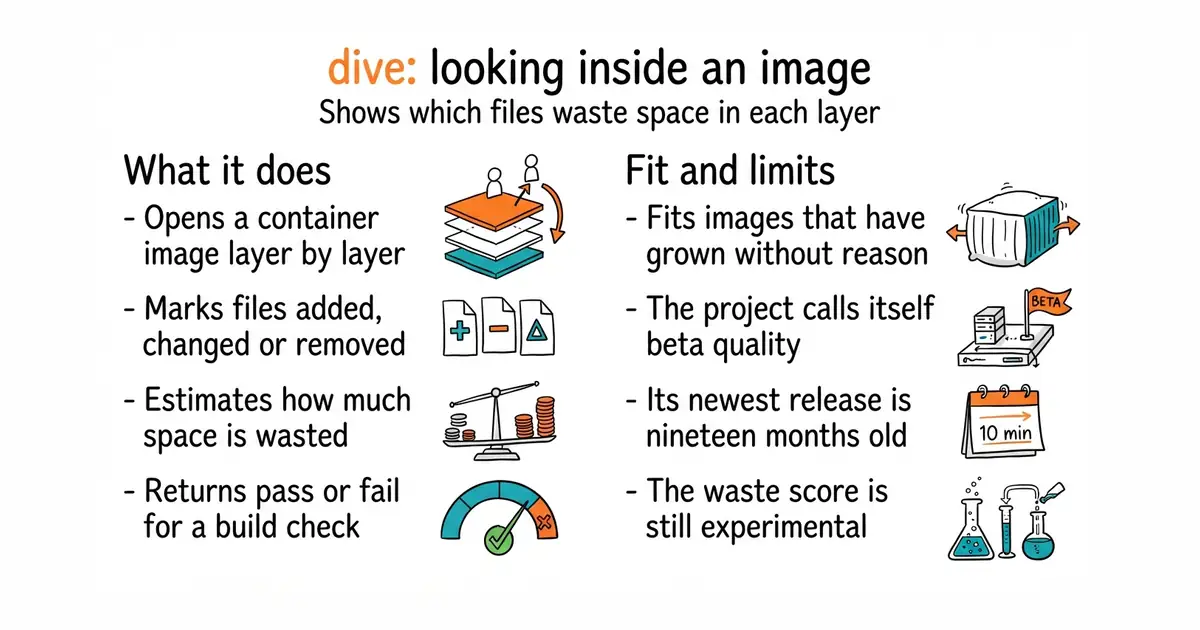
You run it with the name of an image. It shows a file tree on one side and the layers on the other, and the arrow keys move between them. For each layer it marks which files were added, changed or removed, and it can show those marks for one layer or for everything up to that point. It then estimates an efficiency score as a percentage, together with the total space wasted by files that were written and later replaced or deleted. The project calls that score experimental. It can also build an image and analyse it in one command. Images can be read from the Docker engine, from an image saved as a file, or from Podman on Linux. The useful part for a build pipeline is that setting one environment variable makes it skip the interface and return a pass or fail instead, with the rules in a small file: a minimum efficiency score, a maximum number of wasted bytes, and a maximum share of waste excluding the base image. The values shown in the documentation are examples, not defaults, so you have to choose them. What the project says plainly is that this is beta quality, and that the efficiency score is experimental.
Why it matters
Who it suits. Anyone whose container images have grown and who does not know which step made them grow. It pays for itself the first time, because the usual cause is a single layer that installs build tools and a later layer that deletes them, which saves nothing at all. The pass-or-fail mode suits a team that wants image size to stop growing rather than to be measured once. Skip it if your images are already small and built from a minimal base, because there will be nothing to find.
Verdict. Ten minutes for a clear answer to a question most people guess at, and the first run on a long-lived image is usually surprising. Two cautions. The project describes itself as beta quality at 54,454 stars, which is unusual honesty and worth believing: expect rough edges, especially around non-standard container setups, where the documentation lists environment variables you may have to set. And the dates need stating plainly, because they are easy to read wrongly. Its newest release is v0.13.1 from 29 March 2025, which is nineteen months ago, while the last code change was 15 December 2025, ten months ago. So the release information is old and the code is not: this is a slow project, not a dead one. jesseduffield/lazydocker at 52,500 stars is the companion rather than the competitor, giving a terminal view of running containers, logs and resource use, under an MIT licence. anchore/syft at 9,700 stars answers the other question about the same image: not what is wasting space, but exactly which software versions are inside it, under Apache-2.0.
- One command on an image already on the machine, with nothing to configure first.
- It names the files wasting space, rather than only reporting that the image is large.
- A pass-or-fail mode with rules in a file, so image size can be checked automatically on every build.
- The project calls itself beta quality and the efficiency score experimental.
- The newest release is from March 2025, nineteen months ago, although code landed in December 2025.
- Podman support is Linux only, and some container setups need environment variables set by hand.
- jesseduffield/lazydocker
A terminal view of running containers, their logs and their resource use, at 52,500 stars, under an MIT licence.
Track this in Scout  anchore/syft
Lists exactly which software and versions are inside an image, at 9,700 stars, under Apache-2.0.
Track this in Scout
brew install dive
sudo apt install ./dive_0.13.1_linux_amd64.deb
choco install dive
scoop install dive
go install github.com/wagoodman/dive@latest

29,759 stars · MIT, from the README and the About sidebar on 2026-10-14, with an ee/ directory holding premium enterprise features that require an Infisical licence · v0.166.6 (2026-10-13), read from /releases/latest the day after publication, with ungh pushedAt 2026-10-14 confirming the year · Track this in Scout · Share this tool
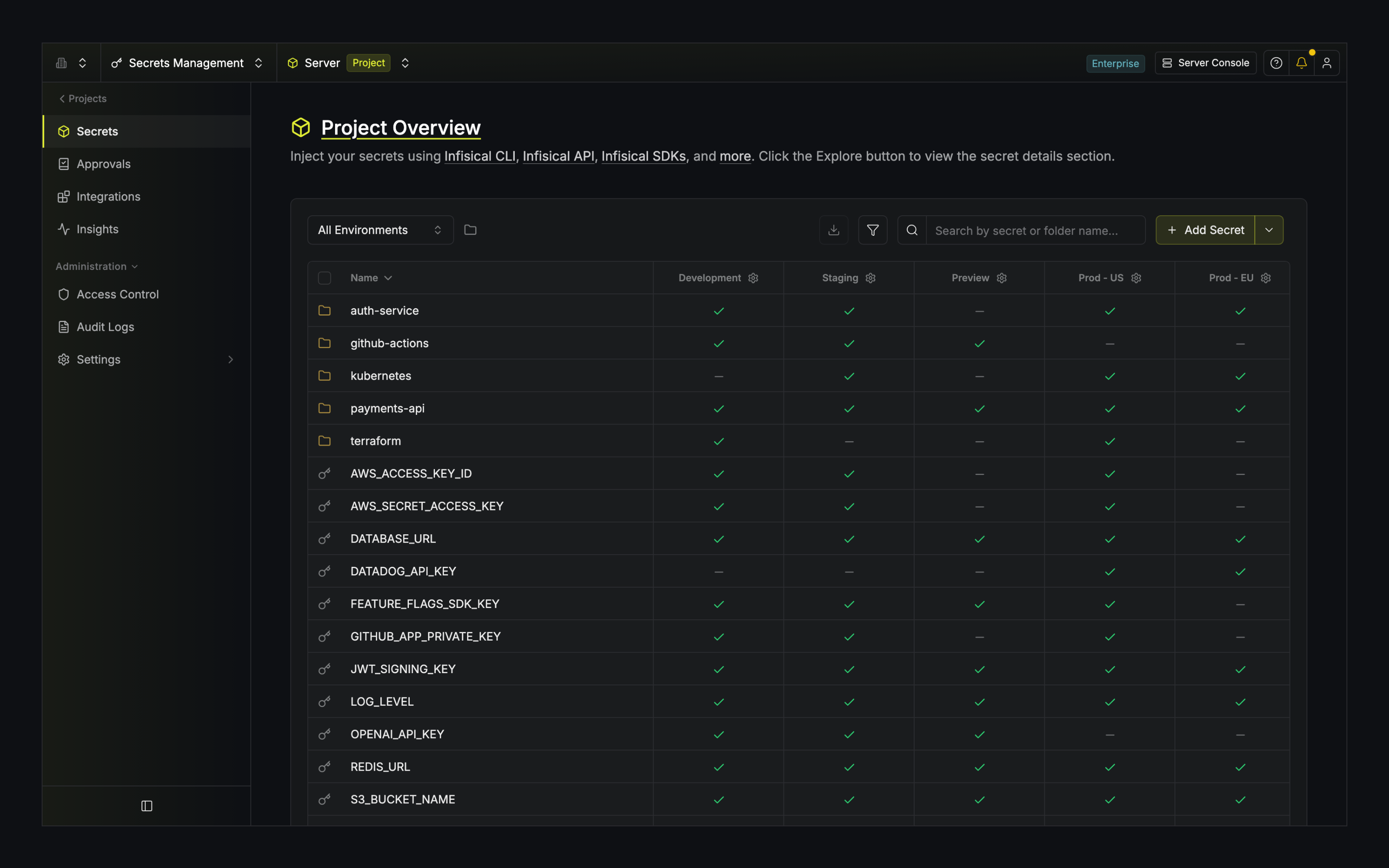
A self-hosted store for passwords, keys and certificates, with versioning, scheduled rotation and short-lived access.
▶Repo detailsthe review · specs · pros & cons · install
What it does
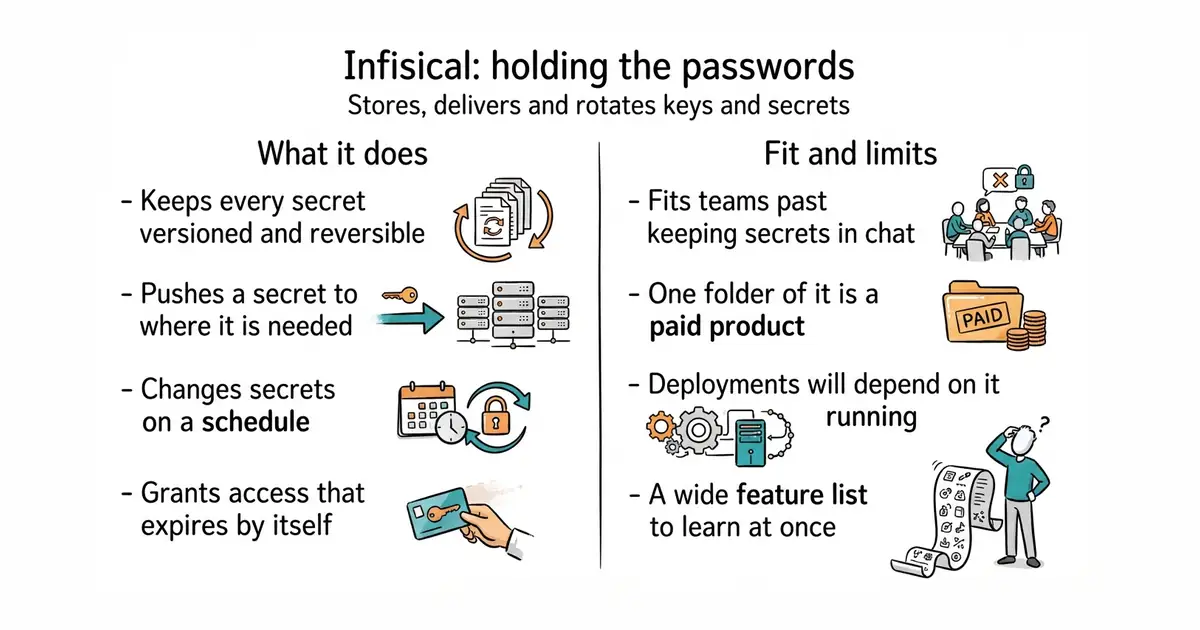
You put secrets in it, organised by project and environment. From there it pushes them where they are needed, with published connections to code hosting, hosting providers and cloud accounts, so a changed password does not have to be copied by hand. Every secret is versioned, so a bad change can be rolled back to a known point. It can rotate secrets on a schedule and create short-lived ones that expire by themselves. A Kubernetes component and a separate agent inject secrets into running programs, so nothing has to read a file. Beyond secrets it manages certificates, with its own certificate authority or an external one, several enrolment methods, and code signing. It manages encryption keys. It also grants temporary access to systems such as PostgreSQL, SSH and Kubernetes, records the sessions, and rotates the credentials afterwards. Its command-line tool scans for over 140 kinds of secret, which is how you find the ones already committed. The newest release is v0.166.6, from 13 October 2026, and code landed today, from 29,254 commits. What is not in the free part is the ee folder, which holds paid features and needs a licence key, and the self-hosted enterprise offering, which the project asks you to arrange by meeting.
Why it matters
Who it suits. Any team past the point where secrets live in a chat history, and especially any team with a compliance question to answer about who can reach what. The scanning tool is useful even to people who adopt nothing else, because it finds keys already committed to a repository. The temporary-access part suits anyone who has given out a database password that was never changed afterwards. Skip it if one person runs everything and a password manager already covers it, because this is a service to operate.
Verdict. The most actively developed project in today's twelve, with a release yesterday and code today, and the thing to read carefully is the licence boundary rather than the feature list. MIT with a carved-out ee folder means running it free is fine and the paid features are visible in the repository, which is clearer than most arrangements of this kind. What the project does not publish is a plain list of which features are enterprise-only, so check that before building a plan around any single one. Size it generously: a secrets store that is unavailable stops deployments, so this is the kind of service to run with a backup and a restore you have tested. getsops/sops at 23,300 stars is the much simpler alternative under MPL-2.0 and solves a narrower problem well: it encrypts files in place so secrets can be stored in a repository, with no service to run at all. dani-garcia/vaultwarden at 67,400 stars is the choice when the secrets belong to people rather than to programs, and Edition 29 covered it.
- Secrets are versioned and can be rolled back, rotated on a schedule, or created with an expiry.
- Connections to code hosting, hosting providers and cloud accounts, so a changed secret does not get copied by hand.
- A scanning tool that recognises over 140 kinds of secret, useful even without adopting the rest.
- The
eefolder is a paid product, and the project does not publish a plain list of what it contains. - It is a service your deployments depend on, so it needs a tested backup before anything relies on it.
- The feature list spans secrets, certificates, keys and access control, which is a lot to learn at once.
 getsops/sops
Encrypts secrets inside files so they can live in a repository, with no service to run, at 23,300 stars, under MPL-2.0.
Track this in Scout dani-garcia/vaultwarden
A self-hosted password manager for people rather than programs, at 67,400 stars, under AGPL-3.0; Edition 29 covered it.
Track this in Scout
git clone https://github.com/Infisical/infisical.git
cd infisical
cp .env.example .env
docker compose -f docker-compose.prod.yml up
Checked, and left out
Nothing to show for this edition. Recording the repositories that were checked and rejected began with Edition No. 4, and every edition from there on has the list.
Know a repository we should check?
Coming tomorrow