21.6k stars · Apache-2.0 · v4.7.3 (2026-10-13), read from /releases/latest, which prints the full date in the heading · Track this in Scout
A database of what a network and its hardware are supposed to look like, which other programs can read.
▶Repo detailsthe review · specs · pros & cons · install
What it does
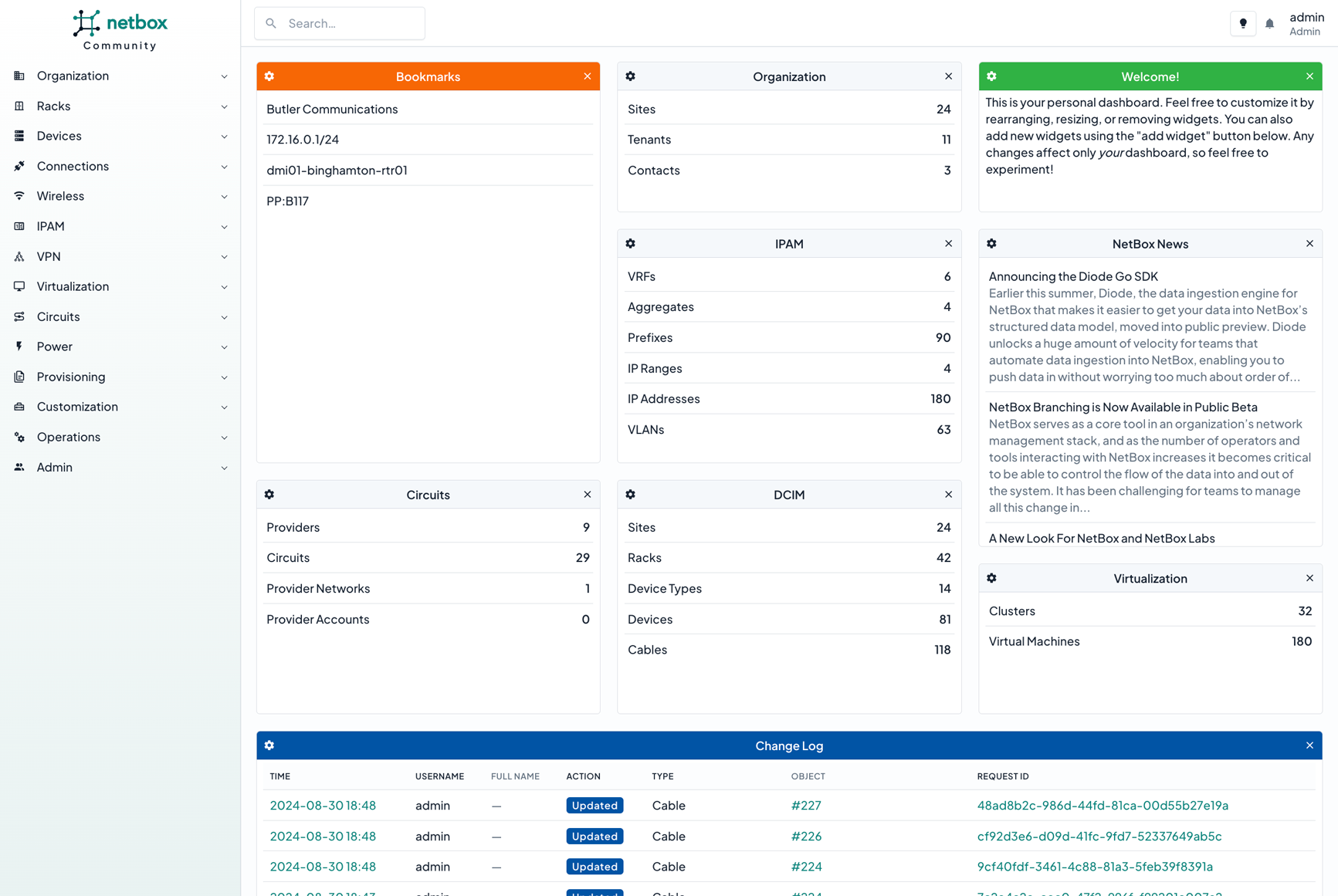
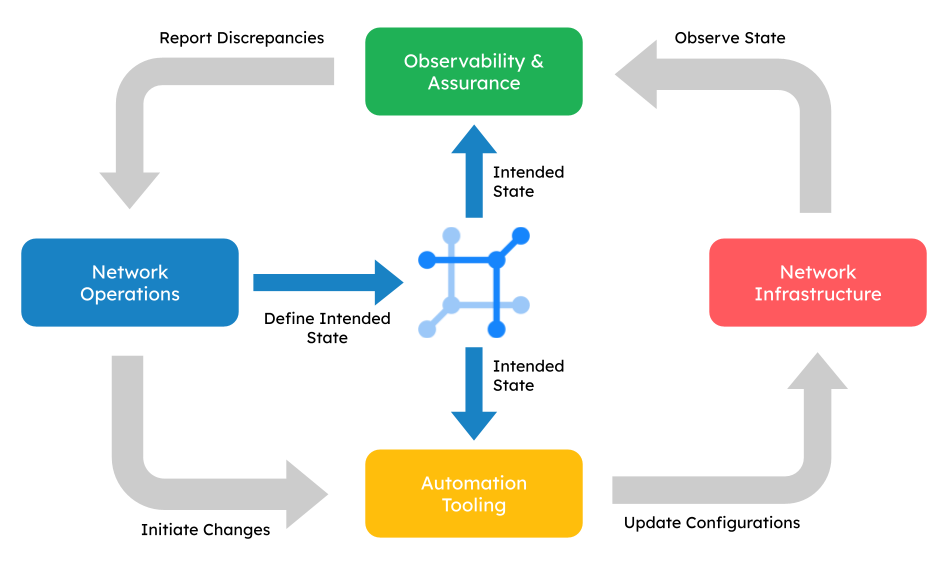
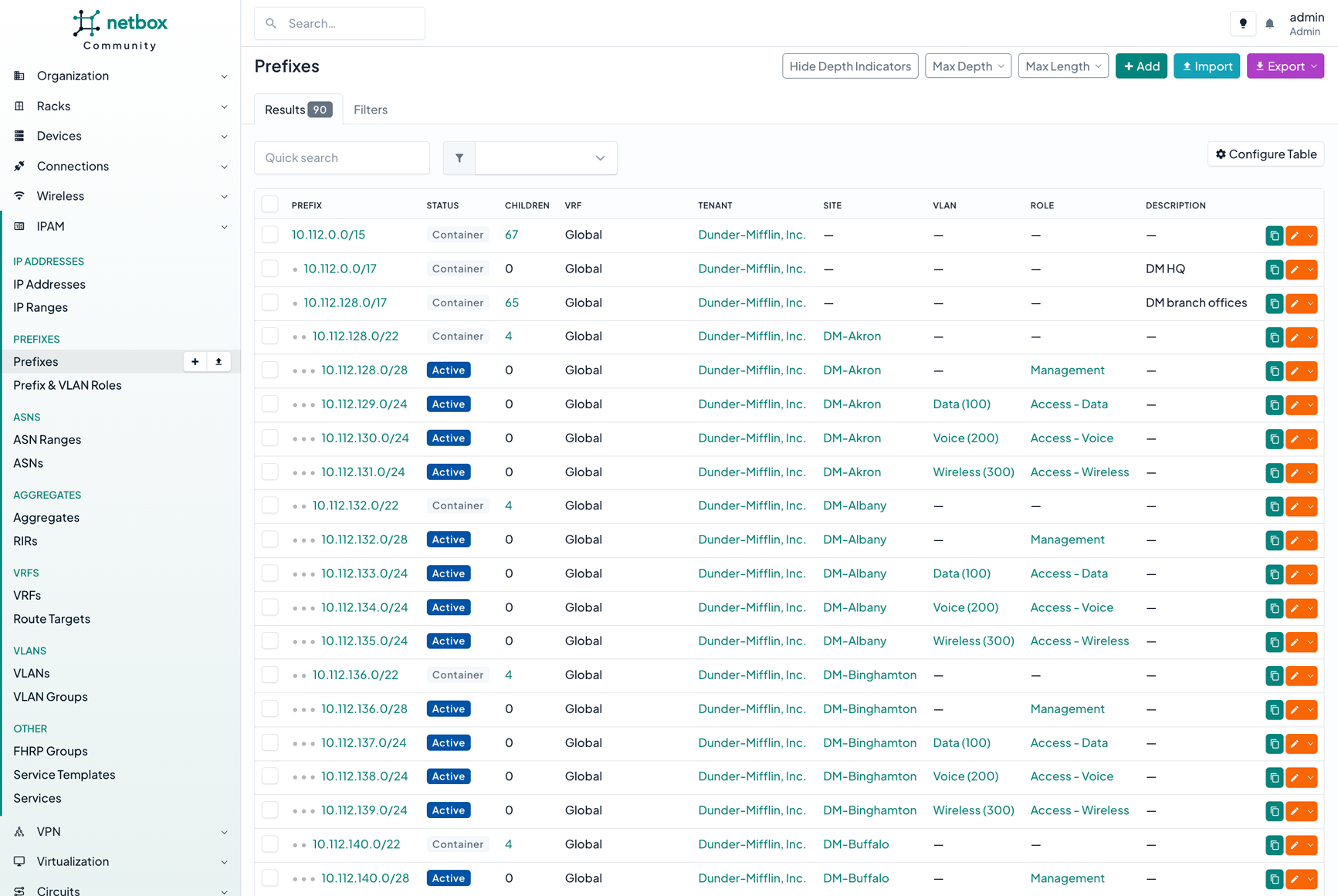
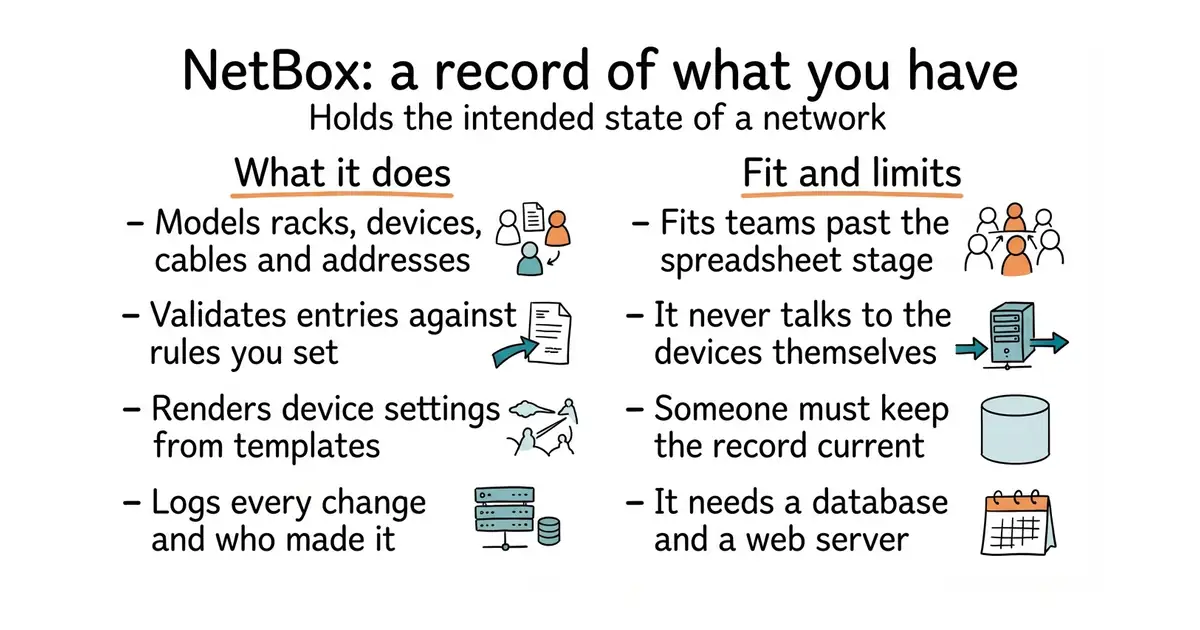
NetBox models racks, devices, cables, IP addresses, VLANs, circuits, power feeds and VPNs, in one interlinked data model that works as soon as it is installed. You edit it through a web interface or load it through an API, which is a way for other programs to read and write the same data. It validates what you enter against rules you set, renders device configuration files from Jinja2 templates, runs custom scripts, fires webhooks when something changes, and keeps a log of every change and who made it. The current release is v4.7.3, from 13 October 2026, under the Apache-2.0 licence. The project is clear about one limit: NetBox never talks to the devices themselves. It holds the intended state and hands it to the automation and monitoring tools that do the talking.
Why it matters
Who it suits. Teams past the point where a spreadsheet of IP addresses still works — typically a few dozen machines, more than one site, or a network somebody inherited. It also suits anyone writing automation scripts who keeps hard-coding addresses into them. Skip it if you run three servers and know all three by name; the record would cost more than it saves.
Verdict. A real commitment rather than an afternoon, and worth it only where somebody owns keeping it current. A source of truth that nobody updates is worse than no source of truth, because scripts believe it. Start by importing one thing you already maintain by hand, usually the IP addresses, and let it earn the rest. It overlaps nothing else in the radar's archive, which is part of why it is here: the nearest neighbours are IT asset trackers such as snipe/snipe-it and glpi-project/glpi, and both answer a different question.
- A rich model that already knows what a rack, a cable and a VLAN are, so there is nothing to design first.
- A proper API and GraphQL interface, so scripts can read the record instead of guessing.
- Apache-2.0, with releases arriving steadily and the newest four days old.
- It needs PostgreSQL, Redis and a Python application behind a web server; the supported route is a container stack, not a single file.
- It is only as good as the person keeping it current, and that person has to be named.
- It does nothing on its own: without tools that read from it, it is a very tidy spreadsheet.
- snipe/snipe-it
Asset tracking for who has which laptop and which software licence, AGPL-3.0, with no model of networks or addresses.
Track this in Scout - glpi-project/glpi
IT asset management with a help desk attached, GPL-3.0, aimed at support tickets and licence audits rather than network design.
Track this in Scout
git clone -b release https://github.com/netbox-community/netbox-docker.git
cd netbox-docker
cp docker-compose.override.yml.example docker-compose.override.yml
docker compose pull
docker compose up