39,940 stars · GPL-3.0 from the repository sidebar, for the Community Edition. Two paid editions sit above it — Professional and Mall — so the project is open-core in practice. · v2.26.1, the release page reading '01 Sep 08:03' with no year and taken as 2026-09-01 because that date is in the past; ungh.cc gives pushedAt 2026-10-13, the morning of the run, so the project is plainly current. · Track this in Scout
A self-hosted website and blog platform with a marketplace of themes and plugins, written in Java.
▶Repo detailsthe review · specs · pros & cons · install
What it does
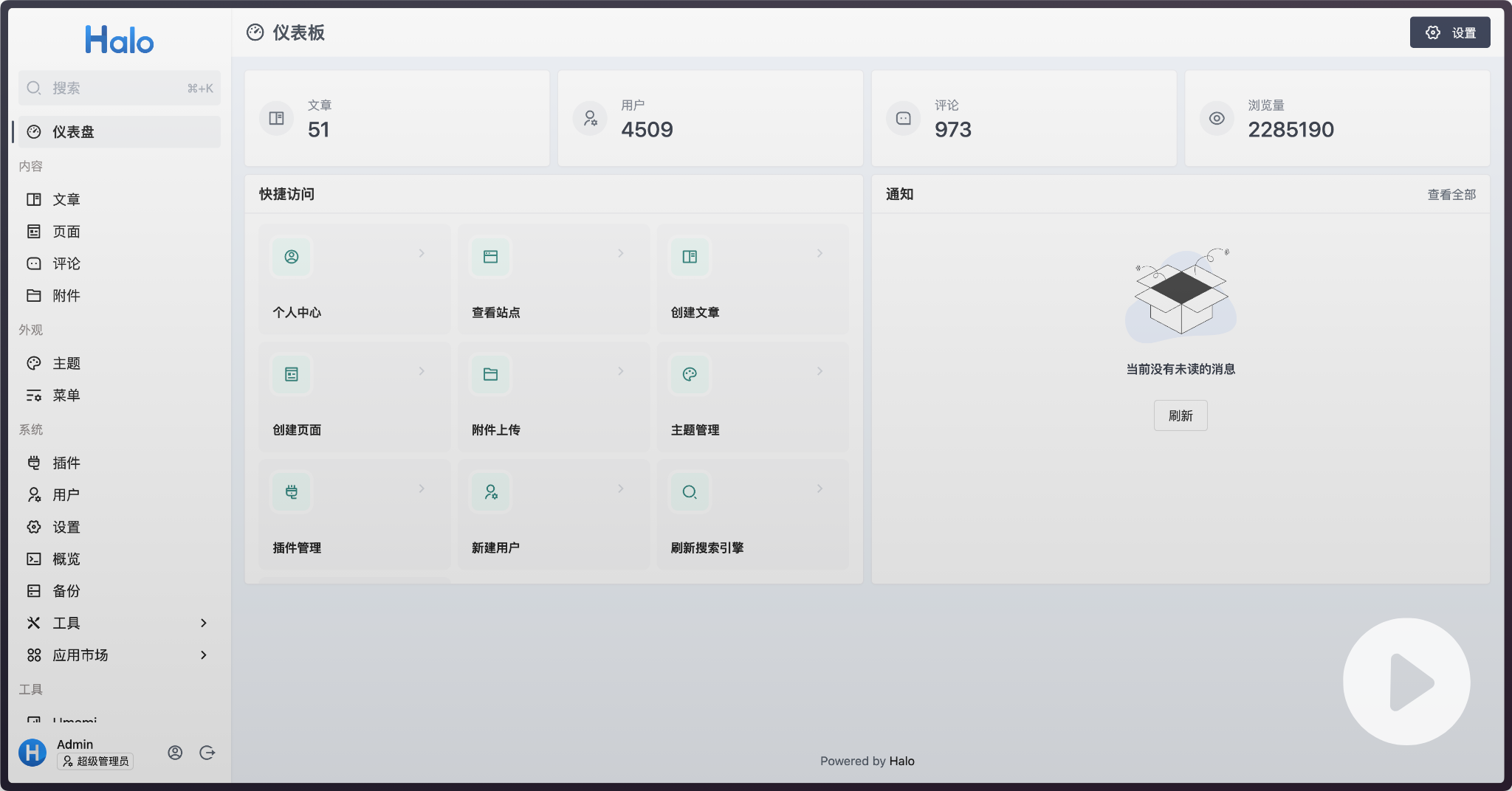
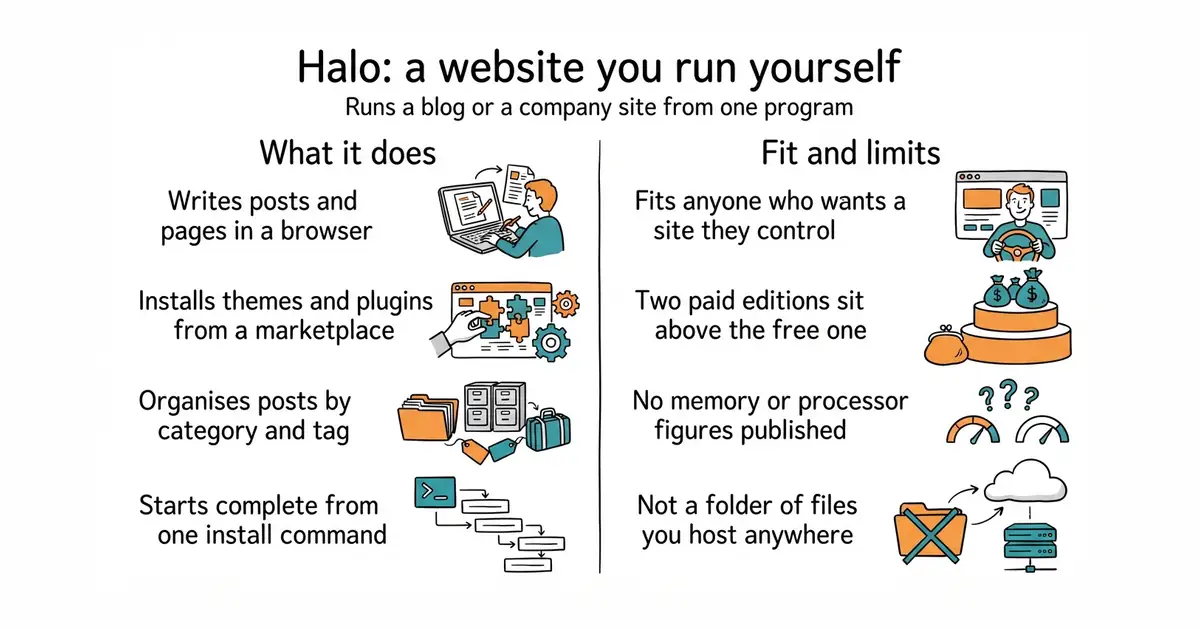
You install it, open it in a browser and create the first account. From there you write posts and pages in an editor, organise them into categories and tags, and manage comments. Themes and plugins come from the project's own marketplace, and developers can publish their own. The free Community Edition is the one in this repository, under GPLv3. Two paid editions sit above it: a Professional Edition adding a mobile application, assisted site building, login by telephone number and a paid theme and plugin marketplace, and a Mall Edition adding products, orders and payment through Chinese payment providers. The newest release is v2.26.1, from 1 September 2026, and code landed this morning. What it does not do is produce a folder of files you can host anywhere; this is a running program with a database behind it, not a site generator. Its own README also publishes no memory or processor figures, so you cannot size a machine from the documentation.
Why it matters
Who it suits. Anyone who wants a website they control, who prefers writing in a browser window to writing in files, and who is comfortable keeping one program updated on a machine. It suits a knowledge base or a company site as well as a blog, because the plugin marketplace covers more than posts. Skip it if you want the site to be plain files served from anywhere, because a static site generator will cost you less to run and nothing to patch.
Verdict. A solid, well-kept platform with an unusual amount of activity behind it, and the paid editions are the thing to understand before adopting it. The split is clearly drawn — the free edition is a complete blog and site platform, and the paid ones add commerce and convenience — but it does mean the roadmap is partly a commercial one. TryGhost/Ghost at 55,528 stars is the closer comparison for a publication with paid subscribers, and it is the better choice if memberships and newsletters are the point. wagtail/wagtail at 20,433 stars is the choice when the site has to be built by developers around a content model. Two practical notes: the README is written in Chinese first, so the English documentation site is the place to start, and the Docker command on the page is labelled as being for trying it out rather than for running it.
- One command starts a complete working site, with nothing else to install first.
- Themes and plugins install from inside the program, so a non-programmer can change the site.
- Very actively maintained, with code landing on the day this was checked.
- Two paid editions sit above the free one, so some features will always be behind a price.
- The README is Chinese first, and the deployment it recommends uses a server panel that is also a separate product.
- No memory or processor figures are published anywhere, and it is a Java program with a database, so expect a real machine rather than the smallest one.
 TryGhost/Ghost
The same job aimed at publications with paid members and newsletters, at 55,528 stars, with code on 13 October 2026.
Track this in Scout- wagtail/wagtail
A content management system built into a Python web framework, at 20,433 stars, with code on 7 August 2026; for sites a developer assembles rather than installs.
Track this in Scout
docker run -d --name halo -p 8090:8090 -v ~/.halo2:/root/.halo2 halohub/halo:2.26