
Edition No. 29 · 23 Sep 2026
Twelve repositories for keeping your own copy
An AI agent with 54,000 stars changed owners without announcing it, and a licence GitHub calls Apache-2.0 turns out to say something else.
Wednesday, 23 September 2026. A daily review of open-source software on GitHub. Twelve repositories, opened and checked this morning.
We aim for twelve every day. Some candidates fall out while we check them — those are listed at the end, with the reason.
Three things worth knowing, separate from the recommendations
One. The AI agent published at block/goose is now published at aaif-goose/goose. The repository was created on the same day, carries the same description and the same 54,000 stars, and the old address still redirects. Its own page says it is maintained under the Agentic AI Foundation at the Linux Foundation. The move was found because the install command in the project's own README points at the new owner while the old address still works.
Two. GitHub's sidebar says lobehub/lobehub is Apache-2.0. Its LICENSE file says something else: the "LobeHub Community License", which is Apache 2.0 with conditions added. You may run it commercially as it comes. You may not develop and distribute a modified version without buying a licence from the company. Edition 23 found the same shape on Open WebUI. The sidebar is a summary, and a summary is not the terms.
Three. Five of today's twelve had a release date that the page-reading step got wrong, and every single error made the project look older than it is. Three were wrong by exactly two years. The details are in the appendix, because the method matters more than the mistakes.
If you only do three things
- sachaos/viddy (#9) — five minutes to install. It runs a command over and over and shows you what changed, and it keeps every past run so you can scroll back through them. It replaces a habit of typing the same command twenty times.
- zk-org/zk (#4) — twenty minutes, on plain text files that already exist. It turns a folder of notes into something you can search, link and filter, without moving anything into an app.
- wal-g/wal-g (#2) — one evening. If a database is running somewhere and nobody has ever tested restoring it, this is the tool that makes the restore real rather than hoped for. It covers PostgreSQL, MySQL and SQL Server from one command.
Every link in one place
| # | Repository | Official site | Stars | Licence |
|---|---|---|---|---|
| 1 | dani-garcia/vaultwarden | vaultwarden.net | 67.4k | AGPL-3.0 |
| 2 | wal-g/wal-g | — | 4,247 | Apache-2.0 |
| 3 | frappe/books | frappe.io/books | 4,947 | AGPL-3.0 |
| 4 | zk-org/zk | zk-org.github.io/zk | 2,743 💎 | GPL-3.0 |
| 5 | lobehub/lobehub | lobehub.com | 82.8k | LobeHub Community License |
| 6 | aaif-goose/goose | goose-docs.ai | 54.3k | Apache-2.0 |
| 7 | freqtrade/freqtrade | freqtrade.io | 54.6k | GPL-3.0 |
| 8 | AnswerDotAI/rerankers | — | 1,634 💎 | Apache-2.0 |
| 9 | sachaos/viddy | — | 5,405 | MIT |
| 10 | NotJoeMartinez/yt-fts | — | 1,810 💎 | Unlicense |
| 11 | observablehq/plot | observablehq.com/plot | 5,383 | ISC |
| 12 | catppuccin/catppuccin | catppuccin.com | 19,789 | MIT |
Block's AI agent has moved to the Linux Foundation
Twelve repositories, checked and reviewed. Every version verified against the GitHub API and dated.

67.4k stars · AGPL-3.0 · 1.37.3 (2026-09-13, from GitHub's own /releases/latest). ungh's cached latest is 1.37.0 of 2026-07-24 · Track this in Scout
A password server that the official Bitwarden apps connect to, small enough to run on the cheapest machine you can rent.
▶Repo detailsthe review · specs · pros & cons · install
What it is
Vaultwarden is a rewrite of the Bitwarden server in Rust, by a separate group of people. It speaks the same language as the official Bitwarden clients, so the same apps, add-ons and command-line tool work against it without modification.
What it is good for. Anyone who wants a shared password store and does not want a monthly bill per person. A family of five, a team of eight, a person who simply prefers to hold their own copy. It is also for anyone who wants the paid Bitwarden features — file attachments, two-factor login, organisations — without the paid plan, because Vaultwarden turns them all on. The official server needs a few gigabytes of memory; this one runs in a few hundred megabytes.
- The clients are the official ones, so you are not trusting a second-rate app with your passwords.
- Very small. It runs happily alongside other things on a machine with 1 GB of memory.
- Actively maintained with a serious attitude to security: release 1.37.0 in July 2026 fixed eight medium-severity holes and was marked mandatory.
- AGPL-3.0 (a licence that requires you to publish your changes if you offer the modified version to other people over a network). Fine for private use, a real constraint if you want to build a product on it.
- It is not the official server and the Bitwarden company does not support it. If something goes wrong, the people who can help are volunteers.
- It will not work over plain HTTP. Browsers refuse the encryption functions without a proper certificate, so you need a domain name and HTTPS before anything works at all. This catches almost everyone once.
- bitwarden/server
The official server from the company, using the same clients, but far heavier to run and with the paid features behind a plan.
Track this in Scout - keepassxreboot/keepassxc
A desktop password safe with no server at all; you sync the one encrypted file yourself.
Track this in Scout - passbolt/passbolt_api
A team-first password manager built around sharing rules rather than personal vaults.
Track this in Scout
docker run -d --name vaultwarden \
  -v /vw-data/:/data/ \
  -e DOMAIN="https://vault.example.com" \
  -p 8080:80 \
  vaultwarden/server:latest

4,247 stars · Apache-2.0, with GPL-3.0-or-later covering the optional LZO compression support · v3.0.9 (2026-08-20, ungh) · Track this in Scout
Backup and restore for several database systems, straight into cloud storage, able to rewind to any point in time.
▶Repo detailsthe review · specs · pros & cons · install
What it is
WAL-G is a backup tool written in Go. It supports PostgreSQL, Greenplum, MySQL and MariaDB, and Microsoft SQL Server, with MongoDB, Redis and FoundationDB marked as beta. It writes compressed, encrypted backups to S3, Azure, Google Cloud or a local folder.
What it is good for. Anyone running a database that holds something that cannot be retyped. The situation it fixes is the common one: a nightly dump into a folder, never tested, that turns out to be four months stale on the morning it is needed. WAL-G gives point-in-time recovery, which means restoring to 14:32 yesterday rather than to whenever the last dump happened to run. It suits a mixed estate especially well, because one tool covers PostgreSQL and MySQL rather than two tools with two sets of habits.
- Point-in-time recovery, so an accidental
DELETEat lunchtime does not cost the whole day. - Several database systems through one tool, one configuration style and one set of commands.
- Apache-2.0, and moving quickly: release v3.0.9, dated 20 August 2026, welcomed twenty-six first-time contributors and made the MySQL point-in-time image production-ready.
- It is a configuration file and a set of commands. There is no screen, no dashboard and no green tick. The documentation has to be read.
- The support is uneven. PostgreSQL is mature; MongoDB, Redis and FoundationDB are marked beta, and beta on a backup tool deserves the ordinary amount of suspicion.
- The licence is Apache-2.0, except that the optional LZO compression support is GPL-3.0-or-later. A prebuilt binary with LZO in it carries that condition, which matters if the tool is being redistributed inside something else.
 pgbackrest/pgbackrest
Edition 18 covered this one; PostgreSQL only, written in C, with stronger verification of its own backups and a longer track record.
Track this in Scout- pgmoneta/pgmoneta
A much smaller and newer PostgreSQL backup tool in C, 319 stars, with a lighter configuration and far less history behind it.
Track this in Scout - EnterpriseDB/barman
A Python backup manager for PostgreSQL with a stronger focus on managing many servers from one place.
Track this in Scout
curl -L -o wal-g.tar.gz \
  https://github.com/wal-g/wal-g/releases/download/v3.0.9/wal-g-pg-ubuntu-20.04-amd64.tar.gz
tar -xzf wal-g.tar.gz
sudo mv wal-g-pg-ubuntu-20.04-amd64 /usr/local/bin/wal-g
wal-g --version

4,947 stars · AGPL-3.0 · v0.36.0 (2025-11-06, ungh). GitHub's page read 'November 6, 2024' and was a year out · Track this in Scout
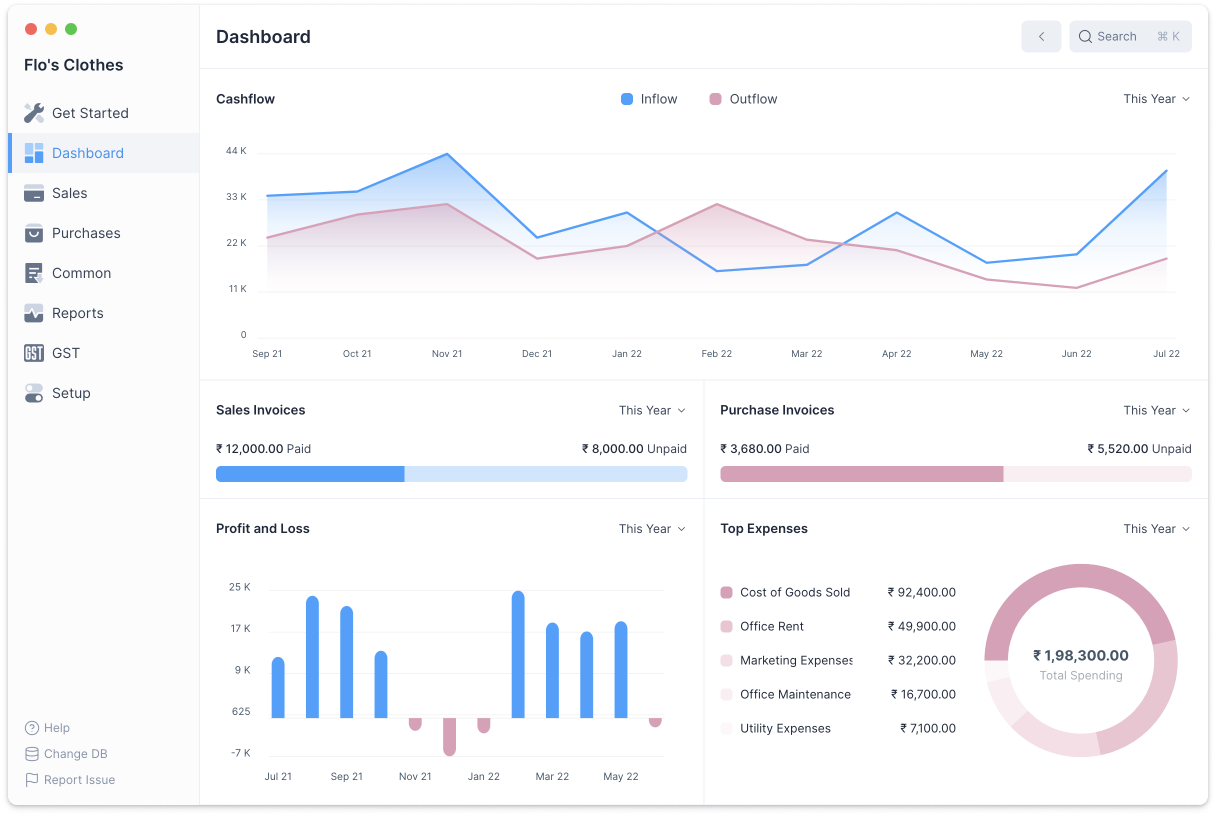
Free desktop accounting software with invoicing, ledgers and reports, from the makers of ERPNext.
▶Repo detailsthe review · specs · pros & cons · install
What it is
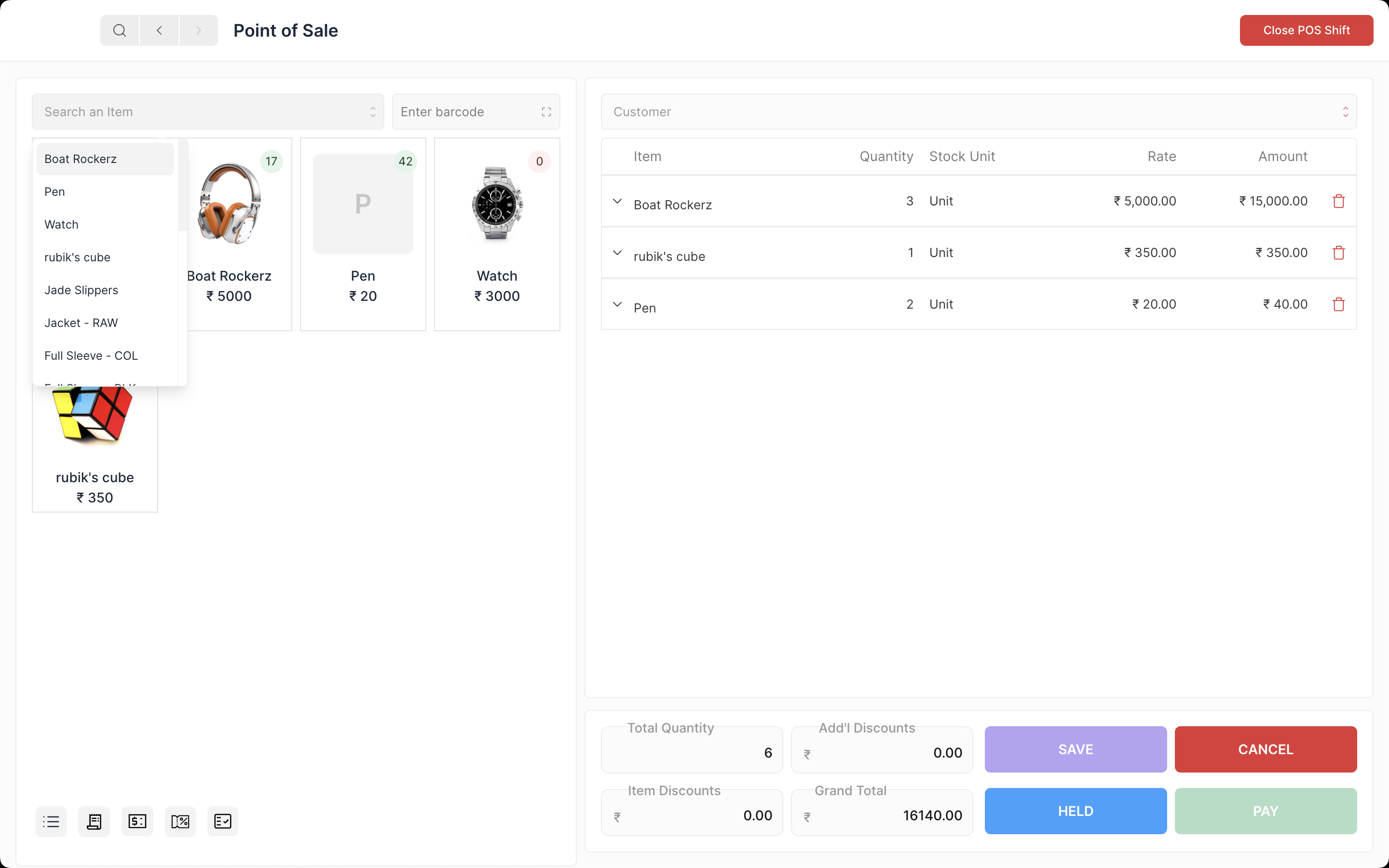
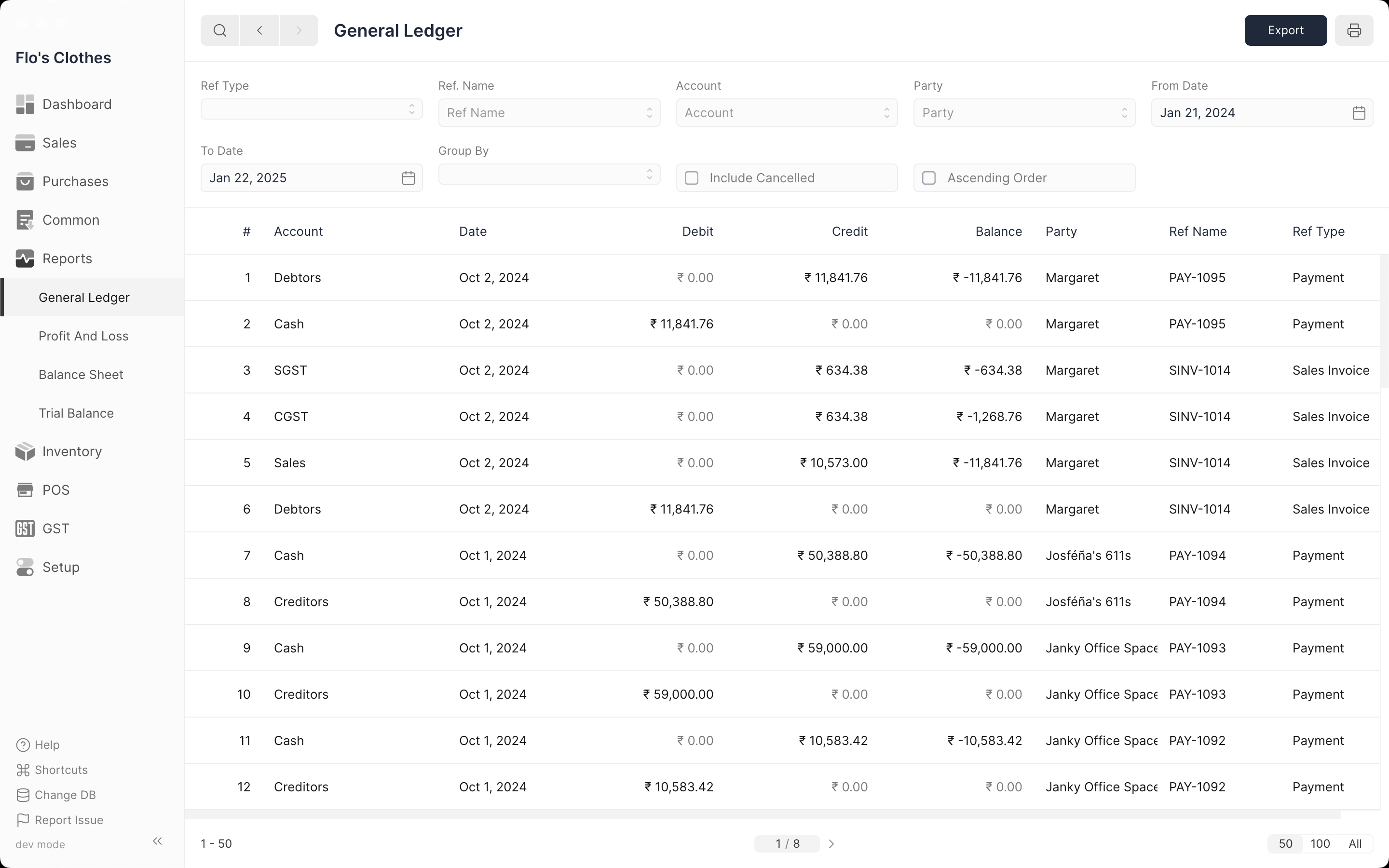
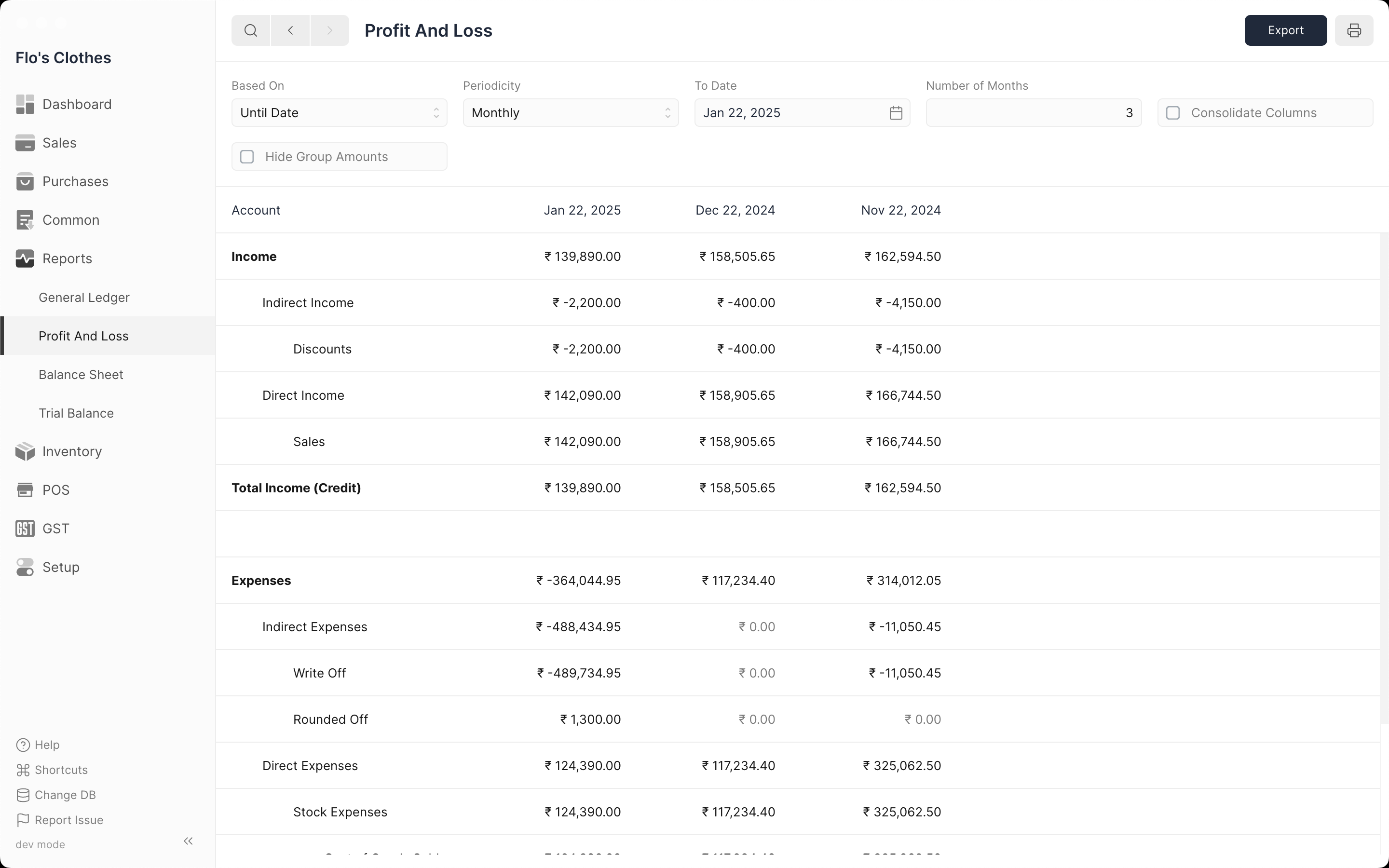
Frappe Books is a desktop application for macOS, Windows and Linux, built by the team behind the Frappe and ERPNext business software. It does double-entry bookkeeping, invoicing, stock, payments and the usual financial statements.
What it is good for. A freelancer or a small business that has outgrown a spreadsheet and does not want a subscription. It is also for anyone who wants the ledger on their own laptop rather than in a company's database. firefly-iii/firefly-iii, which Edition 28 covered, tracks personal money on a web server; this is the business counterpart, and it needs no server at all.
- Real double-entry accounting, not a spreadsheet with a nice front. The reports are the ones an accountant recognises.
- Installs like an ordinary application. No Docker, no database to set up, no web server.
- Multi-currency, stock and point-of-sale are included rather than sold separately.
- AGPL-3.0, which matters if you plan to build something on top of it and sell it.
- The newest release, v0.36.0, is dated 6 November 2025 — ten months ago — although code landed on 6 September 2026. You are choosing between an old build and building from source.
- No bank connection. Every transaction is typed or imported by hand, and for a busy month that is real work.
 firefly-iii/firefly-iii
Personal rather than business finance, and it runs as a web application you host instead of a desktop app.
Track this in Scout- GnuCash/gnucash
A much older desktop accounting program with far more features and a far older interface.
Track this in Scout - beancount/beancount
Accounting as a plain text file you edit yourself, for people who would rather type than click.
Track this in Scout
https://github.com/frappe/books/releases

2,743 stars · GPL-3.0 · v0.15.6 (2026-07-26, ungh) · Track this in Scout
A command-line assistant for a folder of plain text notes, adding search, links, tags and filters without moving the files.
▶Repo detailsthe review · specs · pros & cons · install
What it is
zk is a single program written in Go that indexes a directory of Markdown files (Markdown is a way of writing formatted text in a plain file, using symbols like # for a heading). It gives you fast full-text search, links between notes, tags, templates for new notes, and filters that can be combined.
What it is good for. Anyone with a notes folder that has quietly grown past the point where scrolling works. It is for people who want the notes to outlive the tool: since the files are plain text, you can stop using zk tomorrow and lose nothing. It also connects to editors through LSP (a standard way for an editor to talk to a language tool), so links and tags autocomplete while you write.
- The notes are files. No database to export, no account, nothing to migrate out of later.
- The filters are genuinely powerful: by tag, by date, by what links to what, and combinations of those.
- Version v0.15.6, dated 26 July 2026, made indexing noticeably faster and taught it to read links out of the frontmatter block at the top of a note.
- GPL-3.0. Fine for using it; something to read carefully before shipping it inside anything.
- It has no interface of its own. Everything happens at a command prompt or through an editor, and people who want a window with buttons will not enjoy it.
- Only 2,743 stars, so when something does not work the answer may not already be on the internet.
- xwmx/nb
The same idea as one large portable shell script, with bookmarking and git syncing built in.
Track this in Scout  usememos/memos
Covered in Edition 23; a self-hosted web app for quick notes, so it has a screen but keeps the notes in a database rather than in files.
Track this in Scout- TriliumNext/Trilium
A much larger personal knowledge base with a full desktop interface and its own storage format.
Track this in Scout
brew install zk
zk init ~/notes
cd ~/notes
zk new --title "First note"
zk list --match "first"

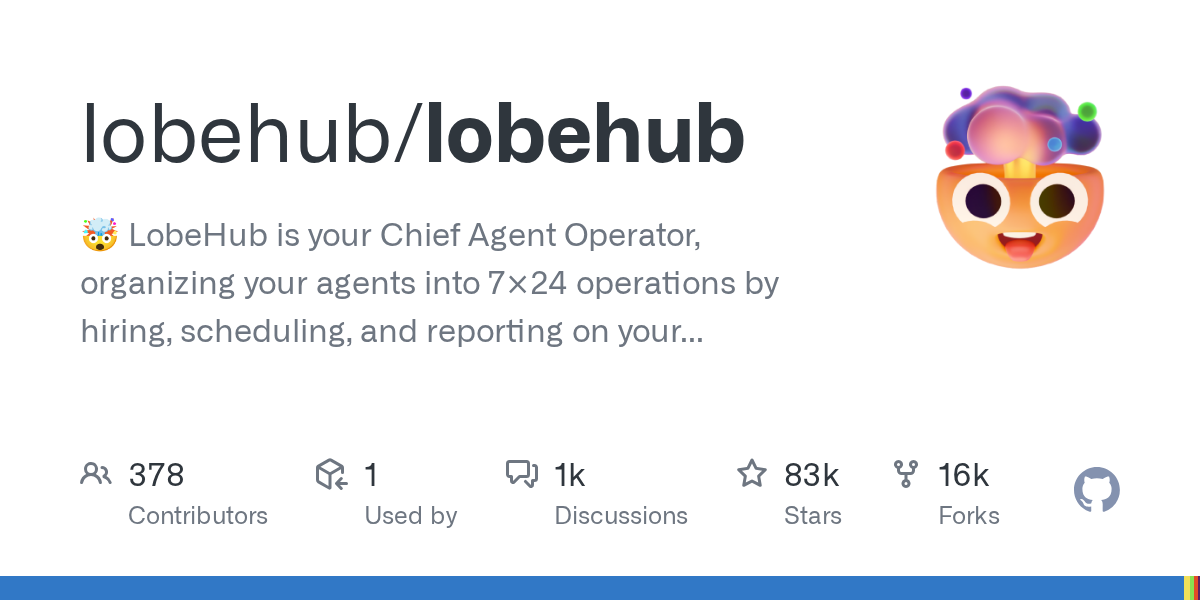
82.8k stars · LobeHub Community License — Apache 2.0 with added conditions. NOT plain Apache-2.0, although GitHub's About sidebar says so · v2.2.15 (2026-08-28, ungh) · Track this in Scout
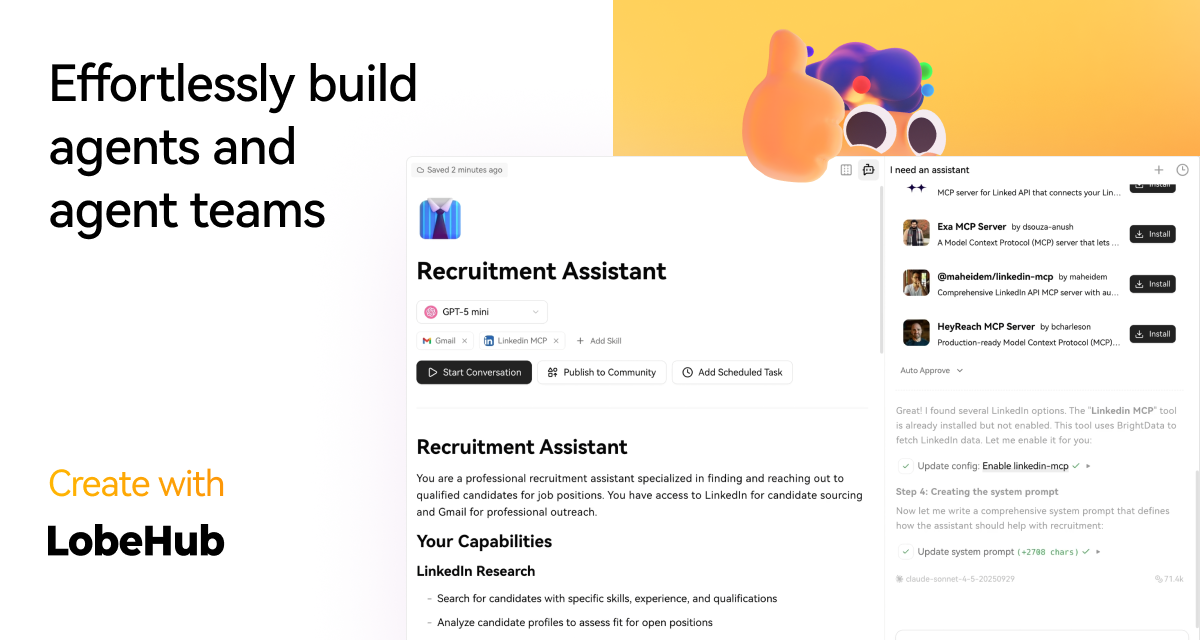
A self-hosted place to run and supervise several AI assistants, formerly the chat interface LobeChat.
▶Repo detailsthe review · specs · pros & cons · install
What it is
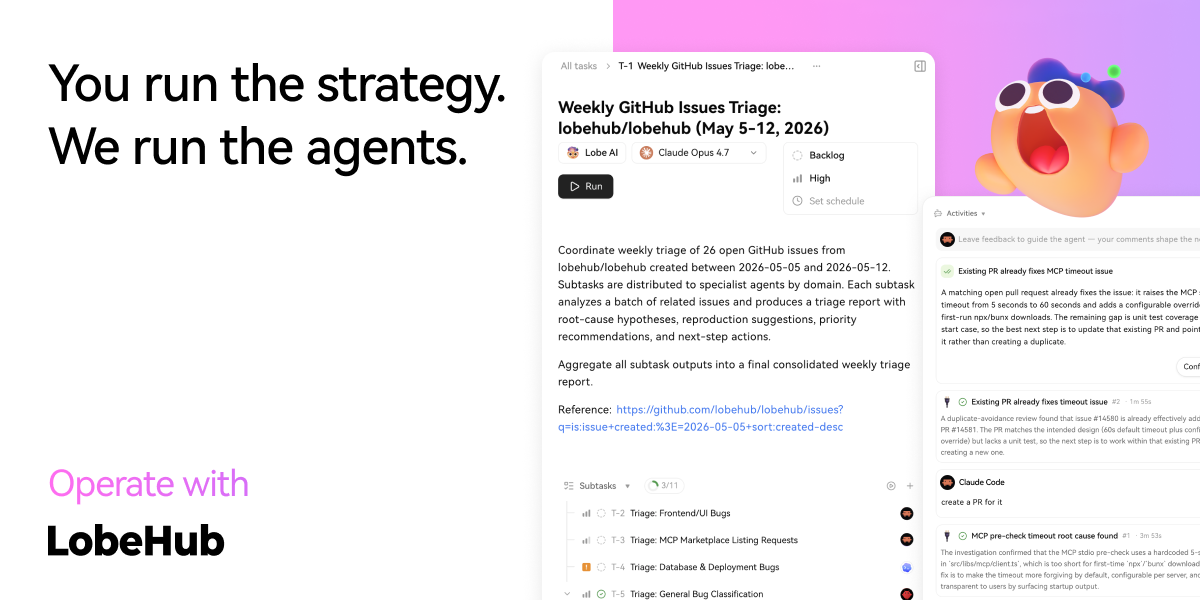
LobeHub is a web application you host. It connects to many AI providers through one interface, and it now organises assistants as ongoing workers with schedules, approvals and reports rather than as a single chat window. Release v2.2.15, dated 28 August 2026, merged 235 changes from thirteen people.
What it is good for. Anyone who has outgrown one chat window and wants several assistants working on different things, with a record of what each one did. It is also for anyone who wants one interface across several AI providers instead of a separate tab for each. The ledger recorded this project as returning a 404 on 17 September 2026; that was the rename from lobehub/lobe-chat, not a removal.
- One interface in front of many AI providers, so changing model does not mean changing tools.
- Very actively developed. Code landed on the day this edition was written.
- Approvals and interventions are built in, so a long-running job can be stopped and restarted rather than abandoned.
- The licence is not what the sidebar says. GitHub shows Apache-2.0. The
LICENSEfile is the "LobeHub Community License": Apache 2.0 plus conditions. Running it commercially as it comes is allowed. Developing and distributing a derivative work requires a commercial licence bought from the company. - Every message costs money at whichever AI provider it is pointed at. Several assistants running on a schedule is several bills running on a schedule.
- It is a large application. The setup script pulls a full Docker Compose stack, and an
OPENAI_API_KEYis required before anything answers.
 open-webui/open-webui
Covered in Edition 23; a larger self-hosted AI interface, and its licence also adds conditions, in its case about removing the branding.
Track this in Scout- danny-avila/LibreChat
A self-hosted chat interface with multi-user logins and agents, under a plain MIT licence.
Track this in Scout - ChatGPTNextWeb/NextChat
Much lighter and faster to deploy, and correspondingly does far less.
Track this in Scout
bash <(curl -fsSL https://lobe.li/setup.sh)
docker compose up -d



54.3k stars · Apache-2.0 · v1.51.0 (2026-09-17, from GitHub's own /releases/latest). ungh's cached latest is v1.50.0 of 2026-09-08 · Track this in Scout
An AI agent that installs, runs, edits and tests on the machine in front of it, rather than printing suggestions.
▶Repo detailsthe review · specs · pros & cons · install
What it is
goose is an extensible agent written in Rust. It ships as a desktop application for macOS, Linux and Windows, as a command-line tool, and as an API that can be embedded elsewhere. It connects to many language models and extends itself through MCP servers (a standard way for an assistant to gain access to an outside tool).
What it is good for. Anyone who writes code without a colleague to hand, and who wants a second pair of hands for the mechanical parts: upgrading a dependency across twenty files, writing the tests, reproducing a bug. The desktop application also makes it usable by people who do not live in a terminal, which is rarer than it sounds in this category.
- Three ways in — a desktop app, a command-line tool and an embeddable API — so it fits several working styles.
- Apache-2.0, a plain permissive licence with no commercial conditions attached.
- Fast-moving and serious about it: v1.51.0 landed on 17 September 2026, with v1.50.0 only nine days earlier.
- It runs commands. That is the point and it is also the risk, so read what it proposes before approving it, and do not point it at anything precious on the first day.
- Every request costs money at the model provider. An agent that keeps working through a long task keeps spending through it too.
- The project has changed hands. It is now published under
aaif-gooseand its page says it is maintained under the Agentic AI Foundation at the Linux Foundation. Old links and bookmarks toblock/goosestill redirect, but scripts that pin the old address should be updated.
 Aider-AI/aider
Covered in Edition 25; terminal only, and it commits each change to git as it goes, which makes undoing easy.
Track this in Scout- cline/cline
The same idea living inside a code editor as an extension, rather than as its own application.
Track this in Scout - sst/opencode
Another open coding agent, terminal-first and built around a client and server split.
Track this in Scout
curl -fsSL https://github.com/aaif-goose/goose/releases/download/stable/download_cli.sh | bash
goose configure
goose session

54.6k stars · GPL-3.0 · 2026.8 (2026-08-31, ungh). GitHub's page read 2026.6 of 29 June 2026 and was one release behind · Track this in Scout
A crypto trading bot you run yourself, with backtesting, parameter optimisation and paper trading in the same tool.
▶Repo detailsthe review · specs · pros & cons · install
What it is
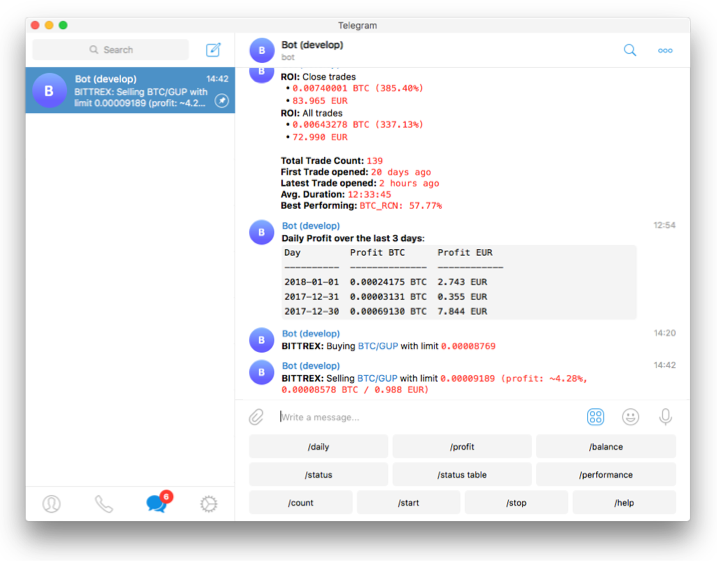
Freqtrade is a Python framework for automated cryptocurrency trading. You write a strategy as a Python class; it handles connecting to exchanges, placing orders, managing positions, and reporting. It includes a backtesting engine, a dry-run mode, a web interface and a Telegram bot for control.
What it is good for. Anyone who wants to test a trading idea properly before putting money behind it. The pipeline it gives you is the useful part: download historical data, backtest, optimise, paper trade, then live. It also suits people who want their rules running on a small machine of their own rather than on somebody else's platform.
- Backtesting, hyperparameter optimisation, dry-run and live trading are all in one tool with the same strategy file, so nothing is rewritten between stages.
- Very active and open about breaking changes. Release 2026.8, dated 31 August 2026, states plainly that a caching change alters behaviour by default.
- A large community, many published example strategies, and real documentation.
- GPL-3.0. Using it privately is unrestricted; distributing something built on it is not.
- It is cryptocurrency exchanges only. There is no support for shares, futures on regulated venues, or foreign exchange through a broker.
- A profitable backtest is not evidence. The tool makes overfitting easy and comfortable, and the honest use of it is mostly discovering that an idea does not work. Support for the Bitmart exchange was removed entirely in 2026.8 after that exchange closed, which is a reminder of where the other risks sit.
- hummingbot/hummingbot
Aimed at market making and arbitrage rather than at strategy rules, and it covers decentralised exchanges too.
Track this in Scout - jesse-ai/jesse
A smaller Python bot with a cleaner research workflow and a narrower set of exchanges.
Track this in Scout - QuantConnect/Lean
A far larger engine covering shares, options and futures as well as crypto, in C# and Python.
Track this in Scout
git clone https://github.com/freqtrade/freqtrade.git
cd freqtrade
./setup.sh -i
source .venv/bin/activate
freqtrade create-userdir --userdir user_data
freqtrade new-config --config user_data/config.json

1.6k stars · Apache-2.0 · 0.10.0 on PyPI (2025-05-22); GitHub release v0.6.0 (2024-11-12) · Track this in Scout
A lightweight unified API over cross-encoder and reranking models — would sharpen which chunks surface in Grasppy's drill-in.
▶Repo detailsthe review · specs · pros & cons · install
What it is
rerankers is a small Python library from Answer.AI. It wraps cross-encoders, late-interaction models, API-based rerankers and LLM-based rerankers behind a single Reranker class with the same rank() method for all of them.
What it is good for. Anyone building search over their own documents and finding that the first results are nearly right. Reranking is usually the cheapest large improvement available: the first search stays as it is, and a second pass reorders what it found. This library's value is that testing six rerankers costs six string changes rather than six integrations.
- Very few dependencies by default. You install only the backends you actually use.
- Genuinely broad coverage: cross-encoders, ColBERT-style models, FlashRank, hosted APIs and LLM rerankers, all through one call.
- Apache-2.0, so it can sit inside a commercial product without conditions.
- The newest GitHub release is 0.6.0, dated 12 November 2024. Code landed on 20 December 2025, so the project is alive, but it has been a long time since a tagged version. Pin what you install and test before upgrading.
- A reranker is slower than the search in front of it. Reordering fifty results with a cross-encoder costs real time on a CPU, and the good models want a GPU (a graphics card used for fast maths).
- It is a library with nothing to open and no screen. It only makes sense inside something you are already building.
- UKPLab/sentence-transformers
The library most of the cross-encoder models are published for; more powerful and much lower level, with no single interface across model families.
Track this in Scout - FlagOpen/FlagEmbedding
The home of the BGE embedding and reranking models themselves, rather than a wrapper around many families.
Track this in Scout - castorini/pyserini
A research toolkit that covers the whole retrieval pipeline, including the first search, and is aimed at reproducible experiments.
Track this in Scout
python3 -m venv venv
source venv/bin/activate
pip install "rerankers[transformers]"

5,405 stars · MIT · v1.3.1 (2026-06-14) · Track this in Scout
A modern replacement for the watch command that keeps every past run, so you can scroll back through what changed and when.
▶Repo detailsthe review · specs · pros & cons · install
What it is
viddy is a modern replacement for the classic Unix watch command, written in Go and shipped as a single file. It adds difference highlighting, a time machine that stores past results, a proper pager for long output, and the ability to save a session.
What it is good for. Anyone who watches things finish: a deployment, a queue draining, a file copying, a certificate renewing, a container coming up. The difference from watch is the time machine. When something goes wrong at 14:32, watch has already thrown away 14:31, and viddy has not.
- One file, no dependencies, and it starts instantly.
- The time machine is the feature nobody knew they wanted. Scrolling back through past runs turns "it broke at some point" into a timestamp.
- MIT licensed, and release v1.3.1 is dated 14 June 2026 with code landing on 16 August 2026.
- Terminal only. There is nothing to look at on a phone or in a browser.
- Storing every past run costs memory. A command producing large output every second, left running all day, will grow.
- It watches and reports. It cannot act on what it sees, so it is a pair of eyes and not a monitoring system.
- watchexec/watchexec
Runs a command when files change rather than on a timer, which suits development loops instead of watching.
Track this in Scout - eradman/entr
The same file-change idea in a very small, very old and very reliable C program.
Track this in Scout
brew install viddy
viddy -n 2 kubectl get pods


1.8k stars · Unlicense · v0.1.62 (2025-07-04) · Track this in Scout
Full-text and semantic search across every subtitle of a whole YouTube channel — competitor research at transcript level.
▶Repo detailsthe review · specs · pros & cons · install
What it is
yt-fts is a Python command-line tool. It downloads the subtitle tracks for every video on a channel, stores them in a SQLite file (a database that is one ordinary file), and searches them with full-text search. It can also do meaning-based search using embeddings if you supply an API key.
What it is good for. Anyone who needs to find something inside a long series of videos: a conference channel, a course, a podcast with video, a competitor's back catalogue. The situation it fixes is the familiar one of knowing a phrase was said somewhere in four hundred hours of video and having no way to get to it.
- The Unlicense, which is public domain — no conditions of any kind. The second such project this archive has published, after RSS-Bridge in Edition 28.
- The results carry the video and the timestamp, so a search ends with a link that starts playing at the right moment.
- Everything lands in one SQLite file, which you can query with ordinary SQL or move to another machine by copying it.
- It depends on YouTube continuing to serve subtitles the way it does today. When that changes, the tool breaks until someone fixes it.
- The newest release, v0.1.62, is dated 4 July 2025 and code last landed on 22 January 2026. The author had described the project as finished; it is alive by the eighteen-month measure and it is not moving quickly.
- Downloading a large channel takes a while and uses the network hard. Doing this to somebody's channel can run against YouTube's terms of use, so read them.
 jdepoix/youtube-transcript-api
The Python library for fetching one video's transcript; it does the fetching and leaves the storing and searching to you.
Track this in Scout yt-dlp/yt-dlp
The general downloader that can also fetch subtitles, with no search of any kind on top.
Track this in Scout- openai/whisper
Makes transcripts from the audio itself, which is what you need when a video has no subtitles at all.
Track this in Scout
python3 -m venv venv
source venv/bin/activate
pip install yt-fts
yt-fts download --jobs 5 "https://www.youtube.com/@SomeChannel"
yt-fts search "point in time recovery"

5,383 stars · ISC · v0.6.17 (2025-02-14, ungh and npm agree) — nineteen months, against code pushed 2026-09-01 · Track this in Scout
A concise charting API built on a layered grammar of graphics, from the makers of D3.
▶Repo detailsthe review · specs · pros & cons · install
What it is
Observable Plot is a JavaScript library that implements a layered grammar of graphics: you say what the marks are, what the data is and which columns map to which parts of the chart, and it works out the scales and axes. It is built on D3 and made by the same organisation.
What it is good for. Anyone who needs a decent chart in a web page and does not want to spend an afternoon on it. The situation is the one D3 users know well: D3 can draw anything, and drawing a bar chart with it takes forty lines. Plot draws the bar chart in four and still lets you reach down into D3 when the chart is genuinely unusual.
- Very little code per chart, and sensible defaults for axes, scales and legends.
- ISC licensed, which is as permissive as MIT.
- It is built on D3 rather than hiding it, so unusual requirements do not mean starting again in another library.
- The newest release is v0.6.17, dated 14 February 2025 — nineteen months ago. Code landed on 1 September 2026, so this is a release habit and not a dead project, but anyone who installs from npm is installing something a year and a half old.
- Still below version 1.0. The interface has changed between minor versions before.
- It renders in a browser. There is no server-side image output without extra work, so it is not the tool for a PDF report.
- d3/d3
The toolkit underneath; it can draw anything and asks far more of you for each chart.
Track this in Scout - vega/vega-lite
The same grammar idea expressed as JSON rather than as JavaScript calls, which suits generating charts from another program.
Track this in Scout - plotly/plotly.js
A much larger library with interactive charts ready made, and a correspondingly larger download.
Track this in Scout
npm install @observablehq/plot

19,789 stars · MIT · v0.2.0 (2022-05-26, ungh) — the coordination repository tags the palette specification, not software. Code pushed 25 July 2026 · Track this in Scout
A single pastel colour scheme, in four shades, ported by hand into several hundred separate programs.
▶Repo detailsthe review · specs · pros & cons · install
What it is
Catppuccin is a colour palette published in four variants — Latte, Frappé, Macchiato and Mocha — with 26 named colours each. The main repository holds the definition, the rules and the index; the ports live in hundreds of separate repositories, each maintained for one program.
What it is good for. Anyone who spends the day looking at several programs and would like them to stop fighting each other. It is also unusually useful as a starting palette for a project of your own: the colours were chosen for contrast and checked against WCAG AA (an accessibility standard for how readable text is against its background).
- The breadth is the point. Several hundred ports means the editor, the terminal, the file manager and the browser can all match.
- MIT licensed, so the palette can be used in commercial work without conditions.
- Contrast was designed in rather than checked afterwards, which is rare in a theme.
- There is almost no code here. The repository is a definition, a specification and coordination, so "installing" it means finding and installing each port separately.
- The ports are maintained by different people at different speeds. Some are current, some are years behind the program they theme.
- The newest release on this repository is v0.2.0, dated 26 May 2022, which reflects that the palette itself rarely changes. Code landed on 25 July 2026, so the project is active; the version number is simply not how it moves.
- dracula/dracula-theme
The same idea and the older one, with a darker and higher-contrast palette and a similarly wide set of ports.
Track this in Scout - morhetz/gruvbox
A warm retro palette that began in Vim and spread outwards, with fewer official ports.
Track this in Scout - rose-pine/rose-pine-theme
A smaller and newer scheme in the same soft-contrast family, with far fewer programs covered.
Track this in Scout
https://github.com/catppuccin



Checked, and left out
These were opened for this edition and did not make it, with the reason.
pgbackrest/pgbackrest - ALREADY PUBLISHED as Edition 18 #1 on 12 September 2026, and that edition's gold. 4,367 stars, MIT, code 9 September 2026. It was researched and written up in full this morning before the repeat guard caught it, and it was pulled and replaced by wal-g/wal-g. No release since Edition 18 earns a repeat. FIGURE CORRECTED on the row: Edition 18 recorded v2.58.0 of 19 January 2026; ungh gives release/2.59.0 of 20 July 2026.
pgbackrest/pgbackrest - ALREADY PUBLISHED as Edition 18 #1 on 12 September 2026, and that edition's gold. 4,367 stars, MIT, code 9 September 2026. It was researched and written up in full this morning before the repeat guard caught it, and it was pulled and replaced by wal-g/wal-g. No release since Edition 18 earns a repeat. FIGURE CORRECTED on the row: Edition 18 recorded v2.58.0 of 19 January 2026; ungh gives release/2.59.0 of 20 July 2026.
pmorissette/ffn - ALREADY PUBLISHED as Edition 13 #11 on 7 September 2026. 2,982 stars, MIT. Considered again this morning and dropped by the id check before any draft existed. Its newest release, v1.1.5, predates Edition 13, so nothing is earned.
pmorissette/ffn - ALREADY PUBLISHED as Edition 13 #11 on 7 September 2026. 2,982 stars, MIT. Considered again this morning and dropped by the id check before any draft existed. Its newest release, v1.1.5, predates Edition 13, so nothing is earned.
k1LoW/tbls - ALIVE. 4,344 stars, code 8 September 2026. A CI-friendly tool that documents a database as Markdown and lints the schema. New to the ledger, queued deliberately rather than published, because Edition 28 covered database schema tools the day before.
k1LoW/tbls - ALIVE. 4,344 stars, code 8 September 2026. A CI-friendly tool that documents a database as Markdown and lints the schema. New to the ledger, queued deliberately rather than published, because Edition 28 covered database schema tools the day before.
mufeedvh/code2prompt - ALIVE. 7,501 stars, code 29 June 2026. Turns a folder of code into one prompt with a source tree and token counts. New to the ledger, queued. It is the maintained answer to the job simonw/files-to-prompt stopped doing.
mufeedvh/code2prompt - ALIVE. 7,501 stars, code 29 June 2026. Turns a folder of code into one prompt with a source tree and token counts. New to the ledger, queued. It is the maintained answer to the job simonw/files-to-prompt stopped doing.
arp242/goatcounter - ALIVE. 5,858 stars, code 20 July 2026. Small self-hosted web analytics that collects no personal data. New to the ledger, queued.
arp242/goatcounter - ALIVE. 5,858 stars, code 20 July 2026. Small self-hosted web analytics that collects no personal data. New to the ledger, queued.
pgmoneta/pgmoneta - ALIVE. 319 stars, code 14 September 2026. PostgreSQL backup and restore in C. New to the ledger, queued. The smallest project opened this morning; listed as a comparison under #2 rather than given an entry, because two PostgreSQL backup tools in one edition is one too many.
pgmoneta/pgmoneta - ALIVE. 319 stars, code 14 September 2026. PostgreSQL backup and restore in C. New to the ledger, queued. The smallest project opened this morning; listed as a comparison under #2 rather than given an entry, because two PostgreSQL backup tools in one edition is one too many.
11ty/eleventy - ALIVE, held over from 22 September, when its GitHub page returned HTTP 504 three times and the licence could not be read from the source. Still queued and still explicitly not called unverified.
11ty/eleventy - ALIVE, held over from 22 September, when its GitHub page returned HTTP 504 three times and the licence could not be read from the source. Still queued and still explicitly not called unverified.
Coming tomorrow