
Edition No. 28 · 22 Sep 2026
Twelve repositories for reading what you already have
A personal finance app with 54,332 stars turned out to be archived, and ten projects this report could not verify were finally settled.
Tuesday, 22 September 2026. Twelve repositories, opened and checked this morning. Ten more that this report had never managed to verify were checked too, and three of them turned out to be finished.
We aim for twelve every day. Some candidates fall out while we check them — those are listed at the end, with the reason.
There is no theme. Twelve repositories, picked on how good they are, across eleven different areas.
Three things worth knowing, separate from the recommendations
- A personal finance application with 54,332 stars is read-only, and its own page says so. maybe-finance/maybe carries the banner "This repository was archived by the owner on Jul 27, 2025. It is now read-only." Its last code landed on 24 July 2025, fourteen months ago. It was found while checking the comparison list under entry #5, which is the same way Edition 24 found that Watchtower had been archived. A high star count is a record of how many people liked a project at some point in the past. It says nothing about whether anyone is still working on it, and nothing at all about today. - Ten projects this report had failed to verify were checked this morning, and seven of them are alive. For two weeks this report has carried a list of repositories marked unverified — not dead, but not provable either, usually because the project cuts no releases and this sandbox cannot read commit dates directly. A free mirror of GitHub's own data settled ten of them in one pass. Seven are alive and two of those are published today as entries #2 and #3. Three are genuinely finished and are named in the left-out list. That list had thirteen rows and now has three. - The Inter typeface has taken no new code in twenty-two months, and a yearless date hid it. rsms/inter has 19,902 stars and its last code landed on 19 November 2024. Edition 25 could not date its newest release at all: GitHub showed "16 Nov" with no year, and 16 November 2026 has not happened yet, so the year was lost rather than known. It was November 2024. The project is stable rather than neglected — a typeface does not need weekly changes — but the eighteen-month line does not bend, so it is recorded as finished and will not be recommended.
If you only do three things
- gitleaks (#1) — ten minutes, on a repository that already exists. A password or an API key that was committed once and deleted later is still in the history of that repository forever. Deleting the line does not remove it. This reads the whole history and tells you what is in there. Most people who run it for the first time find something.
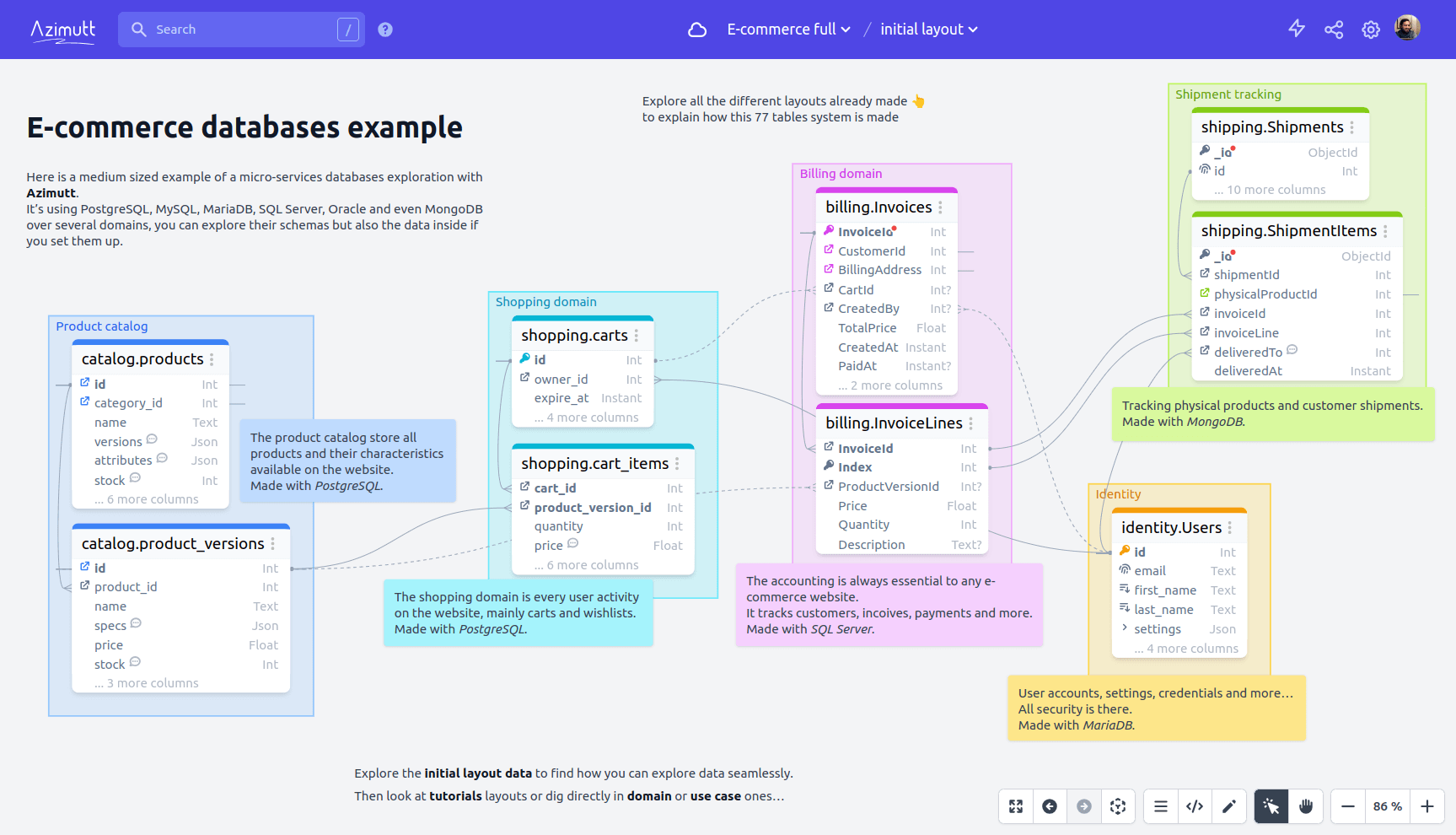
- Azimutt (#2) — half an hour, and it only reads. Connect it to a database and it draws what is actually in there: every table, every column, and which table points at which. Useful on a database somebody else designed, and useful on one written three years ago and half forgotten.
- Yazi (#10) — five minutes to install, and it changes a daily habit. A file manager inside the terminal that shows a preview of whatever is selected, including images, PDFs and video, and leaves you in the folder you chose when you quit.
Every link in one place
| # | Repository | Website | Stars | Licence |
|---|---|---|---|---|
| 1 | gitleaks/gitleaks | gitleaks.io | 29.4k | MIT |
| 2 | azimuttapp/azimutt | azimutt.app | 2,183 | MIT |
| 3 | eikek/docspell | docspell.org | 2,315 | AGPL-3.0-or-later |
| 4 | sismics/docs | teedy.io | 2,557 | GPL-2.0 |
| 5 | firefly-iii/firefly-iii | firefly-iii.org | 24.7k | AGPL-3.0 |
| 6 | advplyr/audiobookshelf | audiobookshelf.org | 14.4k | GPL-3.0 |
| 7 | hedgedoc/hedgedoc | hedgedoc.org | 7.4k | AGPL-3.0 |
| 8 | rss-bridge/rss-bridge | rss-bridge.org | 9.2k | Unlicense |
| 9 | frappe/helpdesk | frappe.io/helpdesk | 3.2k | AGPL-3.0 |
| 10 | sxyazi/yazi | yazi-rs.github.io | 42.3k | MIT |
| 11 | msgspec/msgspec | msgspec.dev | 4.1k | BSD-3-Clause |
| 12 | mem0ai/mem0 | mem0.ai | 65.8k | Apache-2.0 |
A personal finance app with 54,000 stars was archived by its owner
Twelve repositories, checked and reviewed. Every version verified against the GitHub API and dated.

29.4k stars · MIT · v8.30.1, read from /releases/latest, shown as '21 Mar' with no year; ungh.cc dates the same tag 2026-03-21 with the year present · Track this in Scout
It searches a Git repository, including its whole history, for passwords and keys that were committed by mistake.
▶Repo detailsthe review · specs · pros & cons · install
What it is
A single command-line program written in Go, with about two hundred built-in rules for recognising the shape of a secret: cloud keys, database passwords, payment keys, personal access tokens. It can scan the files as they are now, the whole commit history, or run automatically before every commit.
What it is good for. Anyone who writes code without a colleague to review it, and anyone about to make a private repository public. It is also worth running on a repository that has already been public for years, because the useful question is not whether a secret is visible today but whether one was ever committed. A key that was live for one afternoon in 2023 is still a live key if nobody rotated it.
- It is one downloaded file and needs nothing else installed.
- It reads history, which is the part people forget. Searching current files finds almost nothing useful.
- Running it before each commit means the mistake never gets recorded in the first place.
- It reports things that are not secrets. A random-looking test string matches the same patterns. Expect to read the list and dismiss some of it.
- It cannot fix anything. Finding an old key tells you to go and cancel that key at the provider, which is manual work.
- Rewriting history to remove a secret is a separate, harder job with a real chance of breaking other people's copies of the repository.
- trufflesecurity/trufflehog
It also hunts for leaked credentials, but it goes a step further and tries each one against the live service to see whether it still works, across many more sources than Git.
Track this in Scout - Yelp/detect-secrets
It also finds secrets in a code base, but it is built around a signed-off baseline file so a team only ever reviews what is new.
Track this in Scout  getsops/sops
It works on the other side of the same problem: instead of finding a secret that was committed, it encrypts the values in a settings file so committing it is safe.
Track this in Scout
# macOS or Linux with Homebrew
brew install gitleaks
# or download the binary for your system from
# https://github.com/gitleaks/gitleaks/releases
# scan the files as they are now
gitleaks dir . -v
# scan the whole commit history
gitleaks git . -v

2,183 stars · MIT · no GitHub releases at all — a determination, not a gap: ungh.cc/repos/azimuttapp/azimutt/releases/latest returns 404. The npm package azimutt is at 0.1.39 and carries no publish date. Code pushed 25 August 2026, proved via ungh.cc · Track this in Scout
It draws the real shape of a database so you can explore it instead of guessing.
▶Repo detailsthe review · specs · pros & cons · install
What it is
A web application that reads the structure of a database — PostgreSQL, MySQL, SQL Server, MongoDB, Couchbase and several others — and lays it out as a diagram you can search and filter. It also finds problems by itself: missing indexes, inconsistent naming, tables nobody points at.
What it is good for. Anyone who has inherited a database, or written one and then left it alone for two years. The usual alternative is reading the schema file, which shows the tables but not how they relate in practice. It is also the fastest way to write down what a database means, because you can attach notes to tables and columns and keep them beside the thing they describe.
- It reads only. There is no command in it that can change data.
- It handles a database with hundreds of tables, which is where hand-drawn diagrams give up.
- The hosted copy needs nothing installed, and a small local program lets it reach a database that is not on the public internet.
- It publishes no GitHub releases at all, so there is no version number to pin and no release page to watch. That is a deliberate choice by the project, not a sign of neglect: its code was last changed on 25 August 2026.
- Letting a hosted web application read a database means giving it credentials. Read the self-hosting instructions first if that is not acceptable.
- The diagram is a picture of the structure, not of the data. It will not tell you a column is full of nulls.
- drawdb-io/drawdb
It also draws database diagrams in a browser, but it is for designing a schema from nothing rather than exploring one that already exists.
Track this in Scout - chartdb/chartdb
It also builds a diagram from a live database with a single query, but it stays a diagram editor, where this one adds search, notes and schema analysis.
Track this in Scout - schemaspy/schemaspy
It also documents a database automatically, but it produces static HTML pages from a Java command rather than something you explore interactively.
Track this in Scout
# simplest: open https://azimutt.app in a browser
# to reach a database that is not on the public internet,
# run the small local gateway first:
npx azimutt@latest gateway
# to host the whole thing yourself:
docker run -p 4000:4000 ghcr.io/azimuttapp/azimutt:latest
2,315 stars · AGPL-3.0-or-later · v0.43.0, dated 15 March 2025 — the year confirmed by ungh.cc, which returns 2025-03-15T15:27:59Z for the same tag. GitHub's release page showed '15 Mar' with no year in the fetch summary, which the yearless rule would have read as 2026 · Track this in Scout
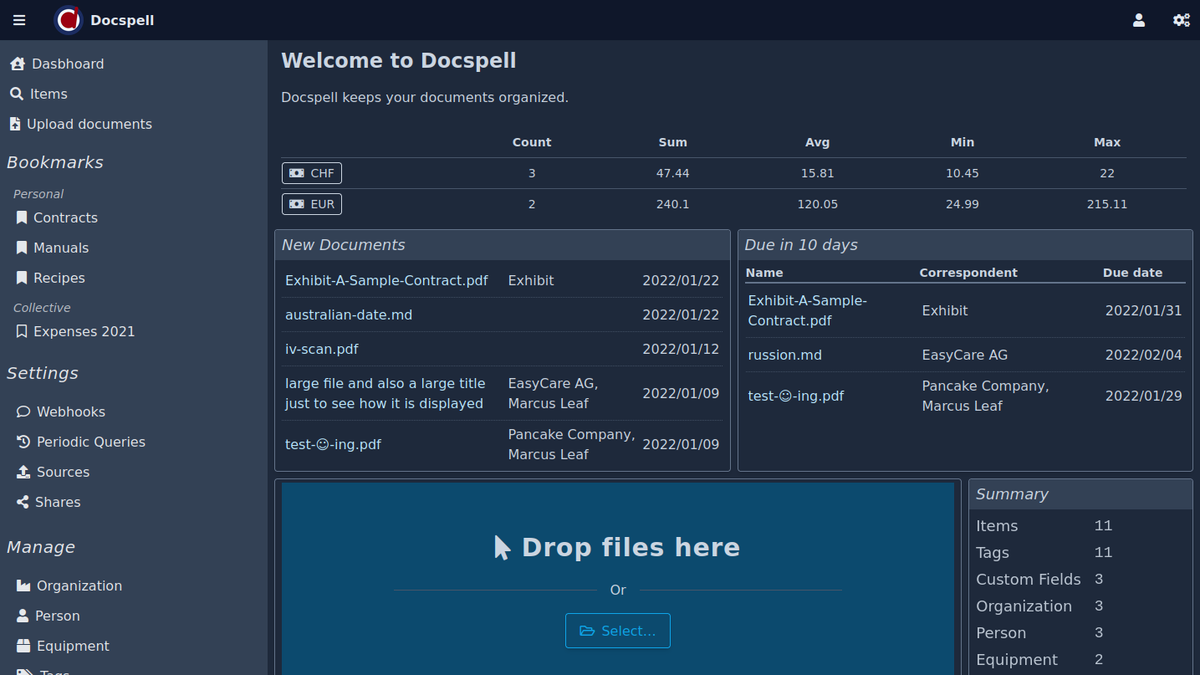
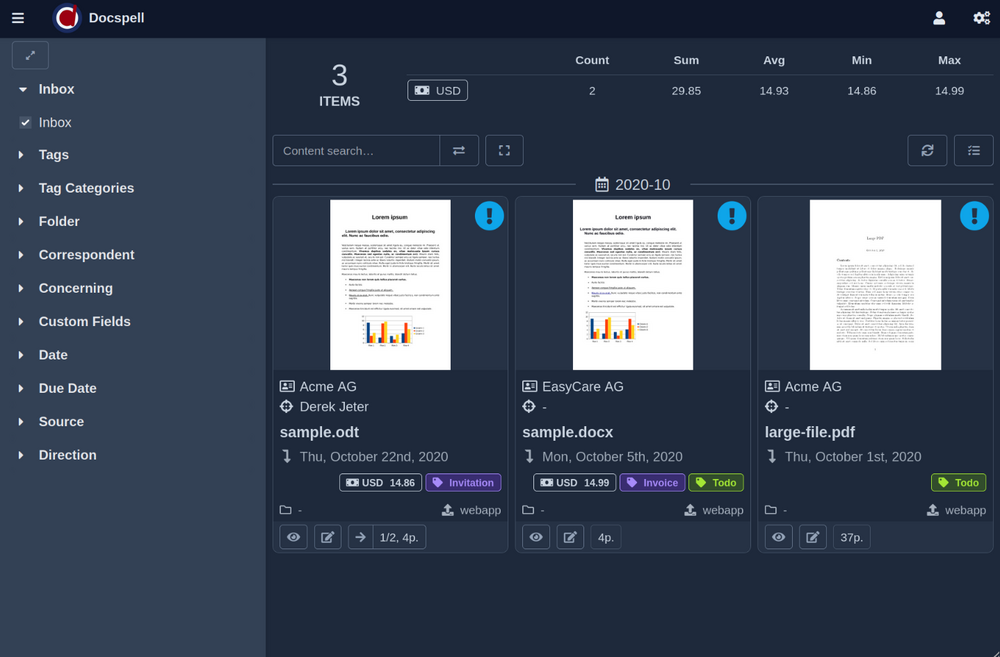
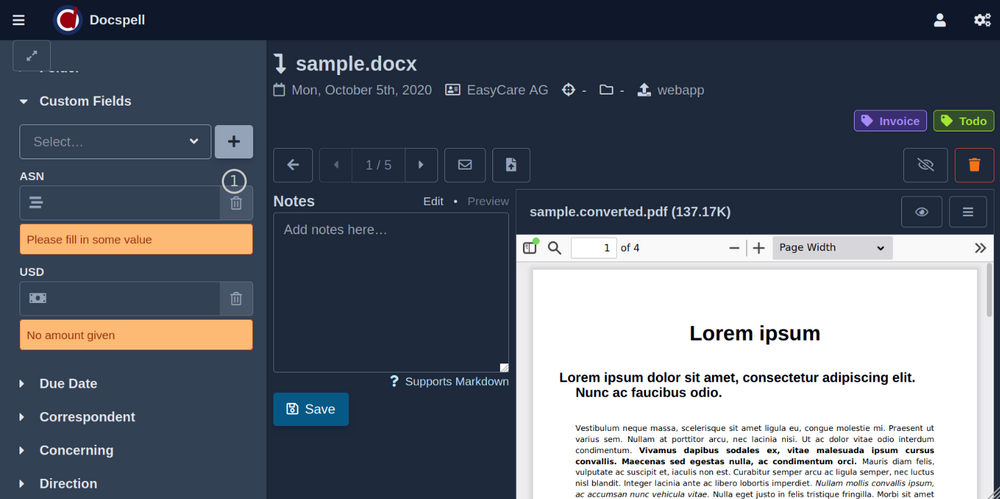
It reads incoming documents, works out who they are from and what they say, and makes the pile searchable.
▶Repo detailsthe review · specs · pros & cons · install
What it is
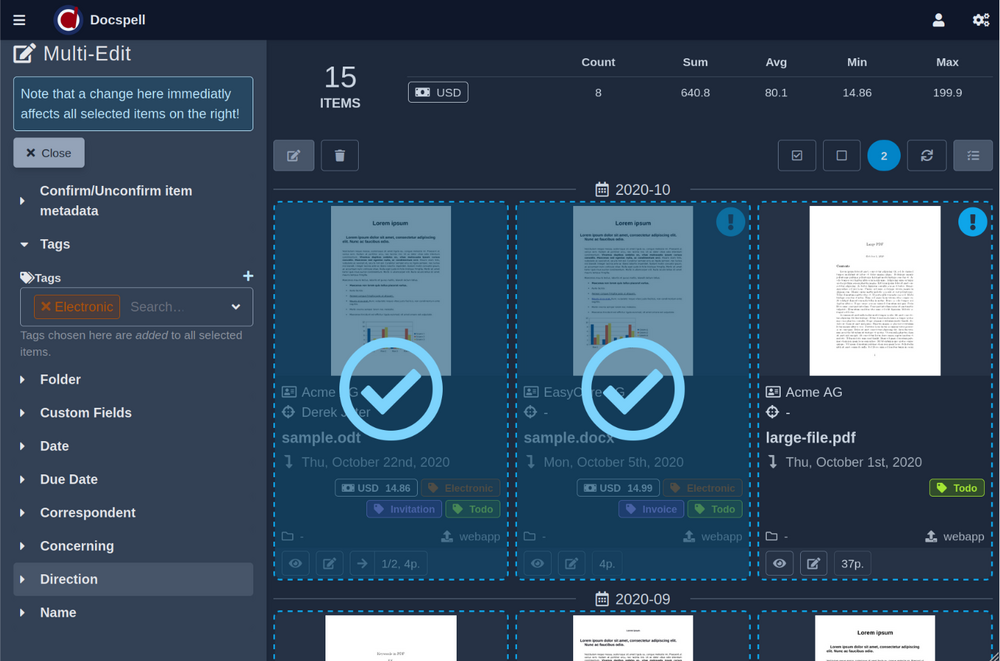
A document server written in Scala that stores files, runs optical character recognition on scans and images, and then tries to classify each document against people and companies you have told it about. It can collect files from a folder it watches or from a mailbox it checks.
What it is good for. Anyone with a drawer of paper and a scanner, and anyone who receives invoices as PDF attachments and loses them in an inbox. The everyday payoff is small and constant: instead of remembering that a document is called scan_0043.pdf, you search for the company name and the year.
- The automatic sorting learns from the corrections you make, so it gets less wrong over time.
- It can watch a folder and a mailbox, so documents arrive without anyone uploading them by hand.
- It was one of ten projects this report could not verify last week. Its code was last changed on 28 August 2026, so it is comfortably alive.
- AGPL-3.0-or-later. Running it is unrestricted. Building a hosted service on top of a modified copy means publishing those modifications.
- Its newest release, v0.43.0, is dated 15 March 2025 — eighteen months ago. The code is current; the release habit is not. There is nothing newer to install than that tag.
- It is a Java-based server with a separate job runner, a database and an OCR stack. That is a real evening of setup, and it wants a couple of gigabytes of memory.
 paperless-ngx/paperless-ngx
It solves the same problem with a much larger community and more documentation, and it is the one most people land on first; docspell's classifier is the more automatic of the two.
Track this in Scout sismics/docs
It stores and searches the same pile, but the filing is done by hand with tags and permissions instead of being guessed. It is #4 in this edition.
Track this in Scout ocrmypdf/OCRmyPDF
It does only the reading-the-scan part, as one command over files that already exist, with no server, no database and nothing to keep running.
Track this in Scout
git clone https://github.com/eikek/docspell.git
cd docspell/docker/docker-compose
docker compose up -d
2,557 stars · GPL-2.0 · v1.11, read from /releases/latest, shown as '12 Mar' with no year. SETTLED by ungh.cc, which dates the same tag 2023-03-12 — three and a half years, NOT March 2026. Code pushed 9 February 2026, also via ungh.cc · Track this in Scout
A shared document store with tags, permissions, full-text search and reading of scanned pages.
▶Repo detailsthe review · specs · pros & cons · install
What it is
A Java web application, first published in 2013 and still in use, that keeps documents in a searchable store with hierarchical tags, per-user and per-group permissions, optical character recognition in several languages, and a simple approval workflow. It also accepts documents by email and from its own Android app.
What it is good for. A small team that needs the same documents in one place with different people allowed to see different things. Where #3 tries to work out where a document belongs, this one asks a person to say, which is the better answer when the filing follows rules that only a human knows — a client folder, a project, a contract type.
- Permissions per user and per group, which almost no personal document tool has.
- It runs from a single Docker image with no separate database to set up first, so the first version working takes minutes rather than an evening.
- Thirteen years old and still maintained. The code was last changed on 9 February 2026.
- Its newest release, v1.11, is dated 12 March 2023. Three and a half years of work since then is only available through the Docker image built from current code, not from a release you can pin.
- Filing is manual. Upload a hundred documents and you tag a hundred documents.
- GPL-2.0, which is an old licence and a stricter one than most projects here use. Read it before building anything commercial on top.
 eikek/docspell
It answers the same need by guessing where a document belongs and asking you to confirm, rather than having you file it. It is #3 in this edition.
Track this in Scout- paperless-ngx/paperless-ngx
It is the best known of the three, with the largest community, and it is built around one person's archive rather than a team's shared store.
Track this in Scout - nextcloud/server
It also stores and shares files for a team with permissions, but as a whole office platform with calendars and chat, where this one does documents only.
Track this in Scout
docker run -d --name teedy \
  -p 8080:8080 \
  -v /path/to/data:/data \
  sismics/docs:latest


24.7k stars · AGPL-3.0 · v6.7.3, read from /releases/latest, shown as '18 Sep' with no year and therefore 18 September 2026 · Track this in Scout
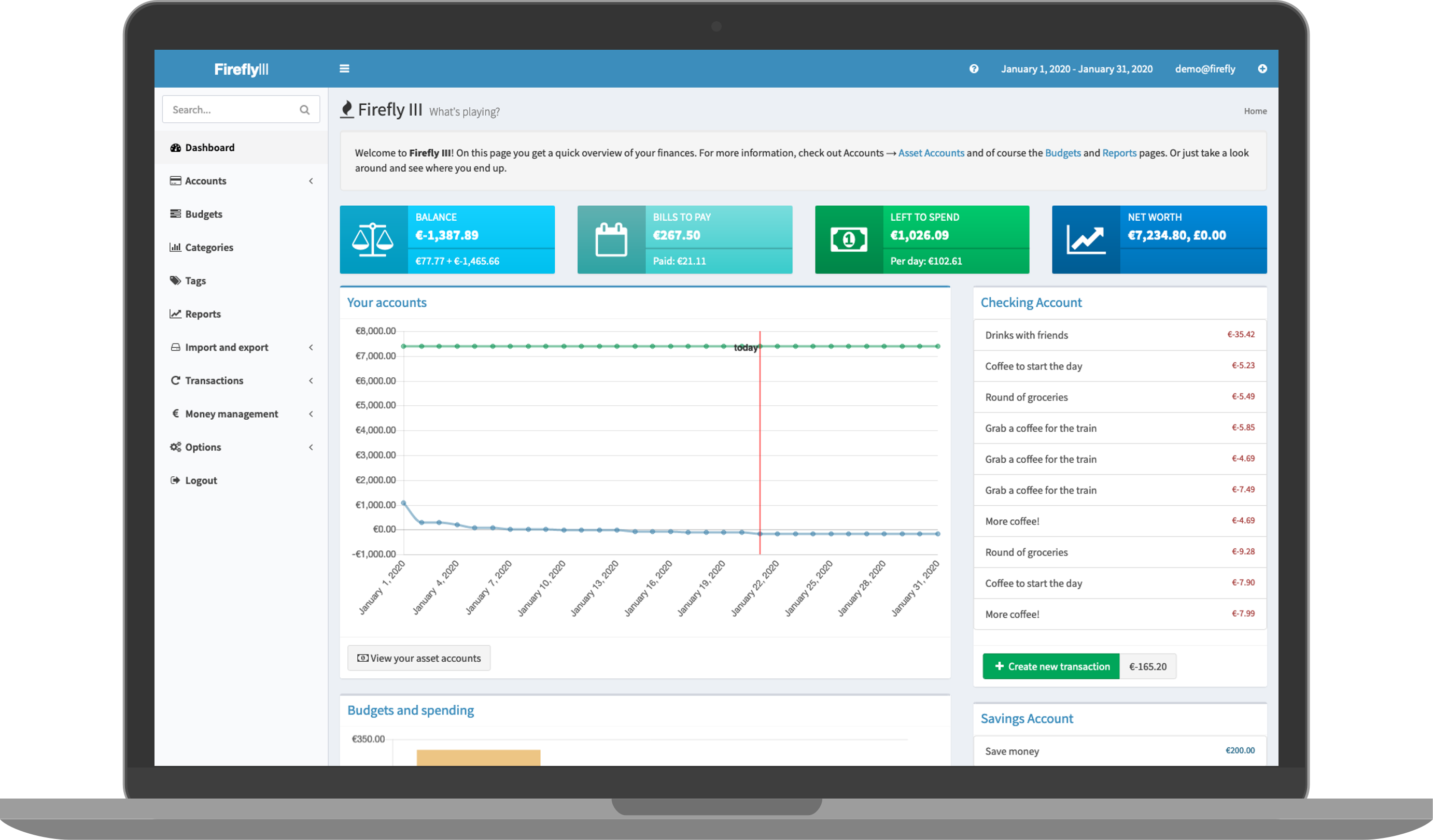
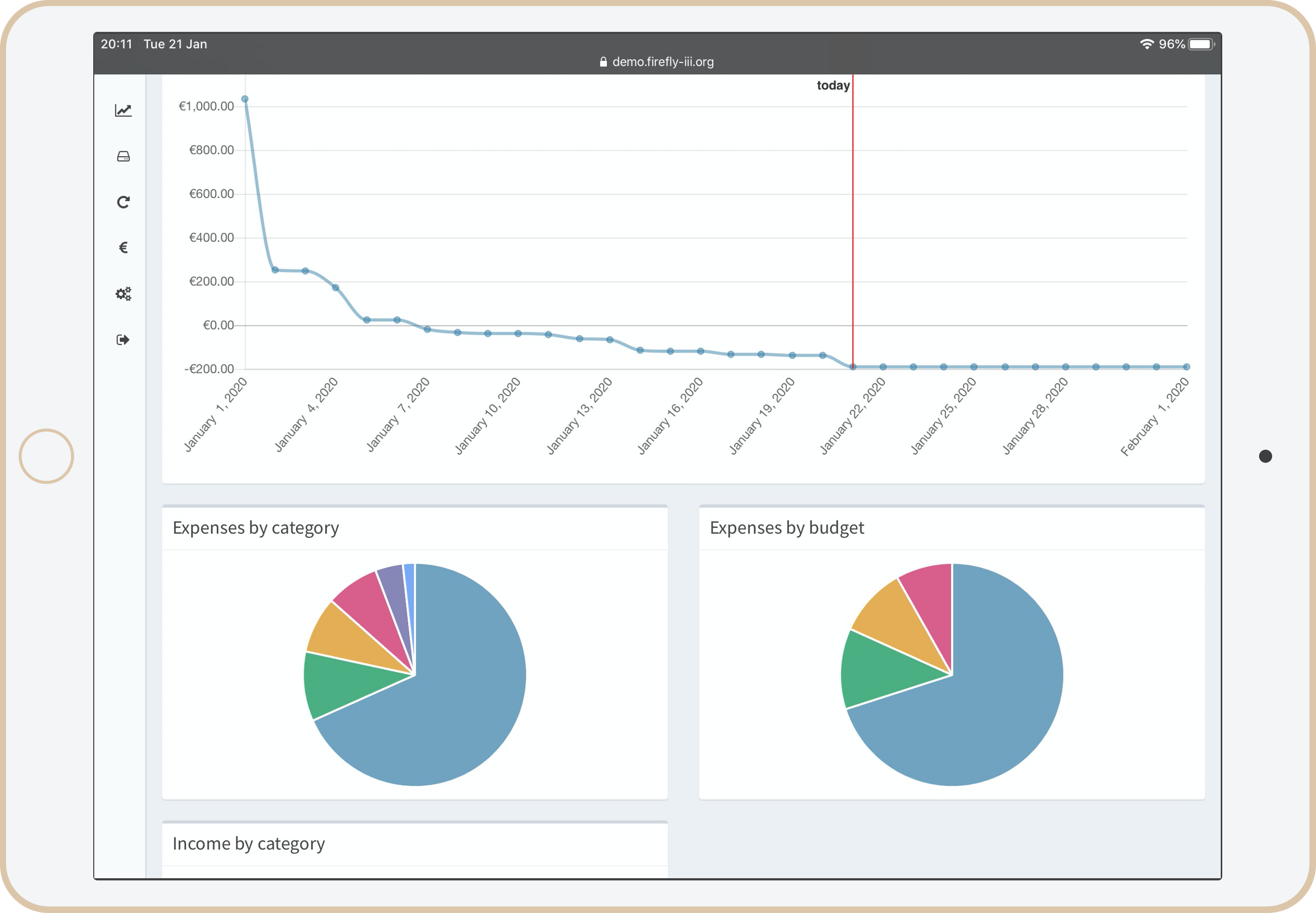
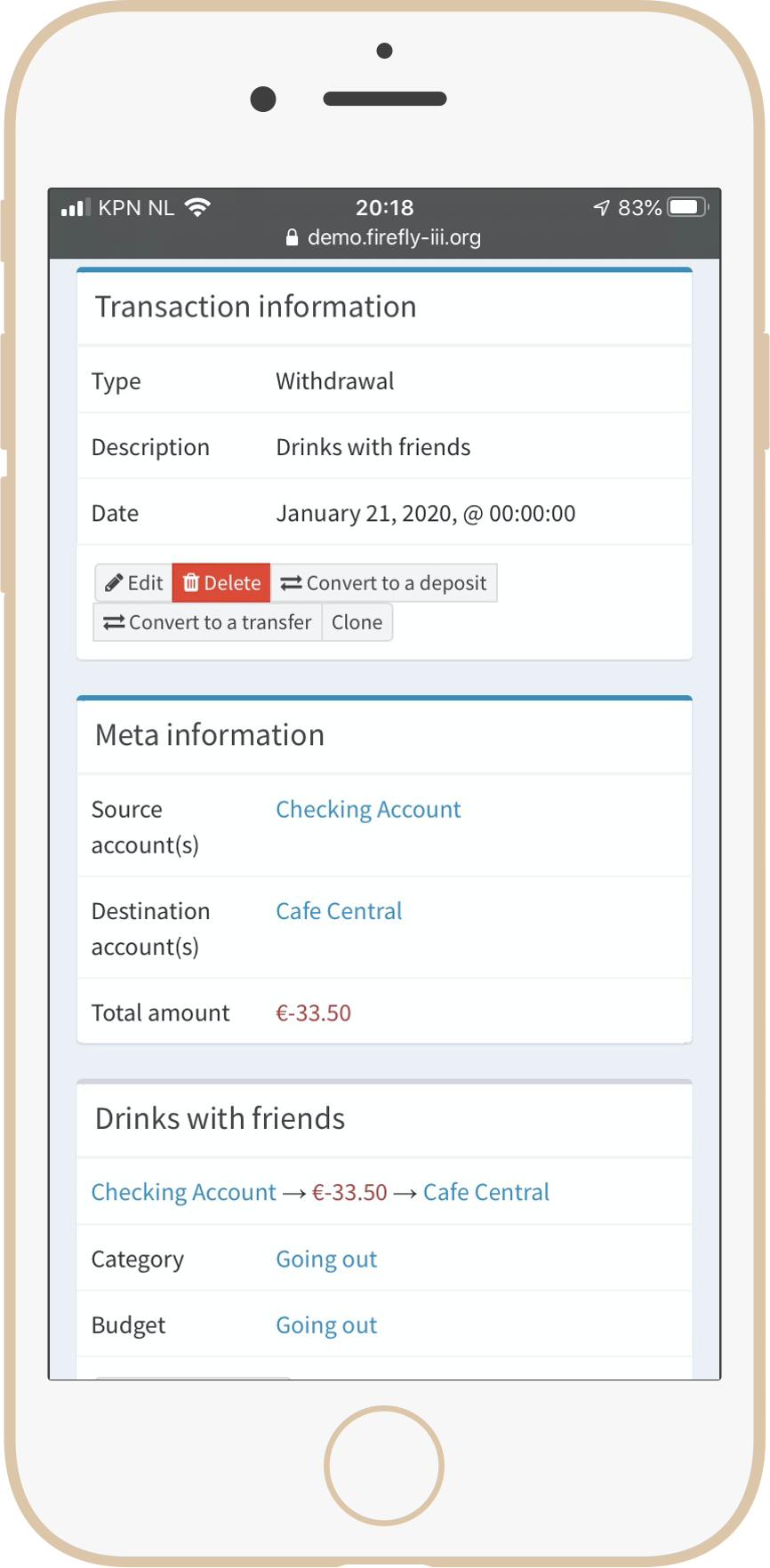
A personal finance manager you run yourself, with budgets, categories and reports.
▶Repo detailsthe review · specs · pros & cons · install
What it is
A PHP web application, first published in 2014 and still developed, that keeps accounts, transactions, budgets, bills and savings goals. It imports from CSV files and from bank connection services, and it has a full API so other programs can add transactions to it.
What it is good for. Anyone who wants to see spending by category without handing their transaction history to a company whose business is data. The situation it fits is a person or a very small business with more than one account and no clear picture of the total. It is also the honest answer for people who keep starting a spreadsheet and abandoning it.
- Twelve years of development and a release most months. v6.7.3 landed on 18 September 2026 and code landed today.
- The numbers stay on the machine you run it on, with no third party in the middle by default.
- Rules can categorise transactions automatically as they arrive, which is the difference between a habit that survives and one that does not.
- AGPL-3.0. The same condition as above: modify it and run it as a service for other people, and those modifications must be published.
- It does not connect to a bank by itself. Importing needs either a CSV file you download or a separate importer service you also run.
- It needs PHP, a web server and a database, so it is a proper install with backups to think about. Nothing here is one file.
 actualbudget/actual
It also tracks personal spending without a company in the middle, but it is built around envelope budgeting and works offline first.
Track this in Scout beancount/fava
It answers the same questions from a plain text ledger file you edit by hand, which suits people who would rather own a file than run a web application.
Track this in Scout- maybe-finance/maybe
It was the best known of these and it is finished: its own page says the owner archived it on 27 July 2025 and it is now read-only.
Track this in Scout
# the quickest working setup: Docker, with a PostgreSQL database
# download the official compose file and environment files from
# https://docs.firefly-iii.org/how-to/firefly-iii/installation/docker/
docker compose up -d


14.4k stars · GPL-3.0 · v2.36.1, read from /releases/latest, shown as '16 Sep' with no year and therefore 16 September 2026 · Track this in Scout
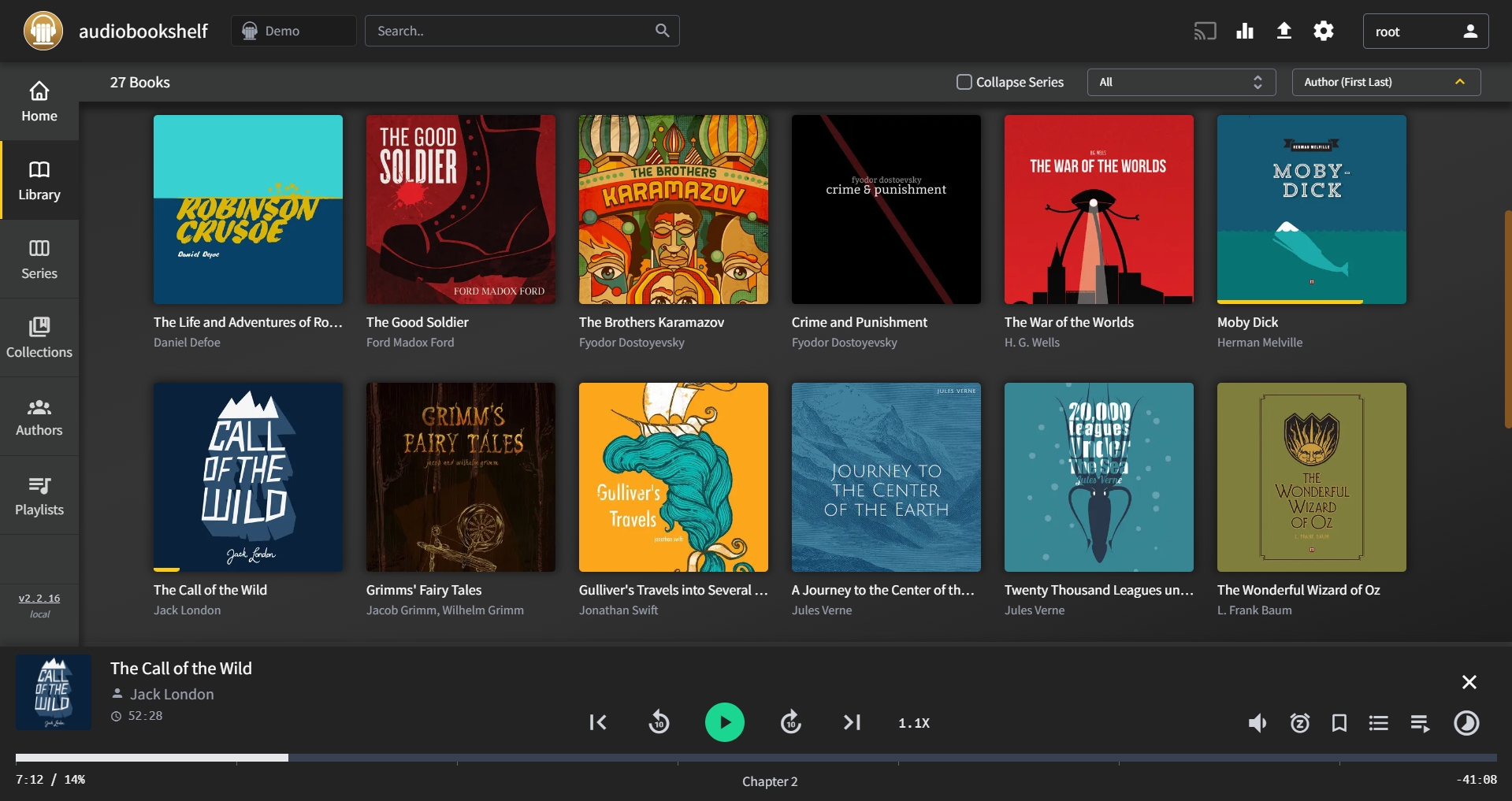
A self-hosted server for audiobooks and podcasts, with apps and saved listening positions.
▶Repo detailsthe review · specs · pros & cons · install
What it is
A server written in JavaScript that scans folders of audio files, reads the chapter marks and cover art, and serves them over the web and to its own Android and iOS apps. It keeps one listening position per user per book and syncs it across devices.
What it is good for. Anyone with a collection of audiobooks bought outright rather than rented from a subscription. The problem it removes is specific: ordinary music players lose your place, and a twelve-hour book without a saved position is unusable. It also replaces a podcast app for people who would rather the episodes lived on a machine they control.
- Multiple users with separate progress, which matters in a household.
- It downloads podcast episodes on a schedule and keeps as many as you tell it to.
- Free official apps for both phone platforms, which is unusual for a self-hosted project.
- GPL-3.0. Fine for personal use, a condition to read if you plan to distribute a modified copy.
- It serves files; it does not make them. Ripped discs or loose MP3 chapters need merging first — m4b-tool, Edition 27 #6, does that job.
- Audio is large. This becomes the place your collection lives, so it needs a backup that is not the same disk.
 sandreas/m4b-tool
It makes the files this one serves: merging loose chapters into a single audiobook with proper chapter marks, from the command line.
Track this in Scout navidrome/navidrome
It serves a personal collection the same way but for music, where a saved position and chapter marks do not matter.
Track this in Scout- SamTV12345/PodFetch
It covers only the podcast half, as a much smaller program, for people with no audiobook collection to serve.
Track this in Scout
docker run -d --name audiobookshelf \
  -p 13378:80 \
  -v /path/to/audiobooks:/audiobooks \
  -v /path/to/podcasts:/podcasts \
  -v /path/to/config:/config \
  -v /path/to/metadata:/metadata \
  ghcr.io/advplyr/audiobookshelf:latest

7.4k stars · AGPL-3.0 · 1.12.0, read from /releases/latest as '21 Aug' with no year; ungh.cc dates the same tag 2026-08-21 with the year present · Track this in Scout
A shared notepad in the browser where several people write the same document at the same time.
▶Repo detailsthe review · specs · pros & cons · install
What it is
A web application, descended from CodiMD and HackMD, that stores Markdown documents and synchronises edits between everyone who has the page open. It supports diagrams, mathematics, embedded media, and a presentation mode that turns a document into slides.
What it is good for. Meeting notes written by the people in the meeting, a shared plan that two people edit at once, a draft passed between reviewers. The problem it removes is the emailed document that comes back in four versions. Compared with a full wiki, there is nothing to organise: a note is a link, and the link is the whole of it.
- Real-time editing with several people, which is the feature almost every self-hosted note tool skips.
- A note becomes a slide deck with one setting, so the meeting notes and the presentation are the same file.
- Actively released: 1.12.0 landed on 21 August 2026.
- AGPL-3.0, the same condition as #3 and #5.
- Version 1.12.0 requires Node 20.17 or later. The project dropped Node 18 because its security support ended, so an older server will not run it.
- Notes are flat. There are no folders, so a hundred notes need a naming habit or they become unfindable.
- outline/outline
It also edits documents together in real time, but as a structured team knowledge base; it ships under the Business Source License, which is not open source.
Track this in Scout  BookStackApp/BookStack
It organises documentation into books and chapters, which is the opposite trade: a shape you can hold, and no live collaborative editing. Its development has moved to Codeberg.
Track this in Scout usememos/memos
It is for short notes written alone in five seconds rather than long documents written together.
Track this in Scout
docker run -d --name hedgedoc \
  -p 3000:3000 \
  -e CMD_DB_URL=postgres://user:password@database:5432/hedgedoc \
  -e CMD_DOMAIN=localhost \
  -e CMD_URL_ADDPORT=true \
  -v /path/to/uploads:/hedgedoc/public/uploads \
  quay.io/hedgedoc/hedgedoc:1.12.0

9.2k stars · Unlicense — public domain, and still one of very few in this archive · tagged 2025-08-05 and dated 5 August 2025, the year carried in the tag itself. Code pushed 28 August 2026, proved via ungh.cc · Track this in Scout
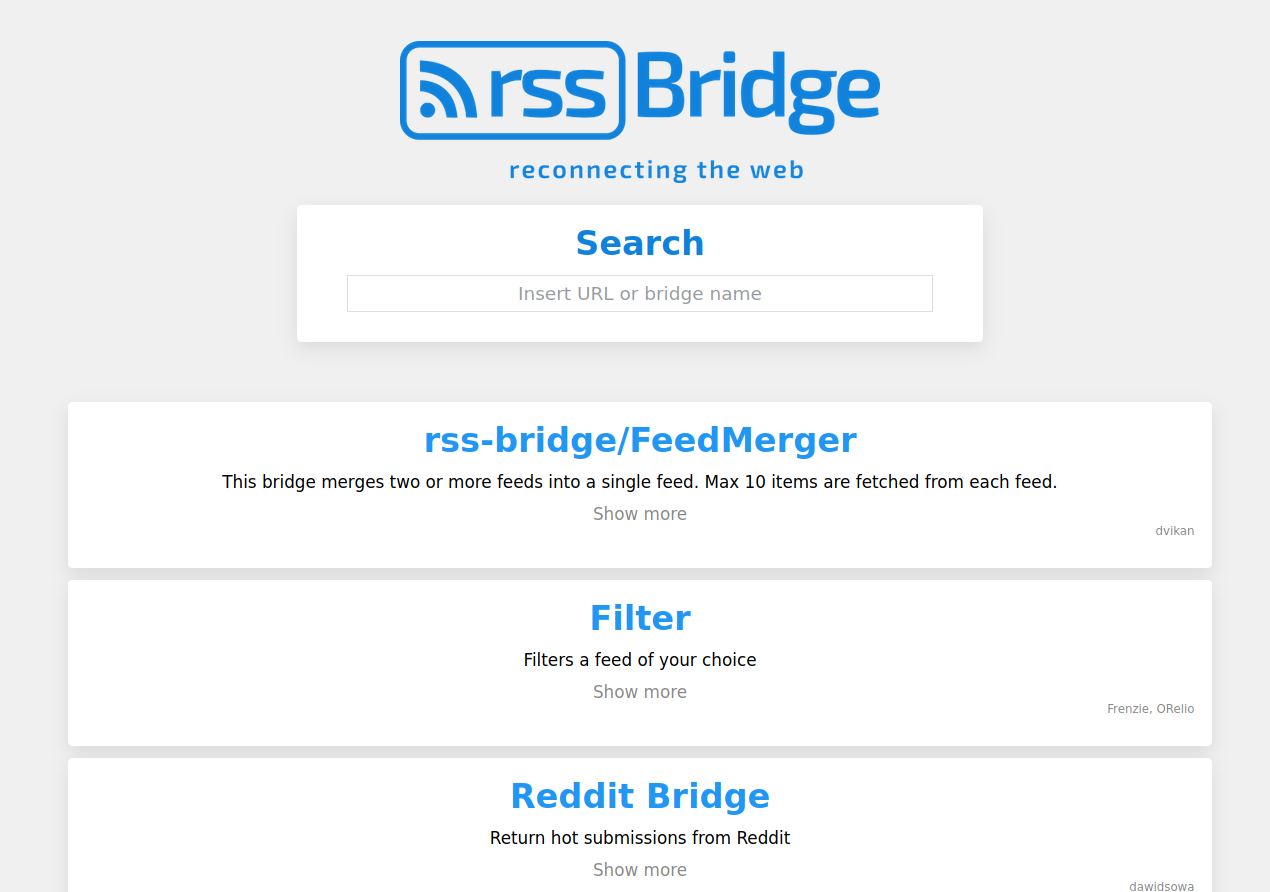
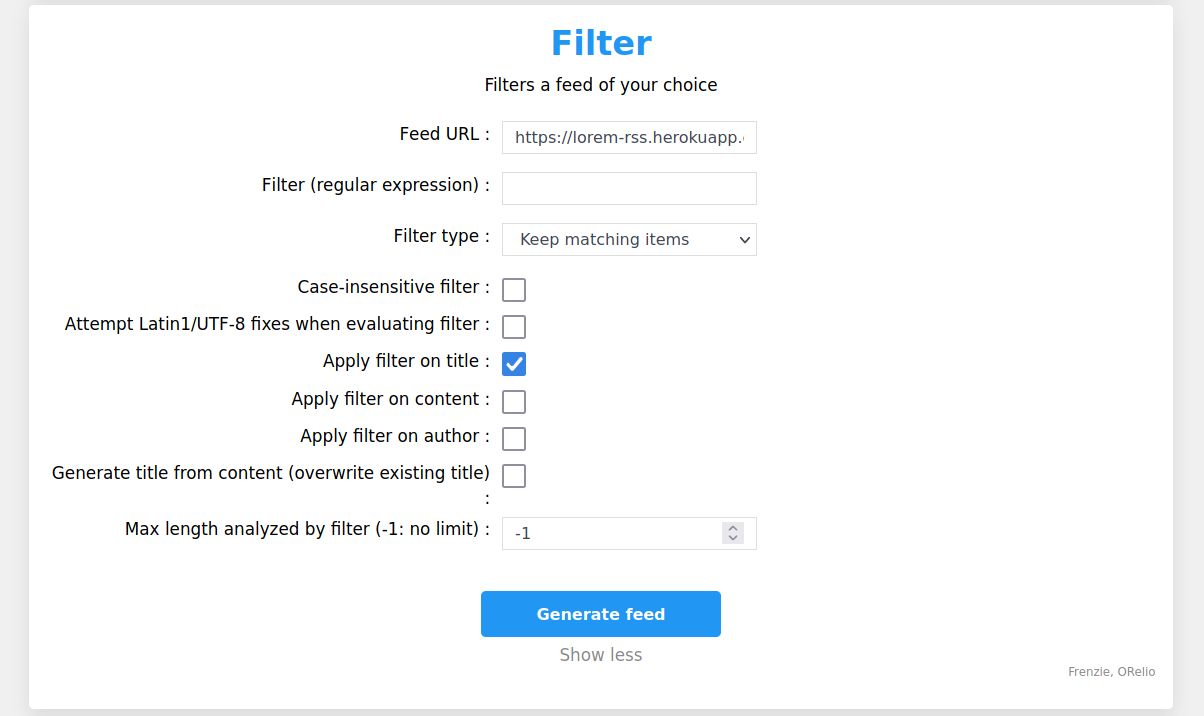
It makes an RSS feed for a website that removed its own.
▶Repo detailsthe review · specs · pros & cons · install
What it is
A small PHP application holding several hundred hand-written "bridges", each one knowing how to read a particular site and turn it into a feed. It serves the feed at a web address your reader subscribes to, and it can also produce Atom, JSON or plain HTML.
What it is good for. Anyone who wants to follow specific sites without an account on each one, and anyone doing competitive research who needs to know when a particular page changes. It is the quiet alternative to checking six tabs every morning. It pairs with RSSHub, which does the same job from the other direction with a much larger list of sources.
- The Unlicense: public domain, with no conditions whatsoever. The first and still one of very few in this archive.
- Several hundred sites are already covered, and writing a bridge for one that is not is a single small PHP file.
- It is small enough to run beside other things and needs no database.
- A bridge breaks when the site it reads changes its layout, which happens without warning. Expect a feed to go quiet occasionally and need an update.
- Reading a site this way can breach that site's terms of use. Check before pointing it at anything commercial.
- Its newest release is tagged
2025-08-05and dated 5 August 2025. The code itself was last changed on 28 August 2026, so that is a fact about its release habit, not about its health. Running the current code means running the development branch.
 DIYgod/RSSHub
It does the same job with a much larger list of supported sources, at the cost of a heavier install and an AGPL licence instead of the public domain.
Track this in Scout dgtlmoon/changedetection.io
It watches a page for changes and tells you when something moved, which is the same need answered with alerts rather than a feed.
Track this in Scout 0x2E/fusion
It is the other half of the workflow: a small reader for the feeds this one produces.
Track this in Scout
docker run -d --name rss-bridge -p 3000:80 rssbridge/rss-bridge:latest



3.2k stars · AGPL-3.0 · v1.27.0, dated 10 July 2026, read from the repository page sidebar with the year shown · Track this in Scout
It turns a shared email address into a list of tickets with owners, statuses and deadlines.
▶Repo detailsthe review · specs · pros & cons · install
What it is
A support desk built on the Frappe framework, with a customer-facing portal, a knowledge base, email-to-ticket conversion, and rules that escalate a ticket when it has gone unanswered for too long. It is the same platform that carries Frappe's CRM and accounting applications.
What it is good for. A team of two to ten people answering customer email, at the point where a shared mailbox stops being enough. The specific failure it removes is the duplicate reply: two people opening the same message within a minute of each other. Compared with FreeScout, which Edition 27 covered, this is the heavier option with more process built in — service-level rules, teams, a portal — and correspondingly more to install.
- Service-level agreements and escalation rules are built in rather than sold as a paid module.
- The customer portal and knowledge base come with it, so repeat questions can be answered once.
- Code landed on 20 September 2026 and it releases regularly; v1.27.0 is dated 10 July 2026.
- AGPL-3.0, with the same condition as the other AGPL entries here.
- It brings the whole Frappe platform with it — a Python application server, a database, a queue and a cache. This is the largest install in this edition.
- The interface assumes the Frappe way of doing things. If nothing else in use is Frappe, that is a new set of habits to learn for one application.
 freescout-help-desk/freescout
It answers the same need with a shared mailbox rather than a ticket workflow, and it installs on ordinary PHP hosting instead of a platform.
Track this in Scout- zammad/zammad
It handles the same tickets across email, chat and telephone, with a longer history and a heavier Ruby install.
Track this in Scout  chatwoot/chatwoot
It starts from live chat on a website and adds email afterwards, which is the opposite order to this one.
Track this in Scout
git clone https://github.com/frappe/helpdesk.git
cd helpdesk/docker
docker compose up -d

42.3k stars · MIT · v26.9.1, read from /releases/latest, shown as '01 Sep' with no year and therefore 1 September 2026 · Track this in Scout
A terminal file manager with previews of almost anything, that leaves you where you finished.
▶Repo detailsthe review · specs · pros & cons · install
What it is
A file manager written in Rust, built so that every slow operation — reading a folder, generating a preview, calculating a size — happens without freezing the interface. It has a plugin system, tabs, and a built-in fuzzy search.
What it is good for. Anyone who works in a terminal and keeps switching to a graphical window just to look at a picture or check which of four files is the right one. It is the fuller version of the idea behind tere, which Edition 27 covered: tere only changes folder, while this one does the whole job.
- Image, PDF and video previews inside the terminal, which is the part people do not expect to work.
- It is genuinely fast on folders with tens of thousands of files.
- Selecting many files and acting on them all is straightforward, which is where the arrow-key-and-Enter approach usually breaks down.
- Previews need extra programs installed —
ffmpegfor video,popplerfor PDF,7zipfor archives. Without them the previews are simply missing. - Leaving the shell in the chosen folder requires a small wrapper function in the shell configuration. Without it, quitting returns you to where you started and it looks broken.
- It is a terminal program with its own keys. Expect an hour of feeling slower before it makes you faster.
 mgunyho/tere
It does one tenth as much on purpose: it only walks folders and leaves you in the one you chose, and there is nothing to learn.
Track this in Scout- jarun/nnn
It is the small, old and extremely fast option, about 150 KiB, with previews handled by plugins rather than built in.
Track this in Scout - yorukot/superfile
It offers the same modern terminal file management with a friendlier default layout, written in Go, and with fewer preview types.
Track this in Scout
# macOS
brew install yazi ffmpeg sevenzip poppler resvg imagemagick
# or build it with Rust's package manager
cargo install --locked yazi-fm yazi-cli

4.1k stars · BSD-3-Clause · 0.21.1, dated 12 April 2026. PyPI and GitHub's /releases/latest agree, which is unusual enough to be worth recording · Track this in Scout
It reads JSON and similar formats into Python objects and checks their shape in the same pass.
▶Repo detailsthe review · specs · pros & cons · install
What it is
A Python library that handles JSON, MessagePack, YAML and TOML. You describe the expected shape with ordinary Python type annotations, and it validates while it decodes rather than afterwards, which is where the speed comes from. It has no required dependencies.
What it is good for. Anyone writing a Python program that accepts data from outside — a web API, a message queue, a configuration file. The problem it removes is the one where bad input travels a long way into the program before anything notices, and the error message ends up describing the wrong thing. Compared with Pydantic, which most Python programmers reach for first, this is smaller and faster and does considerably less.
- Validation and decoding in one pass, which is measurably faster than doing them separately.
- No required dependencies, so it adds almost nothing to an install.
- Code landed this morning, and version 0.21.1 is on PyPI dated 12 April 2026. Both sources agree.
- It is a library, not a program. There is nothing to open and nothing to look at.
- It is deliberately narrower than Pydantic: fewer custom validators, a smaller ecosystem, fewer framework integrations.
- Still numbered below 1.0 after five years, so the authors reserve the right to change things.
- pydantic/pydantic
It is what most Python programmers reach for first and does far more, with a much larger ecosystem, at the cost of size and speed.
Track this in Scout - ijl/orjson
It is the fastest way to read and write JSON in Python, but it stops there: it does not check that the data has the shape you expected.
Track this in Scout - python-attrs/cattrs
It also turns plain dictionaries into typed classes and back across several formats, built around attrs rather than being a decoder of its own.
Track this in Scout
python3 -m venv venv
source venv/bin/activate
pip install msgspec

65.8k stars · Apache-2.0 · 2.1.0 on PyPI as mem0ai, dated 18 September 2026. The newest GitHub tag is openclaw-v1.2.0 of the same date, which versions one of its plugins rather than the library — the monorepo-tag pattern recorded on 6 September 2026 · Track this in Scout
A memory layer that lets an AI application remember a user between separate conversations.
▶Repo detailsthe review · specs · pros & cons · install
What it is
A library, in Python and JavaScript, that extracts the facts worth keeping from a conversation, stores them in a search database, and retrieves the relevant ones when the next conversation starts. It works with several model providers and several storage backends, and there is a paid hosted version of the same thing.
What it is good for. Anyone building a product on top of a language model where the same person comes back. The alternative is sending the entire past conversation each time, which gets expensive and eventually exceeds what the model will accept. This sends a short, selected set of facts instead.
- It solves a problem almost every assistant-shaped product hits in its second month.
- Apache-2.0, and the self-hosted version is the same code as the paid one.
- Very actively developed: version 2.1.0 on PyPI dated 18 September 2026, code on 19 September 2026.
- Deciding what to remember costs a model call of its own, so the memory itself has a running bill.
- What it chooses to keep is a judgement made by a model, so it will sometimes store something useless and miss something important.
- The newest tag on GitHub is
openclaw-v1.2.0, which versions one of its plugins rather than the library. Use the PyPI version number, not the GitHub tag.
- topoteretes/cognee
It answers the same need by building a knowledge graph out of what it is given, which is more powerful and considerably more work to run.
Track this in Scout - letta-ai/letta
It also keeps agents stateful across sessions, as a whole framework rather than a memory layer; its README says the current source now lives in letta-ai/letta-code.
Track this in Scout - getzep/zep
It offers the same memory idea as a managed service, so this repository is mostly examples and integrations rather than the engine itself.
Track this in Scout
python3 -m venv venv
source venv/bin/activate
pip install mem0ai

Checked, and left out
These were opened for this edition and did not make it, with the reason.
rsms/inter - FINISHED. 19,902 stars, SIL Open Font License 1.1. Last code 19 November 2024, twenty-two months. Stable rather than neglected, but the eighteen-month bar does not bend. Moves from unverified to not-qualified, and it settles the Edition 25 puzzle: the yearless '16 Nov' on its release page was November 2024.
rsms/inter - FINISHED. 19,902 stars, SIL Open Font License 1.1. Last code 19 November 2024, twenty-two months. Stable rather than neglected, but the eighteen-month bar does not bend. Moves from unverified to not-qualified, and it settles the Edition 25 puzzle: the yearless '16 Nov' on its release page was November 2024.
simonw/files-to-prompt - FINISHED. 2,765 stars, Apache-2.0. Last code 19 February 2025, nineteen months. Moves from unverified to not-qualified. PyPI was right on 18 September and the GitHub page was being misread.
simonw/files-to-prompt - FINISHED. 2,765 stars, Apache-2.0. Last code 19 February 2025, nineteen months. Moves from unverified to not-qualified. PyPI was right on 18 September and the GitHub page was being misread.
resemble-ai/resemble-enhance - FINISHED. 2,397 stars, MIT. Last code 3 December 2024, twenty-one months. Moves from unverified to not-qualified. The speech-denoising gap named in Edition 13 is still open.
resemble-ai/resemble-enhance - FINISHED. 2,397 stars, MIT. Last code 3 December 2024, twenty-one months. Moves from unverified to not-qualified. The speech-denoising gap named in Edition 13 is still open.
janreges/siteone-crawler - ALREADY PUBLISHED as Edition 7 #3 on 1 September 2026. 909 stars, MIT, code 29 June 2026. It was researched and written up again this morning before the ledger check caught it. No release since Edition 7, so it is not earned as a repeat and it was pulled.
janreges/siteone-crawler - ALREADY PUBLISHED as Edition 7 #3 on 1 September 2026. 909 stars, MIT, code 29 June 2026. It was researched and written up again this morning before the ledger check caught it. No release since Edition 7, so it is not earned as a repeat and it was pulled.
quarto-dev/quarto-cli - ALREADY PUBLISHED as Edition 14 #7 on 8 September 2026. 6,016 stars, MIT, code 22 September 2026. Same catch as above. Its newest release, v1.10.18 of 24 July 2026, already existed when Edition 14 ran, so nothing is new and it was pulled.
quarto-dev/quarto-cli - ALREADY PUBLISHED as Edition 14 #7 on 8 September 2026. 6,016 stars, MIT, code 22 September 2026. Same catch as above. Its newest release, v1.10.18 of 24 July 2026, already existed when Edition 14 ran, so nothing is new and it was pulled.
lobehub/lobe-chat - ALIVE and RENAMED to lobehub/lobehub. 82,251 stars, Apache-2.0, code 6 September 2026. The HTTP 404 recorded on 17 September was the rename, not a removal. Moves from unverified to queued.
lobehub/lobe-chat - ALIVE and RENAMED to lobehub/lobehub. 82,251 stars, Apache-2.0, code 6 September 2026. The HTTP 404 recorded on 17 September was the rename, not a removal. Moves from unverified to queued.
frappe/books - ALIVE. 4,947 stars, AGPL-3.0, code 6 September 2026. Desktop accounting. Moves from unverified to queued; Firefly III took the single money place.
frappe/books - ALIVE. 4,947 stars, AGPL-3.0, code 6 September 2026. Desktop accounting. Moves from unverified to queued; Firefly III took the single money place.
observablehq/plot - ALIVE. 5,383 stars, code 1 September 2026. A charting library. Moves from unverified to queued.
observablehq/plot - ALIVE. 5,383 stars, code 1 September 2026. A charting library. Moves from unverified to queued.
AnswerDotAI/rerankers - ALIVE. 1,632 stars, code 20 December 2025. One interface to reranking models. Moves from unverified to queued, and it is a hidden gem when it runs.
AnswerDotAI/rerankers - ALIVE. 1,632 stars, code 20 December 2025. One interface to reranking models. Moves from unverified to queued, and it is a hidden gem when it runs.
NotJoeMartinez/yt-fts - ALIVE. 1,810 stars, code 22 January 2026. Full-text search across a channel's subtitles. Moves from unverified to queued.
NotJoeMartinez/yt-fts - ALIVE. 1,810 stars, code 22 January 2026. Full-text search across a channel's subtitles. Moves from unverified to queued.
catppuccin/catppuccin - ALIVE, queued since 19 September. 19,543 stars, MIT, code 25 July 2026. It has now lost its place three times and deserves an entry of its own.
catppuccin/catppuccin - ALIVE, queued since 19 September. 19,543 stars, MIT, code 25 July 2026. It has now lost its place three times and deserves an entry of its own.
11ty/eleventy - ALIVE per ungh.cc
11ty/eleventy - ALIVE per ungh.cc (19,870 stars, code 25 August 2026), but its GitHub page returned HTTP 504 three times this morning, so the licence could not be read from the source. New to the ledger, queued, and explicitly NOT called unverified: recency is proven, the licence simply was not readable today.
Coming tomorrow