156,173 stars · Dify Open Source License - Apache 2.0 with added conditions, read from /blob/main/LICENSE on 2026-09-27: no multi-tenant operation without written authorisation, and the logo and copyright information may not be removed or modified · v1.17.1 (2026-09-10), read from /releases/latest and confirmed by ungh · Track this in Scout
A self-hosted platform for building applications on language models, with document search, tools, monitoring and an API in one deployable unit.
▶Repo detailsthe review · specs · pros & cons · install
What it is
Dify is a platform for building applications on top of large language models, which are the AI systems that read and write text. It bundles the whole surrounding kit: document ingestion and search, a registry of tools the model can call, prompt version history, monitoring, and a way to publish a finished application as an API.
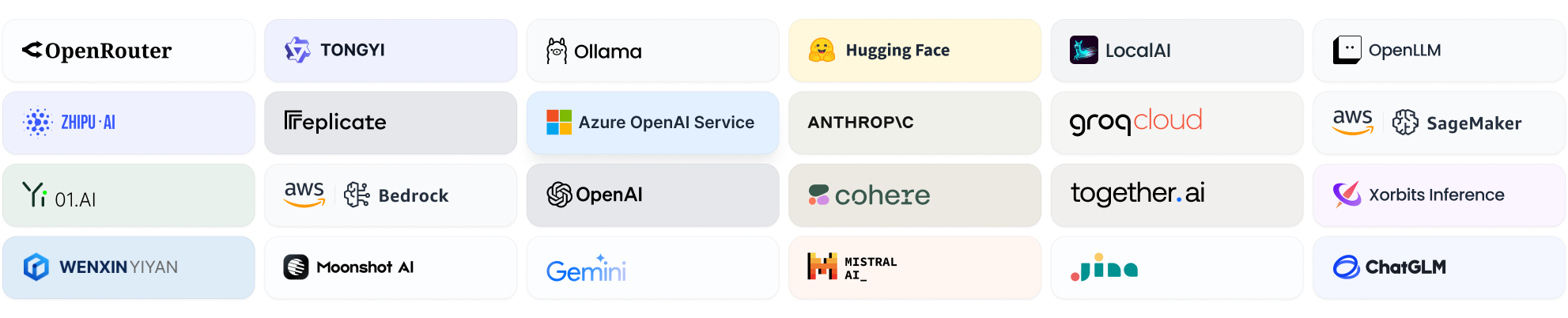
What it is good for. A small team that has proved an AI idea in a notebook and now has to run it properly. Assembling that stack yourself means choosing an orchestration library, a vector database, a prompt store and a monitoring layer, and then rebuilding the lot when the prototype becomes a product. Dify is one deployable unit that covers all of it, and because it abstracts over model providers, a workflow can be pointed at a different model without being rewritten.
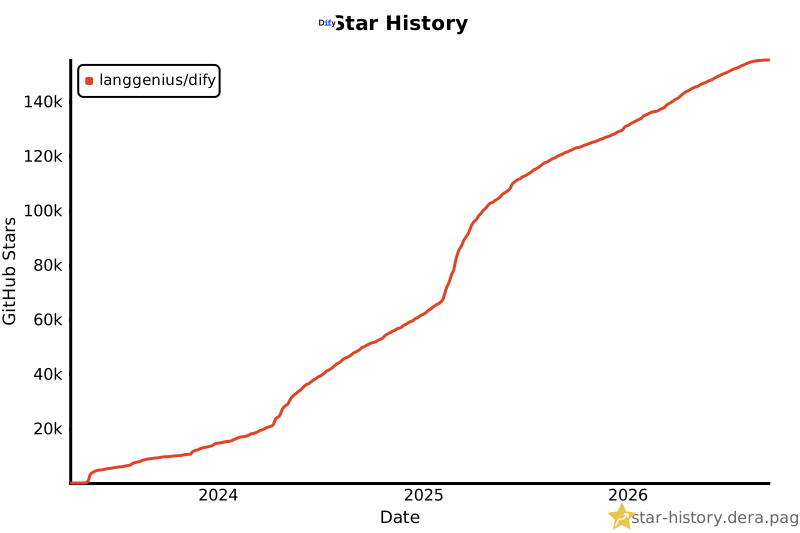
- Very large and very active. About 156,000 stars, started in April 2023, code landed on 17 September 2026, on a stable 1.x release line.
- Genuinely full-stack. Model routing, document search, tools, monitoring and an API arrive together, so a team integrates one project rather than five.
- Self-hosting is a first-class path, with a documented quick start and a stated minimum of 2 processor cores and 4 GB of memory.
- The licence is the trap, and the sidebar does not show it. GitHub summarises it as Apache 2.0. The LICENSE file is the "Dify Open Source License", which is Apache 2.0 with conditions added. It says plainly that "you may not use the Dify source code to operate a multi-tenant environment" without written permission, and that "you may not remove or modify the LOGO or copyright information in the Dify console or applications". Running a service for other people on it, or putting your own name on the screen, needs a commercial agreement.
- The stated 4 GB of memory is a floor, not a working figure. The bundled stack runs the API, a worker, the web front end, a database, Redis and a vector store together, so real use sits well above that. No disk figure is published at all.
- Two ongoing costs. Every model call is billed to your own provider keys, and a 1.x release every few weeks against a live database means database migrations to manage at each upgrade. Docker Compose version 2.24.0 or newer is a hard requirement that older systems do not ship.
- langflow-ai/langflow
155,294 stars, the same drag-and-drop idea with a stronger focus on experimenting and a lighter operations story.
Track this in Scout  n8n-io/n8n
about 206,000 stars, a general automation tool that has grown AI steps; broader, and its licence is also not plain open source.
Track this in Scout- FlowiseAI/Flowise
55,461 stars, smaller and simpler to stand up, with less around it once an application has real users.
Track this in Scout
git clone https://github.com/langgenius/dify.git
cd dify/docker
cp .env.example .env
docker compose up -d