32055 stars · MIT with an ADDED PREAMBLE plus the SigNoz Enterprise License — see notes; NOT plain MIT · v0.144.0 of 2026-09-29; pkg.go.dev dates the same tag 2026-09-28, a one-day module-proxy disagreement, both 2026 · Track this in Scout
An OpenTelemetry-native platform for logs, metrics and traces, built on ClickHouse, with application performance monitoring built in.
▶Repo detailsthe review · specs · pros & cons · install
What it is
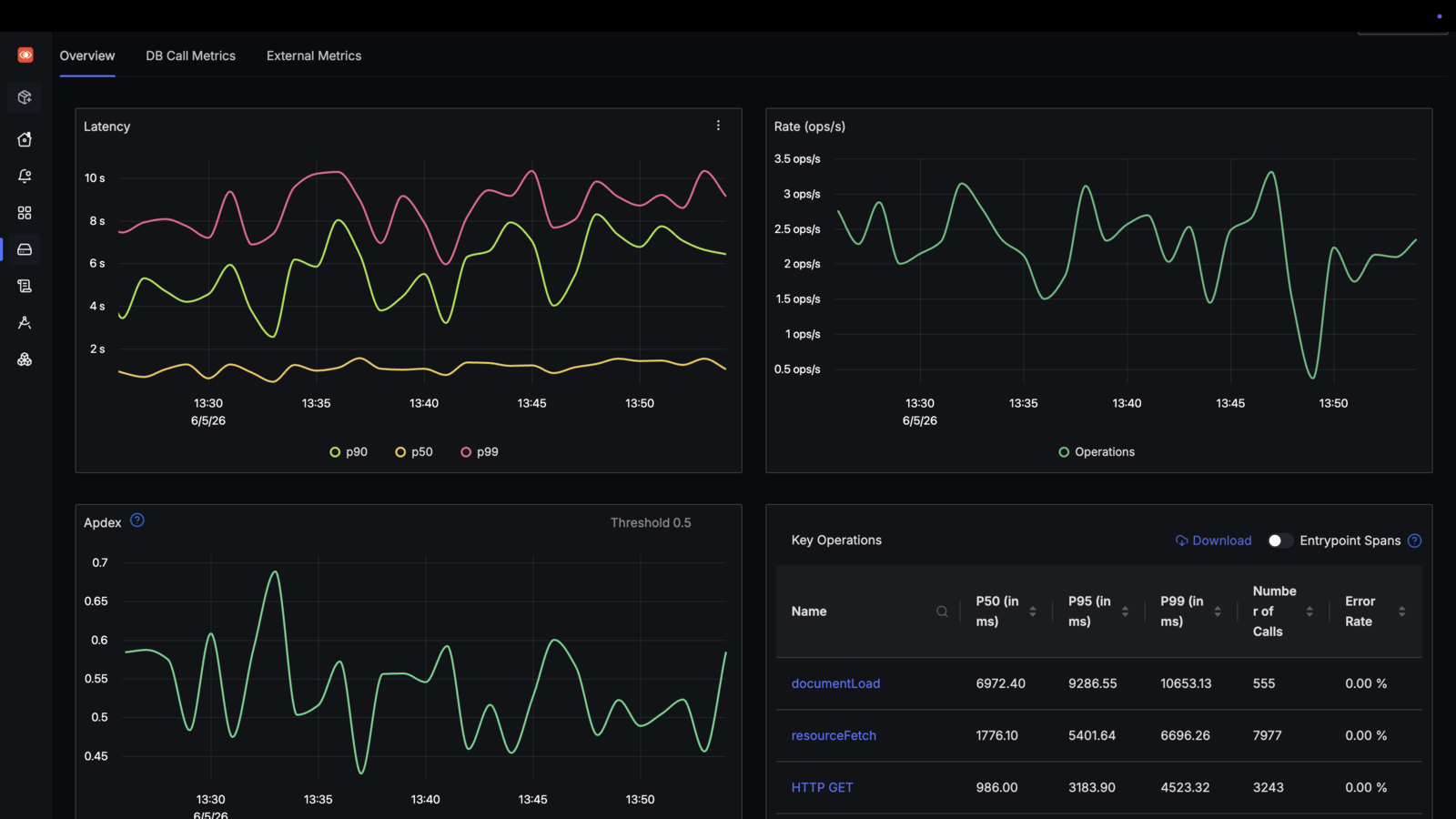
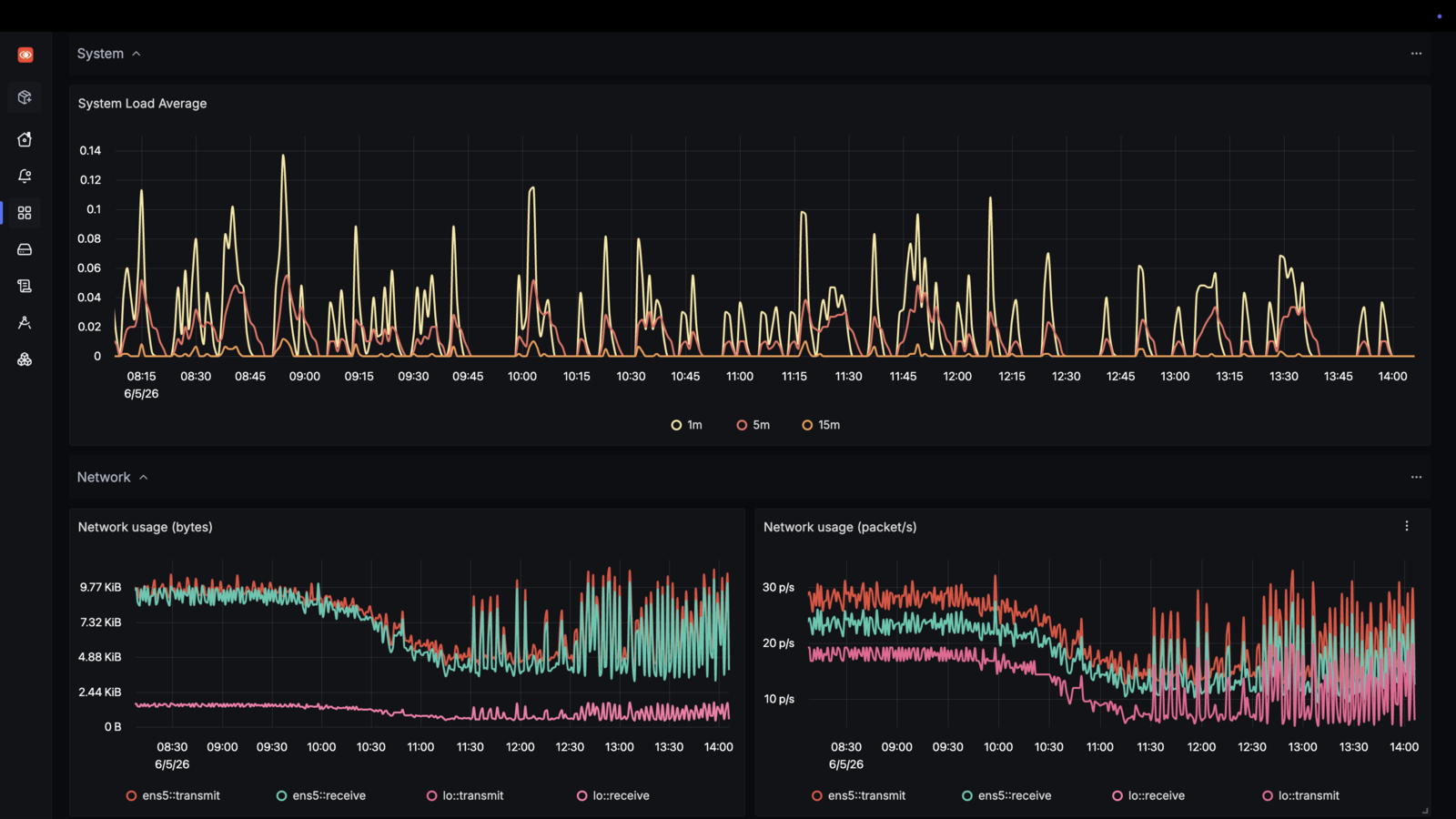
A monitoring platform at 32,055 stars that stores everything in ClickHouse, a database built for very large numbers of records, and presents application performance, request tracing, log searching and alerting in one place. It is designed around OpenTelemetry, the common standard programs use to report what they are doing.
What it is good for. Anyone paying by the gigabyte to a monitoring service and wondering what it would take to hold the same data themselves. It is also the right shape when a slow request has to be followed across several services, because the log lines and the timings are joined rather than searched separately.
- One tool instead of three. Logs, numbers and request traces normally mean three separate systems to install and keep patched.
- It takes data in the common standard form, so a program already reporting to a paid service usually needs only a new address.
- Very active: version 0.144.0 was published on 29 September 2026, one day before this edition.
- The licence needs reading, and the phrase "open source" needs a qualifier. The licence file in the root is MIT, but it is not the plain MIT text: a paragraph has been added above it stating that everything under the
ee/andcmd/enterprise/folders is covered by a different licence instead. That second file is the SigNoz Enterprise License, and its own words are that the software "may only be used in production, if you have agreed to, and are in compliance with, the SigNoz Subscription Terms of Service", with a licence for the right number of user seats. Copying and testing are allowed; production use of those folders is not. Go's own package index independently marks the whole project's licence as unknown and not redistributable because of it. - Four gigabytes of memory allocated to the container system is stated as the minimum, and that is a floor rather than a working figure. No processor or disk figure is published at all, which matters, because the database underneath is the part that fills a disk as data is kept.
- The documented install now downloads a script from the vendor's website and runs it in a shell. The older route of fetching the repository and starting it with a compose file is no longer what the documentation hands you.
- 1,200 open issues and 366 open pull requests. Single sign-on, fine-grained permissions, custom retention and the compliance features are in the paid tiers, not in the MIT part.
 openobserve/openobserve
The same three kinds of data in one program with a much smaller memory floor, but a smaller feature set for following a single request across services.
Track this in Scout- grafana/k6
Not a replacement: it makes the traffic rather than watching it, and the two are often installed together.
Track this in Scout  PostHog/posthog
Watches what people do inside a product rather than what the servers underneath are doing, so it answers a different question in a similar shape.
Track this in Scout
curl -fsSL https://signoz.io/foundry.sh | bash
foundryctl cast -f casting.yaml