
The AI Workflow Stack Behind GRASPPY (And Why Simple Wins)

The real bottleneck wasn’t code
Continuity became the actual problem
I started overengineering GRASPPY before GRASPPY even fully existed, turning what should have been a simple ai workflow into an infrastructure nightmare. The real issue wasn’t the code itself—it was ai memory, or rather, the complete lack of it.
That sounds dramatic, but I think a lot of solo founders quietly drift into the same trap. Especially now that AI can generate code faster than we can think through architecture decisions.
One day you’re building a useful feature. The next day you’re comparing queue systems at 1:30 AM while drinking your fourth coffee and convincing yourself that “future scalability” is a real problem for your 12 beta users.
I realized I was spending more time fighting infrastructure complexity and losing AI context than actually building the product itself.
That was the turning point.
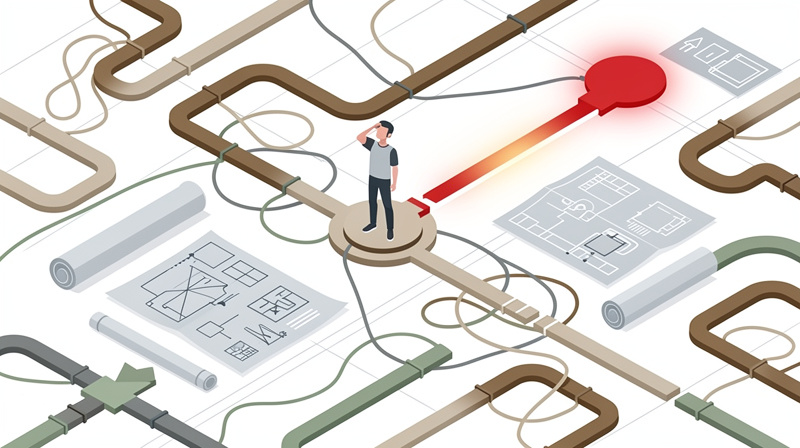
The truth is, my problem was never code generation. Claude could already generate more claude code than I could reasonably review in a day. The problem was continuity.
The conversations themselves became the work.
I wasn’t losing code. I was losing my own thinking.
I’d have a long architecture session with ChatGPT or Claude, close the tab, come back three days later, and suddenly I couldn’t find the exact reasoning that led to a decision. I would remember the shape of the answer, but not the actual answer itself.
So I’d rebuild the reasoning from scratch.
Again. And again. More times than I want to count.
It felt like a strange AI version of Groundhog Day where the chatbot forgot everything overnight, except instead of Bill Murray it was cognitive exhaustion and missing context windows.
That was the actual problem I needed to solve for effective development workflows.
Not Kubernetes.
Most Solo Founders Do Not Need Startup Architecture
Architecture started replacing product work
I spent years around enterprise systems, engineering processes, and large organizations. That background is useful, but it also creates a weird psychological trap when you start building alone.
You know how complex systems are supposed to look.
So you start adding things that feel “professional.”
Microservices. Container orchestration. Event systems. Distributed pipelines. Observability stacks. Five layers of abstraction protecting you from problems you don’t actually have yet.
Meanwhile your actual product still can’t reliably solve the user’s core pain. That trade-off became painfully obvious while building GRASPPY. The platform supports 16+ AI systems through the extension layer. It processes AI conversations, structured outputs, semantic workflows, AI analysis pipelines, Markdown publishing, blog generation, and long-running extraction tasks.
On paper, this sounds like the kind of system people immediately assume requires “real infrastructure.” It doesn’t. The architecture that actually shipped is surprisingly small. And honestly, I think smaller systems compound faster because the founder understands every moving part of their ai workflow.
Scar tissue beats borrowed wisdom every time.
The two-tier architecture ended the infrastructure spiral
The biggest architectural decision I made was deciding NOT to keep adding architecture.
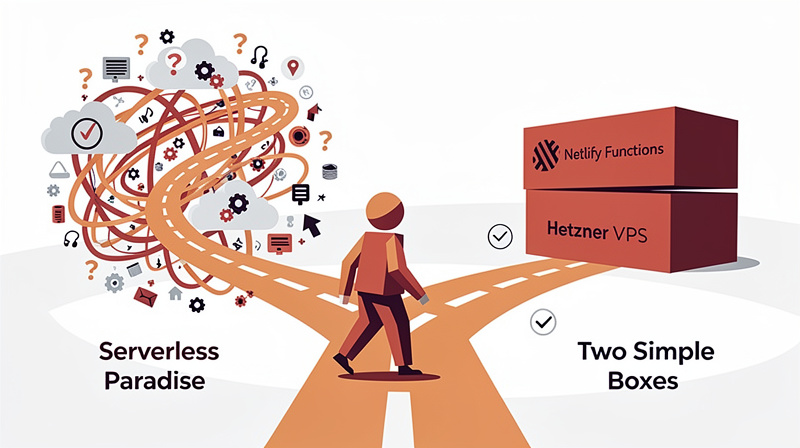
GRASPPY runs on two primary layers:
- Netlify Functions for short-lived operations
- One Hetzner VPS running Express + PM2 for long-running AI workflows
That’s it.
The original plan was fully serverless. It sounded elegant. It also started breaking the moment AI workflow processing became long-running processes instead of quick API calls. Netlify’s Lambda execution limit forced the issue. Some AI processing jobs simply take longer than serverless functions comfortably allow. Instead of building a distributed orchestration system, I added one VPS.
One VPS is enough.
That sentence probably sounds ridiculous to people deep in startup Twitter architecture culture, but the math kept proving itself over and over again. The moment I stopped chasing architectural purity, development speed accelerated immediately.
No orchestration layer. No container cluster. No queue complexity. No ai memory management overhead. No infrastructure designed primarily to impress other developers.
Just enough architecture to support the product. That distinction matters more than most people realize.
AI Workflow Integration Changed The Way I Build Applications
Claude Code stopped being a tool
At some point, Claude Code stopped feeling like an assistant and started feeling like part of the development environment itself.
That sounds strange until you spend enough time building this way.
Traditional development separates:
- planning
- coding
- documentation
- architecture discussions
- debugging
AI-native development collapses those boundaries into one continuous conversational workflow. The AI is helping write code, reason through architecture, generate docs, review edge cases, rewrite logic, compare approaches, and occasionally create disasters for quality assurance purposes.
I shipped 47 deploys last month. Three were on purpose. The hidden cost of this workflow is that context becomes everything. Once your project exists across hundreds of conversational threads, preserving continuity becomes more important than generating code quickly. That realization shaped GRASPPY more than any technical decision.
AI could generate intelligence. None of the platforms were designed to preserve it as memory for ai assisted software development. That sentence became the entire company.
GRASPPY slowly became the system used to build GRASPPY
This part happened accidentally.
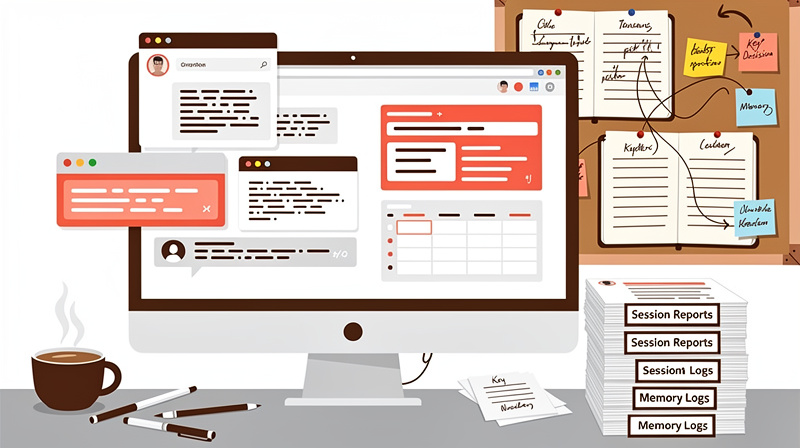
I originally built pieces of the system because I personally needed them to stay sane while building with AI. Session closure reports appeared because restarting chats every morning became unbearable. Structured outputs appeared because important architectural decisions kept disappearing into old conversations. Memory systems appeared because I needed continuity between long-running AI projects.
The blog system started as internal documentation. GRASPPY Studio originally existed only as a private ai workflow for publishing and organizing ideas. Eventually I realized it was useful enough to expose publicly.
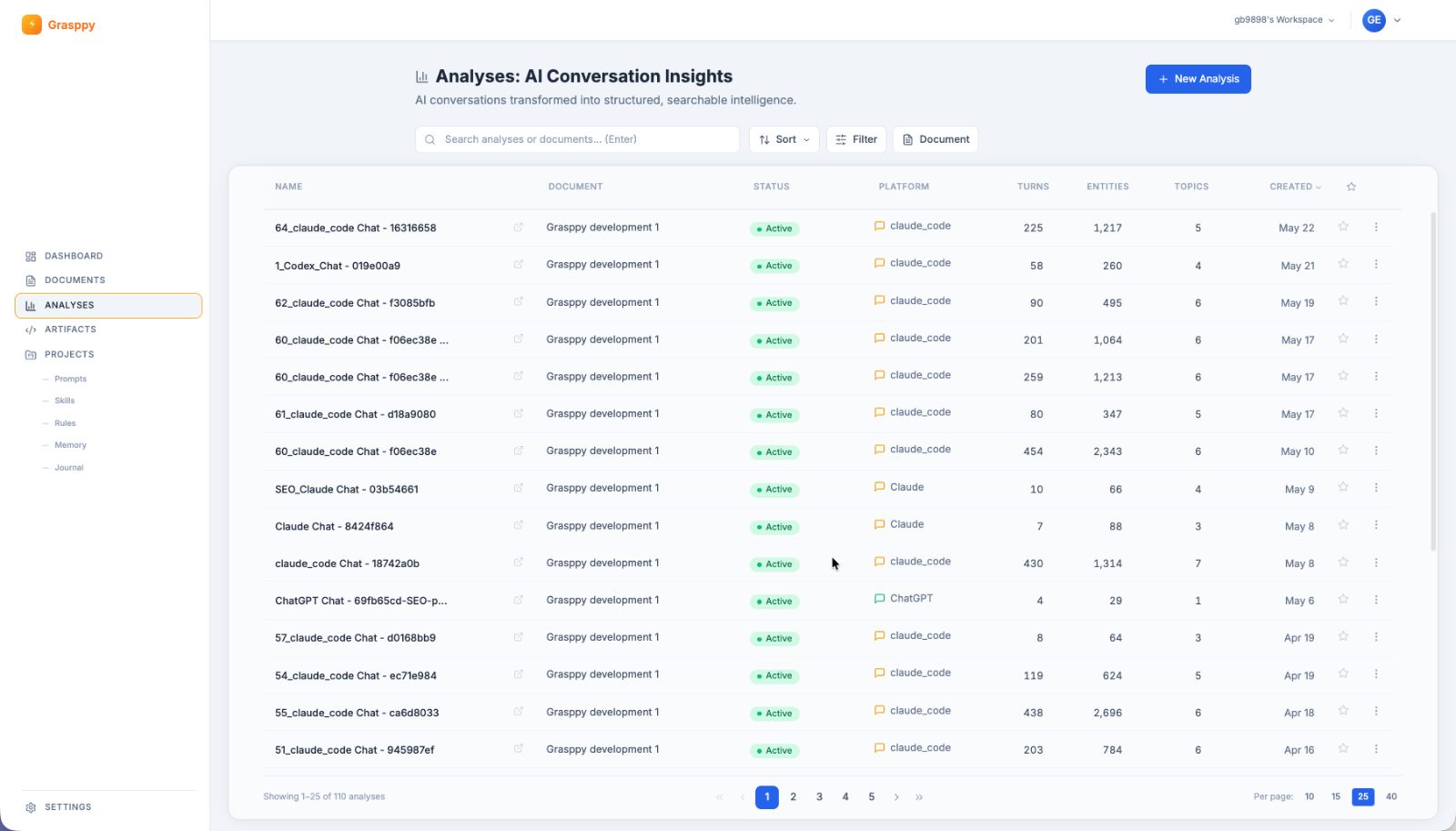
Then something strange happened. GRASPPY itself became the memory system used to build GRASPPY. Architecture decisions started feeding back into the product. Prompt systems became reusable assets. AI workflows generated new workflows. Documentation became searchable. The conversations themselves became persistent project intelligence.
That recursive loop changed the direction of the entire platform. The product stopped feeling like “chat management.” It started feeling more like infrastructure for AI-native work, where claude code conversations could evolve into lasting project assets.
The Stack Is Smaller Than People Expect
Simple technologies are underrated
I think modern software culture sometimes confuses complexity with seriousness.
The stack behind GRASPPY is intentionally boring in a lot of places.
React + Vite on the frontend. Astro for the blog. PostgreSQL as the source of truth. Plain HTML + CSS for marketing pages. Vanilla JavaScript for the Chrome extension. Netlify Functions for lightweight APIs.
No exotic frameworks, no over-engineering, no chasing the new hotness. I chose Vite because it gave me fast iteration and “no webpack drama.” That was honestly enough reason. The marketing pages intentionally avoid framework complexity because static pages do not need application architecture pretending to be philosophy. The extension is plain JavaScript because extraction logic mattered more than abstractions. The database is PostgreSQL because PostgreSQL quietly solves an enormous number of problems if you let it, including ai memory storage and retrieval.
I also deliberately avoided a separate CMS because GRASPPY Studio is the CMS.
That decision created tighter coupling, but it also forced me to dogfood the ai workflow every single day. The product improved much faster because of it.
Complexity compounds faster than code
One of the biggest misconceptions about solo AI startups is that claude code generation is now the limiting factor.
It isn’t.
Complexity management is the limiting factor. AI can generate systems faster than humans can responsibly maintain them. That changes the entire equation for any ai assisted software development workflow. The more moving parts you introduce:
- the harder debugging becomes
- the harder continuity becomes
- the harder onboarding yourself becomes six months later
People underestimate this last part. Future-you becomes another developer on the team eventually. And future-you has terrible memory. I know because I’ve met him repeatedly at 2 AM while staring at architecture decisions I no longer recognized.
What I Deliberately Avoided
Some “best practices” are organizational practices
A lot of startup engineering advice quietly assumes:
- multiple teams
- multiple developers
- organizational complexity
- handoffs
- internal politics
- scaling headcount
Solo builders copy those patterns long before they need them.
I deliberately avoided:
- Kubernetes
- container orchestration
- microservices
- Auth-as-a-Service
- queue systems I didn’t actually need
- framework abstractions inside the extension
- infrastructure designed around hypothetical scale
That doesn’t mean those tools are bad.
It means they solve problems I do not currently have.
Most “best practices” in startup engineering were designed for organizations, not solo builders working on projects like ai memory tools or claude code integrations. The same applies to ai workflow optimization — most advice assumes team coordination rather than individual productivity.
That distinction matters enormously.
The database incident changed my thinking permanently
I had one moment during development that permanently changed how I think about AI-assisted systems. I asked Claude to help clean up a project structure. It interpreted “cleanup” as deleting the parent row. CASCADE foreign keys handled the rest beautifully. About a week of documentation disappeared almost instantly across multiple parts of the system. The database worked correctly. The procedure was missing.
That sentence lives in my head permanently now. Schema correctness is not user safety. AI-native workflows require different guardrails because conversational intent is ambiguous far more often than people admit. That incident pushed me toward much stricter confirmation systems and ai workflow checkpoints later.
Sometimes the painful lessons become the architecture decisions.
The Real Goal Was Maintaining Continuity
AI memory matters more than people think
I think the industry still underestimates how psychologically exhausting fragmented AI workflows actually are. When you work with AI occasionally, context loss is annoying. When AI becomes your primary collaborator, context loss becomes operational damage.
You lose:
- reasoning
- assumptions
- architecture discussions
- edge-case discoveries
- debugging paths
- failed approaches
- invisible project history
Losing conversations with AI is psychologically equivalent to losing your own thinking. When your claude code sessions get fragmented, you’re not just losing chat history — you’re losing your mental model.
That’s the real category I accidentally ended up building for.
Not chat export. Not summaries. Not productivity.
Continuity.
Preserving continuity became more important than maintaining architectural purity. That realization simplified almost every major ai assisted software development workflow decision afterward.
The stack exists to support the workflow
I don’t think people care what framework you use nearly as much as developers think they do.
Users care whether the system:
- preserves their work
- stays understandable
- remains reliable
- evolves carefully
- avoids unnecessary friction
The stack only matters if it helps achieve those outcomes. That’s why GRASPPY intentionally favors maintainability over architectural theater. I wanted an ai workflow I could fully understand, fully debug, and continuously evolve as a solo founder. Because the truth is, I’m not ready to retire. And free time usually turns into another project somehow. I’d put a CTA here, but my ADD already moved on to the next thing — probably something involving ai memory optimization.
The Stack Behind Grasppy
GRASPPY is intentionally built with a small, pragmatic stack focused on maintainability and fast iteration.
Core Technologies
- React + Vite
- Astro
- PostgreSQL
- Netlify Functions
- Express
- Cloudflare R2
- Vanilla JavaScript (Chrome Extension)
AI Layer
- Claude
- OpenAI
- OpenRouter
Infrastructure
- Netlify
- Cloudflare
- Hetzner VPS
Development Workflow
- Claude Code
- GitHub
No exotic frameworks, no over-engineering, no chasing the new hotness.
The goal was never to build “startup architecture.” The goal was to build a system that preserves AI conversations, reduces workflow friction, and stays understandable enough for one person to continuously evolve over time.
Ironically, the process of building GRASPPY became the reason GRASPPY exists in the first place. The conversations themselves became the work. And once that happened, preserving continuity mattered more than everything else.
Related posts
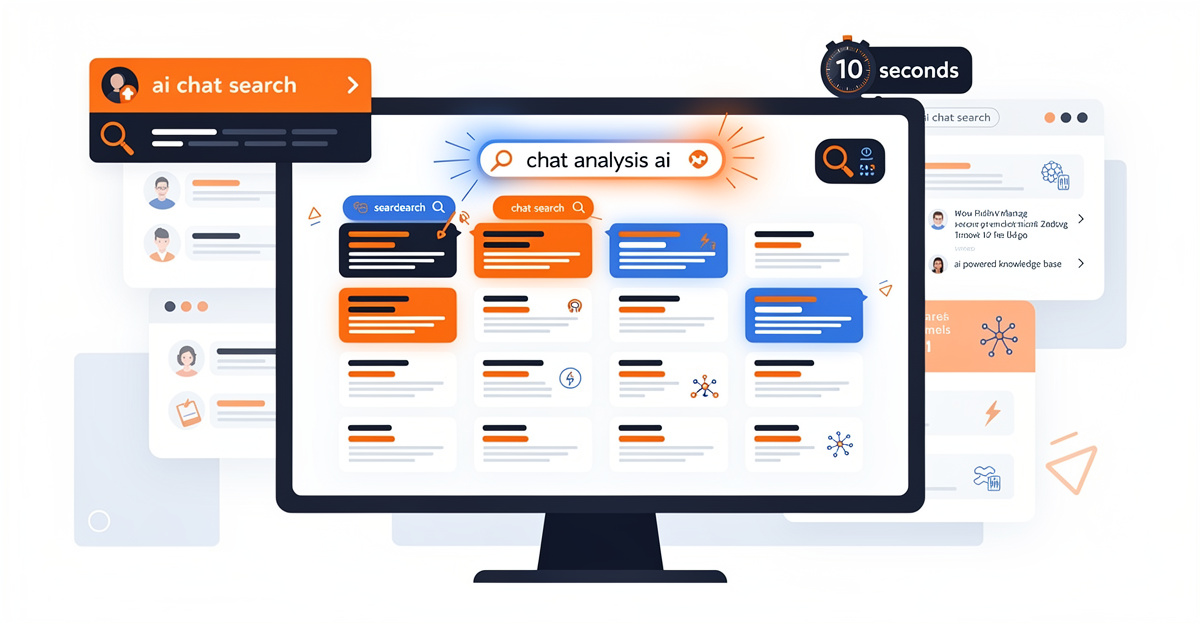
Chat Analysis AI: Six Months of Chats - Any Answer In 10 Seconds
Learn why chat analysis AI matters for organizing your conversations. Discover how to search and preserve your AI chats instead of losing valuable insights.
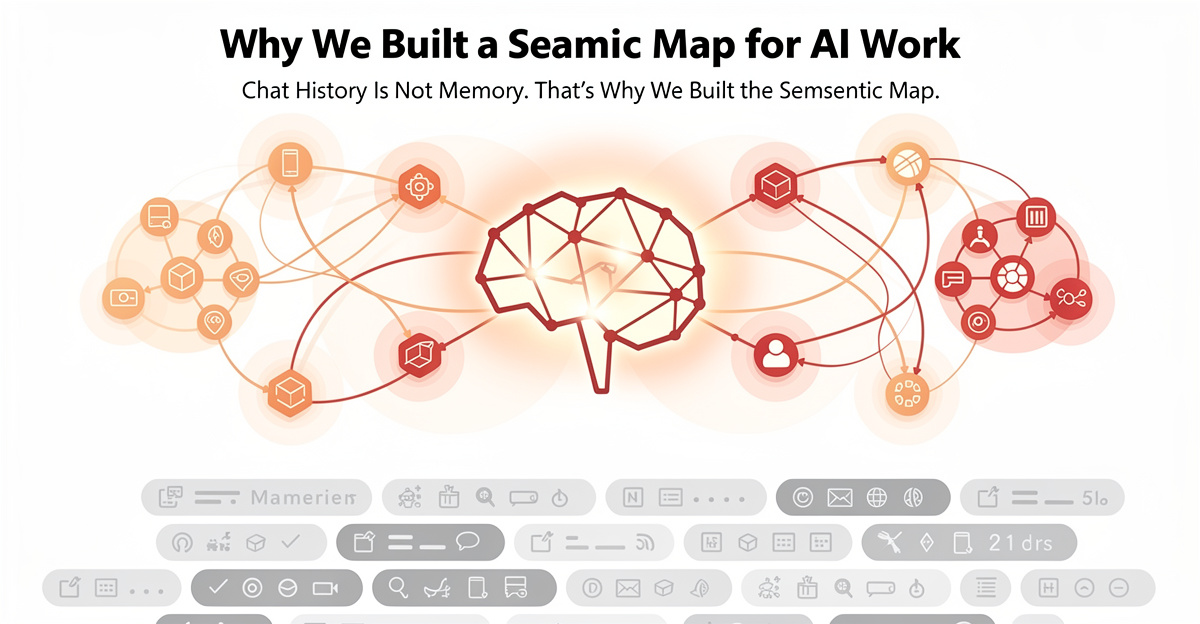
Why We Built a Semantic Map for Your AI Brain
See why we built a semantic map to power your AI brain. Organize semantic memories, surface connections instantly, and work smarter with structured knowledge.
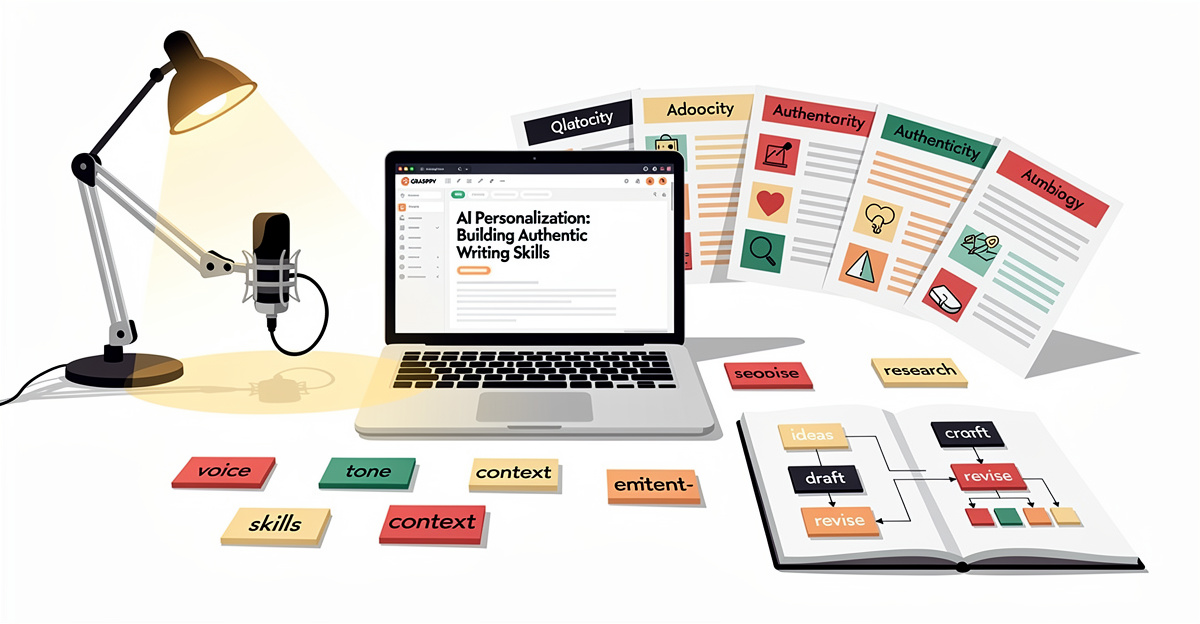
AI Personalization: Building Authentic Writing Skills
Master AI personalization with Claude skills to create authentic, human-like writing that connects with your audience. Improve your ai personalization today.
 Powered by GRASPPY