35.6k stars · AGPL-3.0 · v2.23.0 (2026-08-04) · Track this in Rising ↗
Self-hosted Buffer — schedule one piece of content to 13 platforms including YouTube, X, LinkedIn, Reddit.
Radar check
What we found when we opened it. Every bar is one fact, with its date.
Last code pushed 24 Oct 2026, 3 days before this check.
Latest release v2.25.3 on 24 Oct 2026.
Public since July 2023, a little over 3 years.
37,843 stars and 7,394 forks.
747 commits and 91 new issues in the last 90 days.
75 contributors. 238 pull requests merged in 90 days.
A security policy says how to report a problem. 19 published security advisories.
How the bars are scored
- Alive. Days since the last code push: a week or less 100, a month 90, three months 70, six months 50, a year 30, eighteen months 15, older 0.
- Releases. Age of the latest GitHub release, on a similar scale; no bar when the project publishes no releases.
- Maturity. Age of the project: eight years 100, five 90, three 70, two 55, one 40, six months 25, younger 10.
- Adoption. Stars on a log scale: 100,000 stars is 100, 10,000 is 80, 1,000 is 60, 100 is 40.
- Activity. Commits in the last 90 days: 300 or more 100, 100 85, 30 65, 10 45, any 25.
- Community. People who have contributed: 100 or more 100, 30 80, 10 60, 5 40, 2 25, one 10.
- Security. A published security policy 80, none 40; published advisories are listed, not scored.
Checked by Repo Radar on 26 Oct 2026 from the repository on GitHub. Covered in Edition 1.
▶Repo detailsthe review · specs · pros & cons · install
What it does
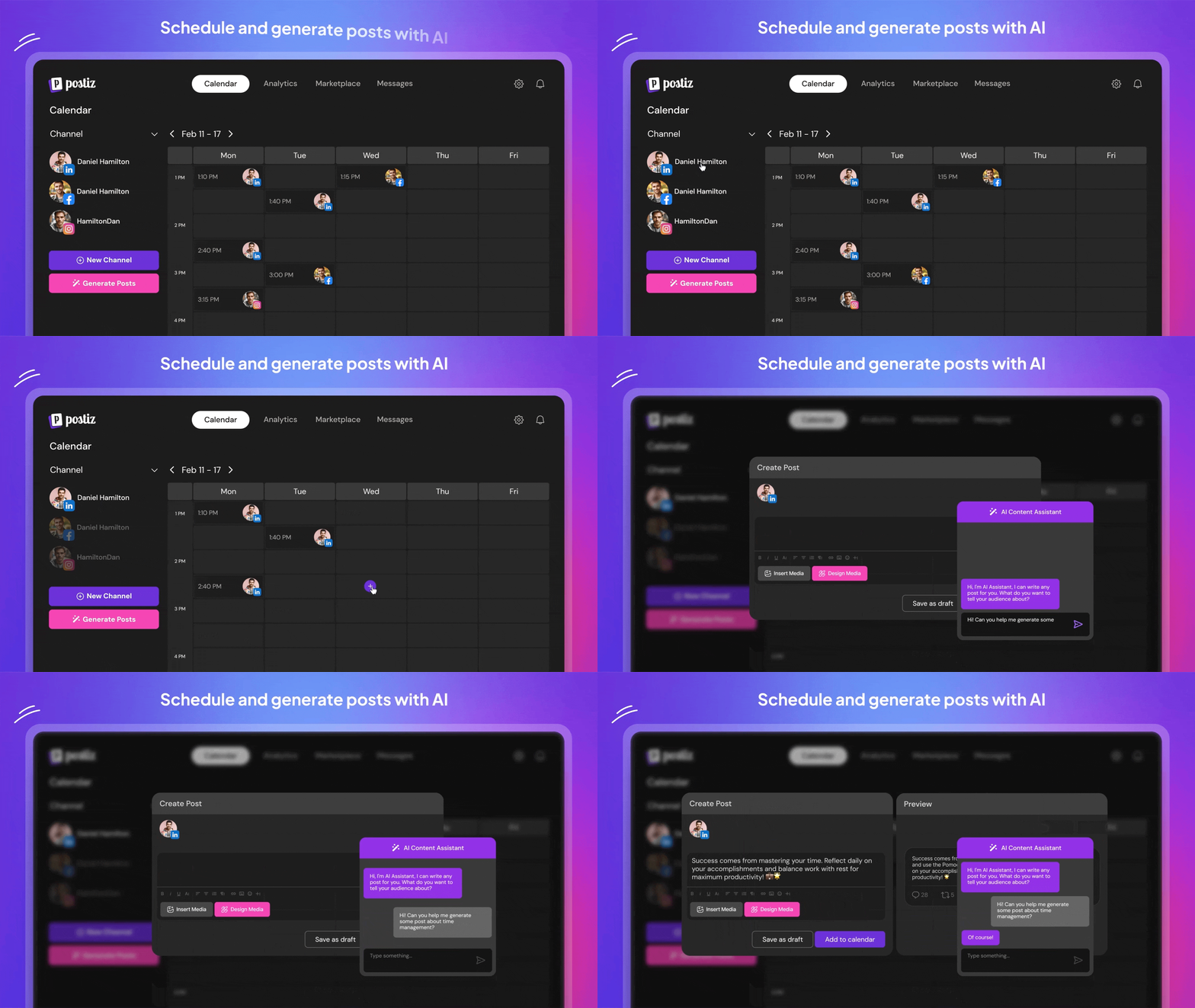
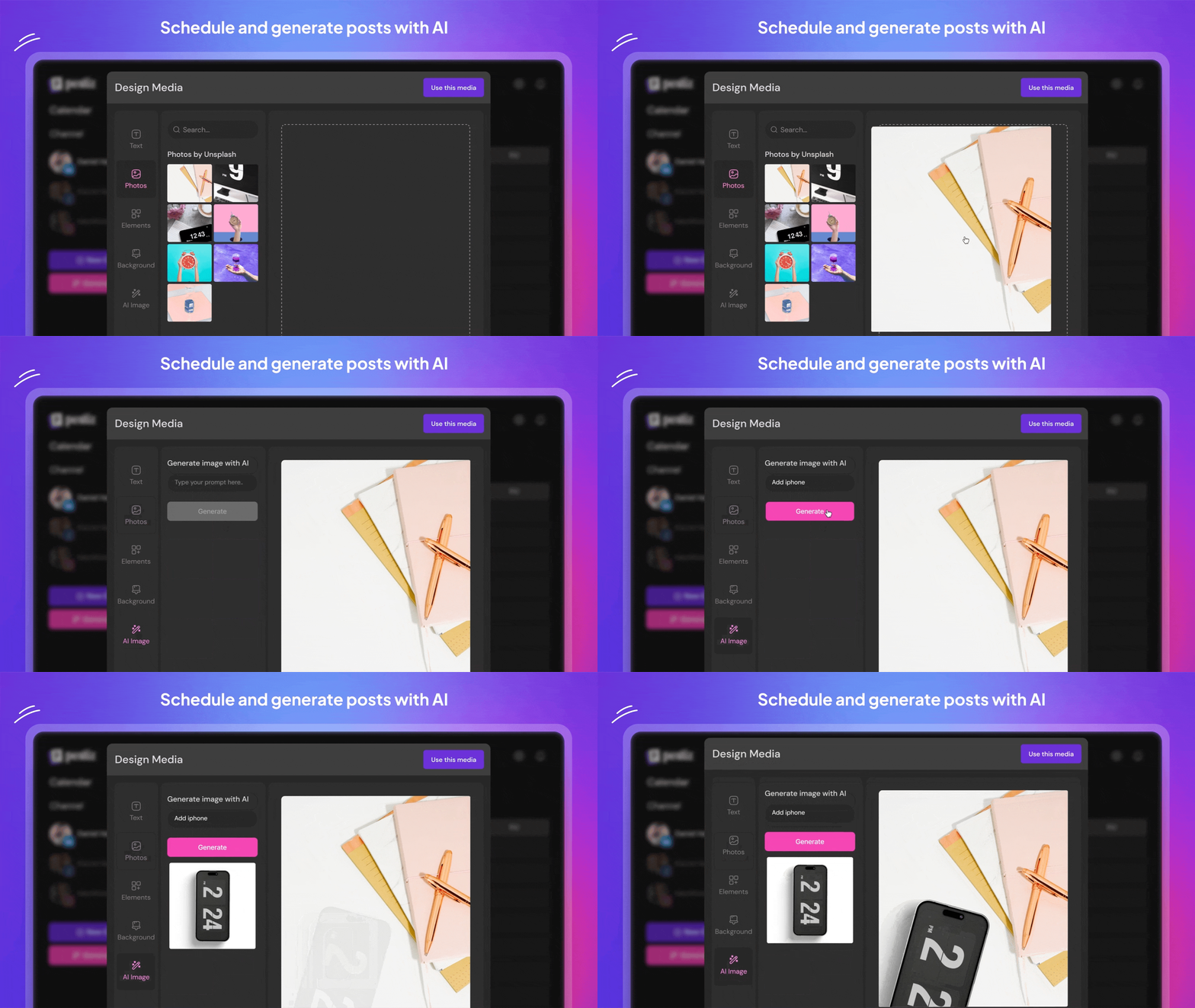
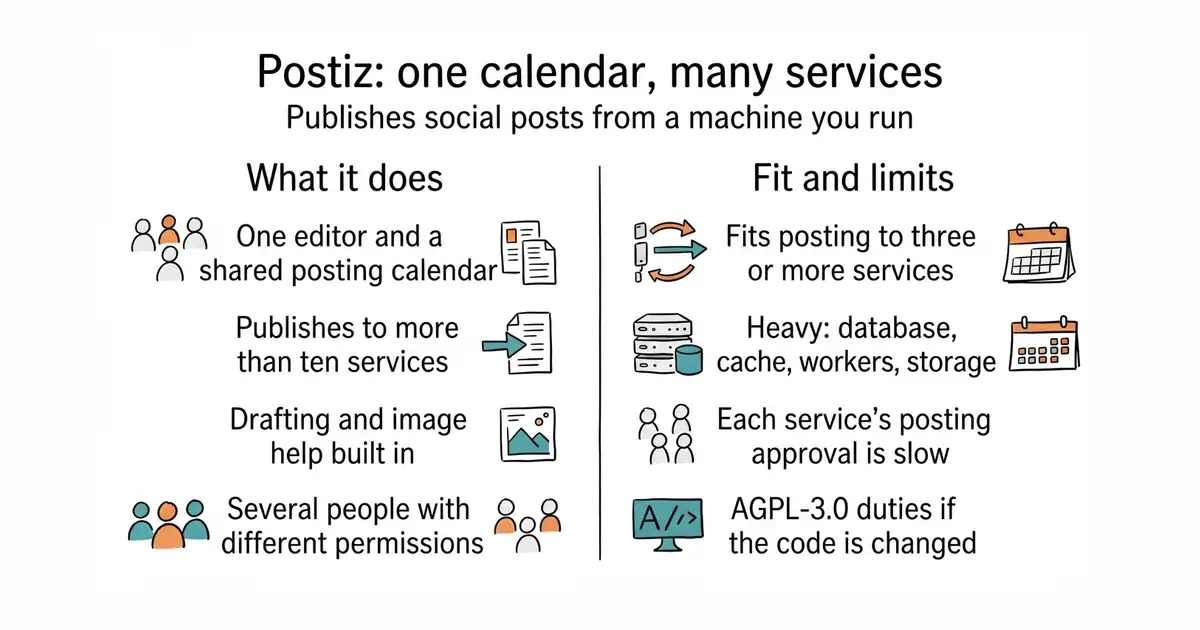
You connect accounts on the services it supports, which include X, LinkedIn, Reddit, YouTube, TikTok, Instagram, Threads, Bluesky, Mastodon and more. You then write posts in one editor and place them on a shared calendar, and it publishes each one at the time you chose. It has assistance for drafting and for generating images, and it can be used by several people with different permissions. Behind it sit PostgreSQL, Redis, a workflow service and file storage. There is a paid hosted version from the same company. What it does not do is get you permission: each social service has its own approval process for programs that post on a user's behalf, and the repository does not shorten that. The README gives no install commands and sends you to a separate quick-start guide.
Why it matters
Who it suits. Anyone publishing regularly to three or more services who currently does it by hand. The benefit is consistency rather than cleverness: queueing a month of posts in one sitting is worth more than any individual trick. It suits a small team, because several people can share one calendar. Skip it if you post to one service, because that service's own scheduler is free and already there. Skip it too if the machine available is small, because this is a heavy set of services to keep running.
Verdict. Worth an evening if cross-posting has already become the thing that gets skipped. At 36,969 stars it is the best-known free scheduler of its kind, version 2.25.1 was released on 11 October 2026, and code landed on 9 October 2026, so it is actively developed and a company stands behind it. Three things to weigh before installing. The real work is not the software: approval from X and TikTok in particular is slow and sometimes refused, and until it arrives those parts of the calendar do nothing. The AGPL-3.0 licence brings obligations if you ever expose a modified copy to other people, so read it if you plan to change the code. And check the memory on the machine first, because PostgreSQL, Redis, a workflow service and the application itself add up. The smaller alternative is inovector/mixpost, which is MIT licensed and lighter.
Summary (Key Points)from the README
Key features
- Multi-channel scheduling: Schedule and automate posts across social channels, with calendar views, cross-posting, repeated posts, comments, delays, sets and signatures.
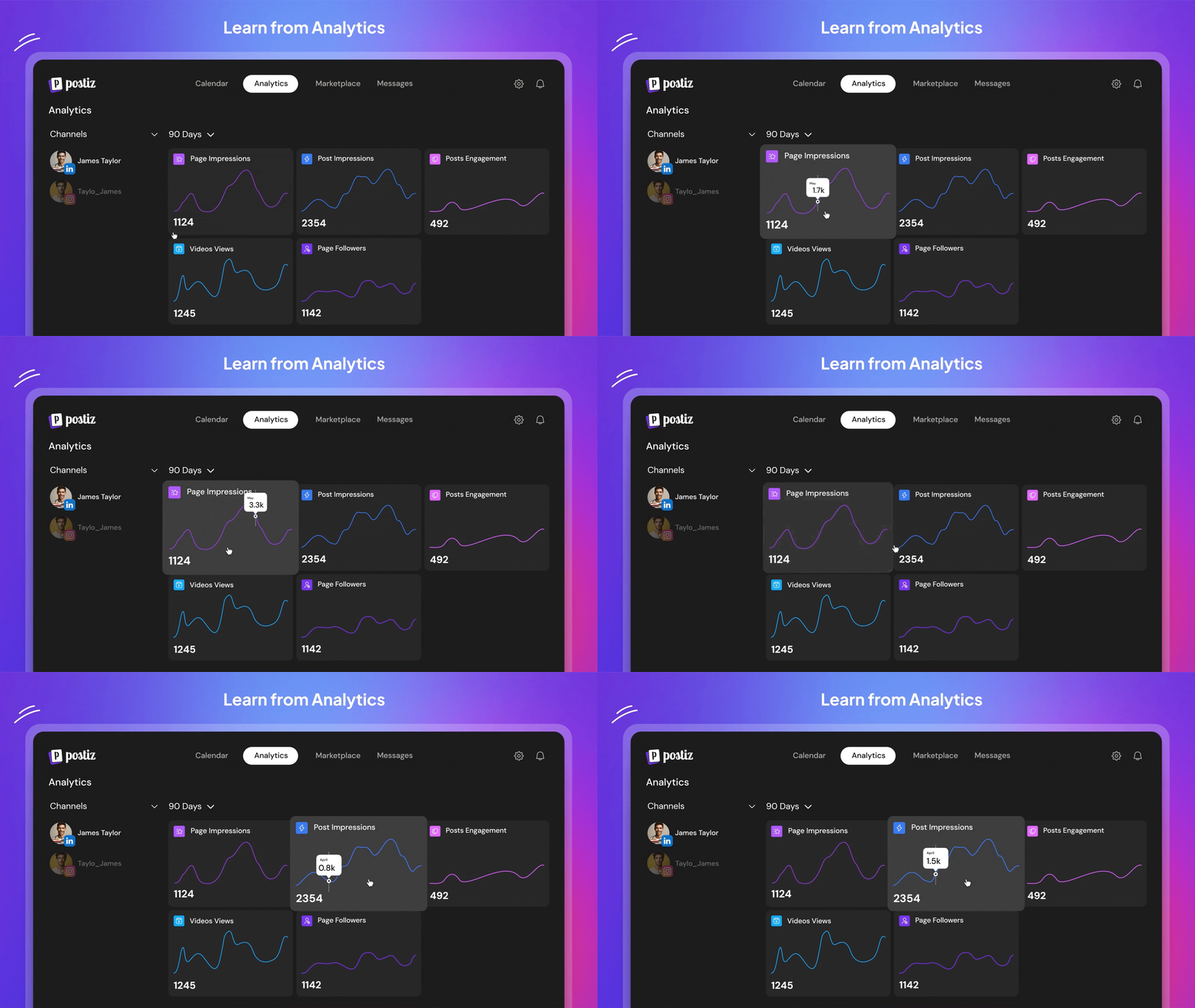
- Analytics: Measure content performance; on the self-hosted edition this requires your own app credentials with analytics scopes.
- AI tools: AI Copilot, AI images, AI videos, AI video clipping and a Smart Agent, available with monthly quotas on Cloud or with your own provider keys when self-hosted.
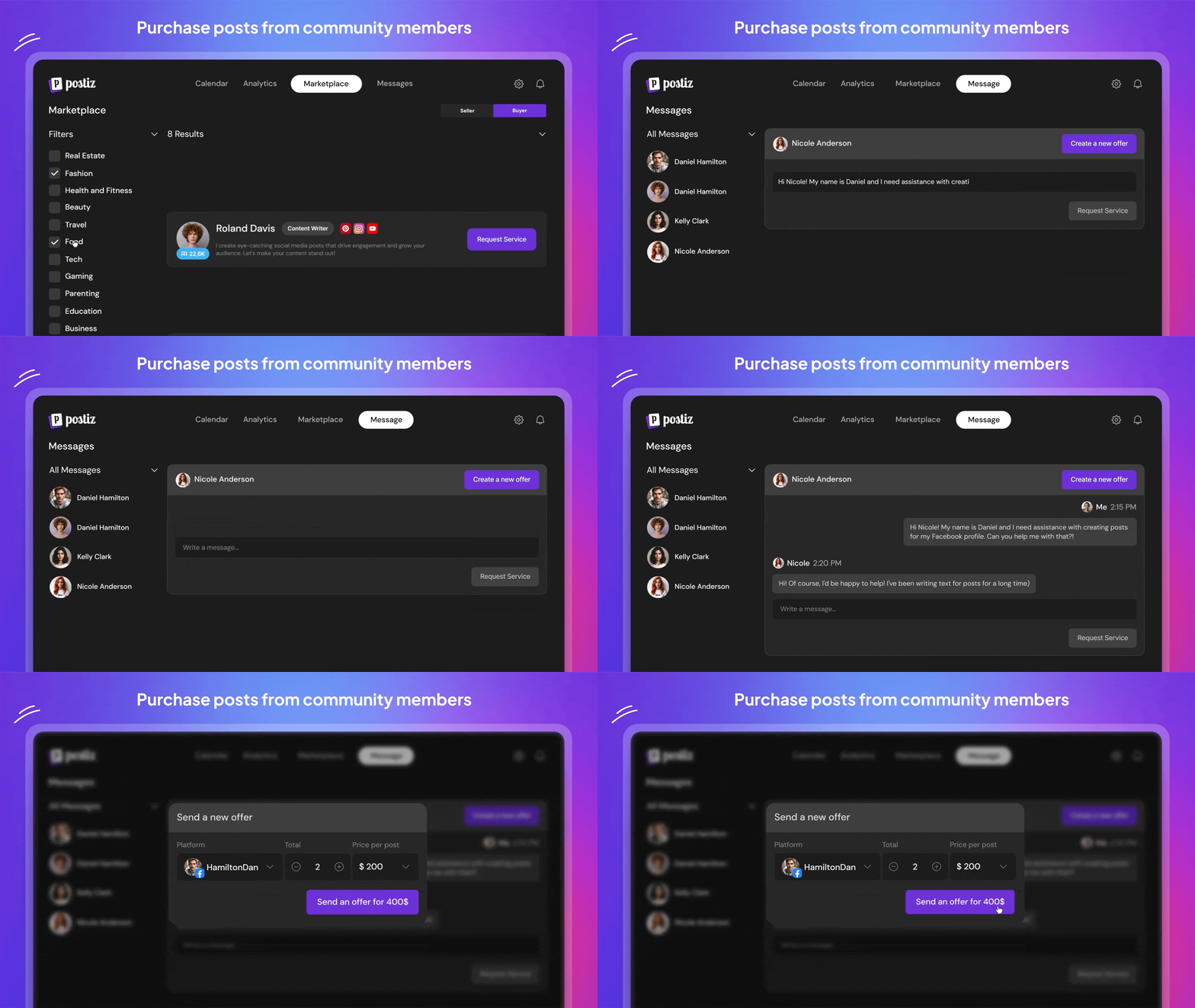
- Team collaboration: Invite team members to collaborate, comment, schedule posts and exchange or buy posts. Team size and channel count are unlimited on the self-hosted edition.
- Automation and API: A public API with webhooks, a NodeJS SDK, an N8N custom node and Make.com integration, plus compatibility with tools like Zapier.
- Agentic access: MCP, CLI and connectors for Claude, ChatGPT, Codex, OpenClaw and Cursor.
- Content sources: Internal and Global Plugs, RSS auto-post and customer groups.
- Tech stack: pnpm workspaces monorepo, Next.js, NestJS, Prisma defaulting to PostgreSQL, Temporal and Resend for email notifications.
Ways to install
| Platform or method | What it needs | Effort |
|---|---|---|
| Postiz Cloud (managed) | A subscription per plan, with a 7-day free trial | Low: sign up and connect channels in minutes |
| Self-hosted with Docker | Your own server, plus Postgres, Redis, storage and environment variables | Higher: you configure and maintain the infrastructure |
| Self-hosted with Coolify | Coolify, plus Postgres, Redis, storage and environment variables | Higher: you configure and maintain the infrastructure |
| Self-hosted with Railway | A Railway account, plus Postgres, Redis, storage and environment variables | Higher: you configure and maintain the infrastructure |
| Self-hosted on any VPS | Your own VPS, plus Postgres, Redis, storage and environment variables | Higher: you configure and maintain the infrastructure |
Important
- Self-hosting effort: The README says deployment can be hard at times and suggests letting an LLM handle it.
- Own developer apps: Self-hosted users must create their own developer apps on each platform and pass approval, which can take weeks for Meta, YouTube and TikTok.
- Own AI keys: On self-hosted installs, AI features need your own OpenAI or other provider keys, and you pay the provider directly with no quota.
- Maintenance is yours: Self-hosters pull new images, run migrations, and handle uptime, backups and security patches.
- Support: Self-hosted support is community-based on Discord and GitHub, while Cloud includes priority support per plan.
- Cloud limits: Channels, posts and team members are limited by plan tier on Postiz Cloud.
- License: The source code is licensed under AGPL-3.0.
Written by an AI model from the project’s README; not part of the review, and it can be wrong.
- The widest coverage of social services of any scheduler you can install yourself.
- Actively developed with a company behind it, and a release the day before this refresh.
- Running it yourself means adding another service costs no extra subscription.
- A heavy stack: PostgreSQL, Redis, a workflow service, storage and background workers.
- Getting posting permission from each social service is slow, tedious, and sometimes refused.
- The AGPL-3.0 licence brings obligations if a modified copy is ever made available to others.
git clone https://github.com/gitroomhq/postiz-app.git
cd postiz-app
cp .env.example .env
# fill in the database, cache, storage and service keys, then
docker compose up -d