21,692 stars · AGPL-3.0, with a separately licensed commercial Enterprise Edition for single sign-on and fine-grained permissions · v1.0.4 (2026-09-24T11:57:05Z, /releases/latest and ungh agree to the minute) · Track this in Scout
Logs, metrics, traces and browser monitoring in one Rust program that stores data in a compressed columnar format on cheap object storage.
▶Repo detailsthe review · specs · pros & cons · install
What it is
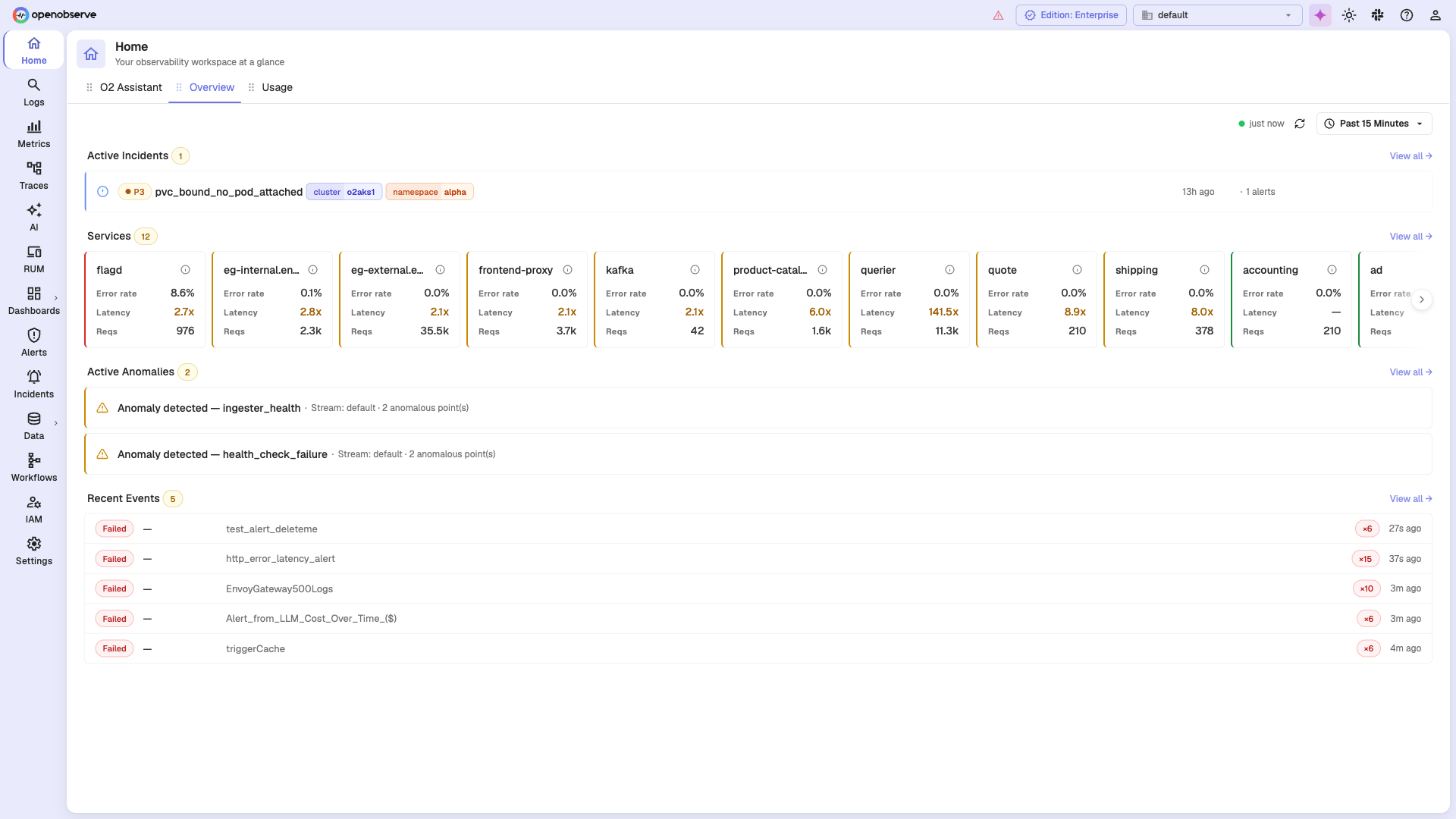
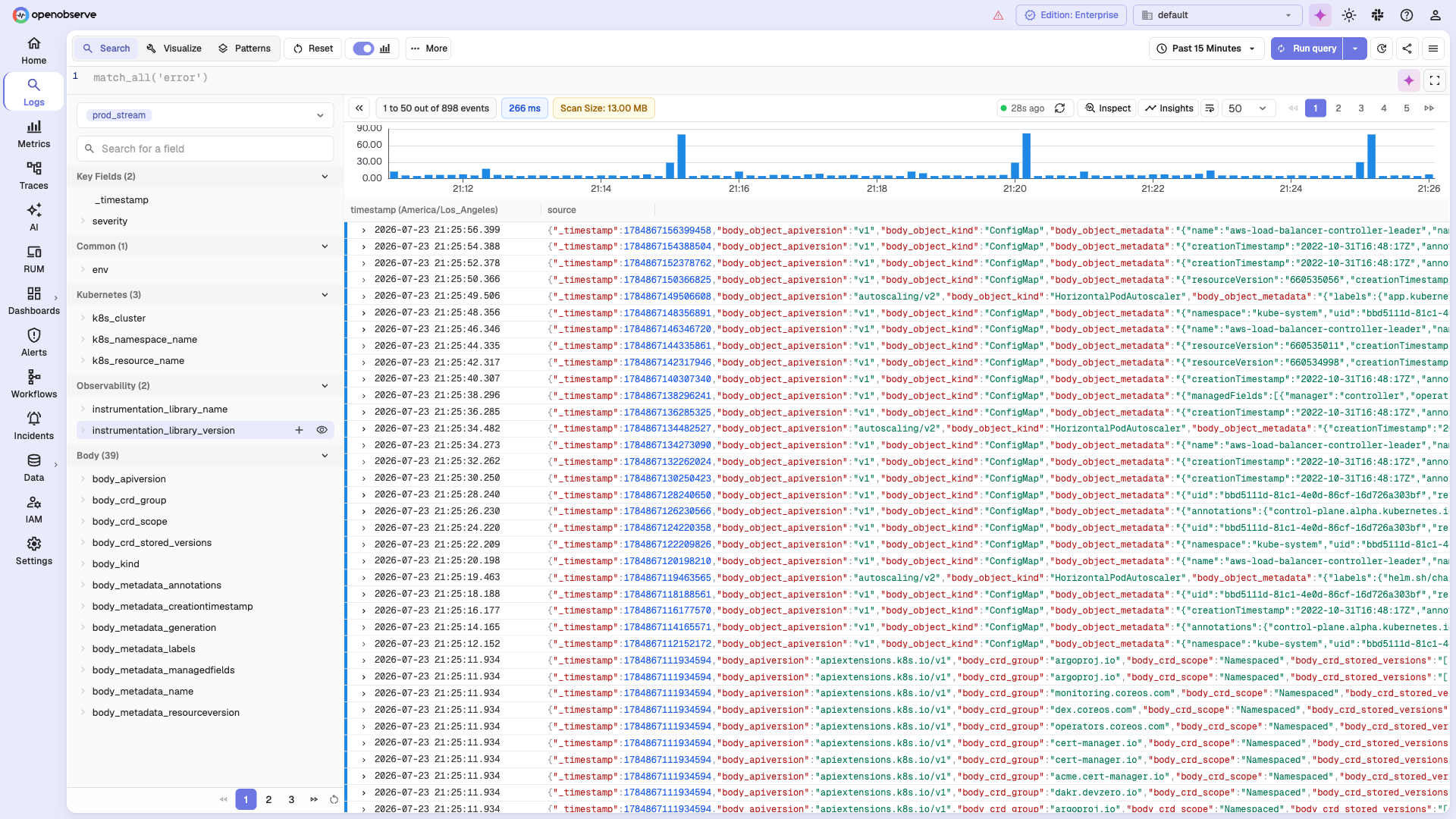
OpenObserve is an observability platform written in Rust that stores data in a compressed columnar format and can keep it on cheap object storage instead of fast disks. It covers logs, metrics, traces and browser-side monitoring in a single deployment.
What it is good for. Anyone running two or three services who has so far been reading logs by connecting to the machine and scrolling. It is also for anyone who priced a hosted logging service, saw what a few gigabytes a month costs, and closed the tab.
- One binary or one container, with no separate database, message queue or search cluster to install first.
- It speaks OpenTelemetry, the common standard for sending this kind of data, so most programming languages already have a library that can talk to it.
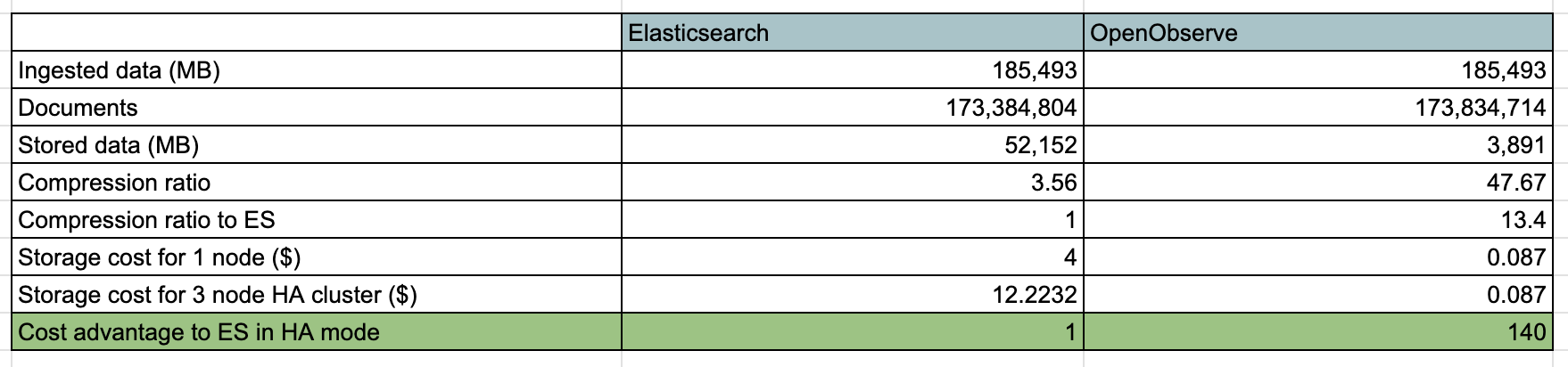
- Old data can be pushed to object storage, which is the cheapest place to keep things you will rarely read again.
- AGPL-3.0, and there is a separate Enterprise Edition under a commercial licence that holds single sign-on and fine-grained permissions. The free version is complete for one person or a small team; it is not the same product a company buys.
- Searching a lot of data still wants memory. Budget 1 to 2 GB before you store anything serious.
- The vocabulary is not simple. Logs, metrics and traces are three different things, and the screen assumes you already know which one you want.
- grafana/loki
28,934 stars, logs only, and designed to sit beside Prometheus and Grafana rather than replace them, so it is more pieces to run.
Track this in Scout  SigNoz/signoz
32,055 stars and the same three-in-one idea, built on ClickHouse, with a stronger focus on application performance monitoring.
Track this in Scout- VictoriaMetrics/VictoriaMetrics
17,611 stars, built for numbers over time rather than logs, and very economical with disk.
Track this in Scout
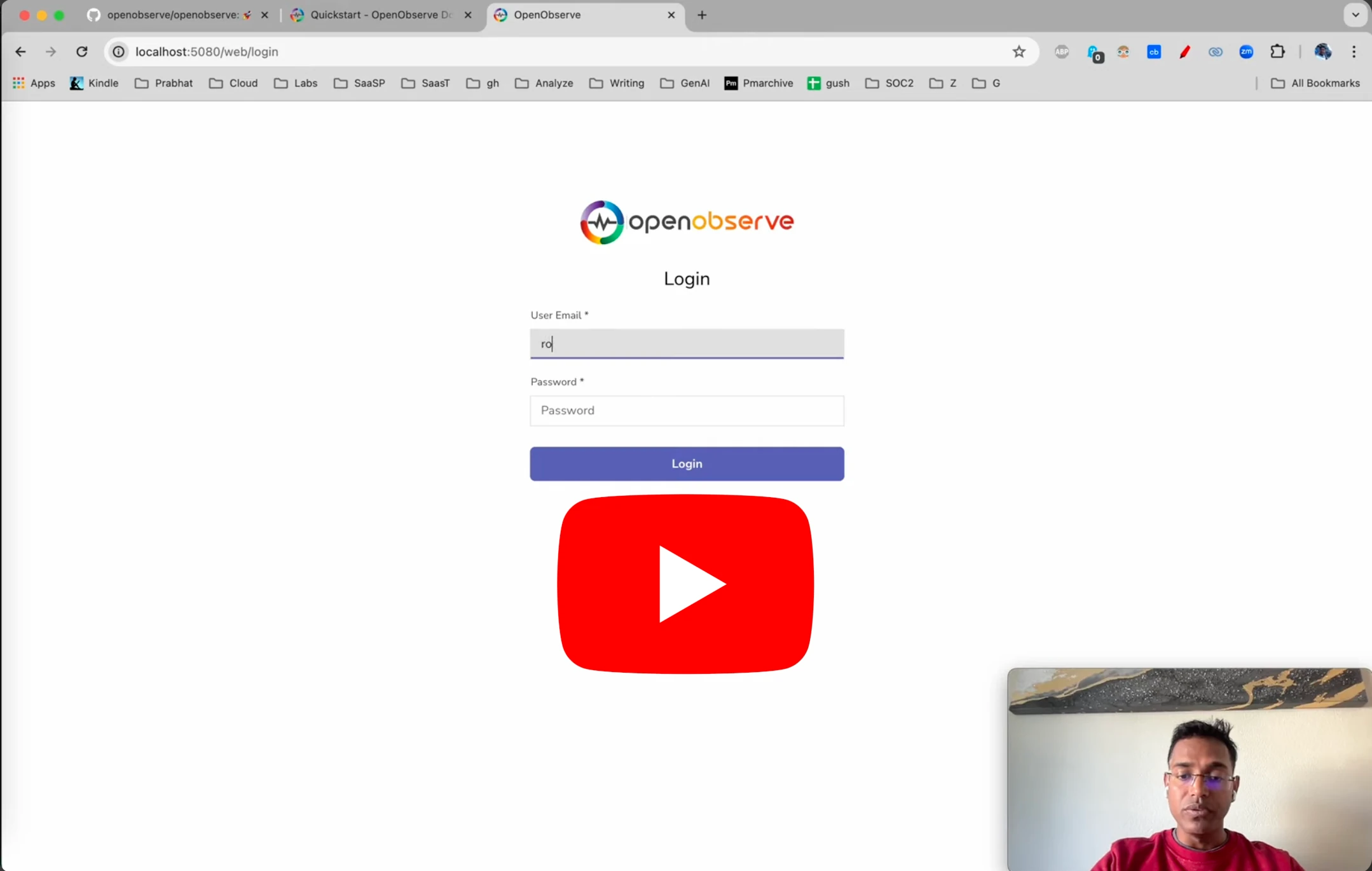
docker run -d --name openobserve \
  -v "$PWD/openobserve-data:/data" \
  -p 5080:5080 \
  -e ZO_ROOT_USER_EMAIL="you@example.com" \
  -e ZO_ROOT_USER_PASSWORD="change-this-password" \
  public.ecr.aws/zinclabs/openobserve:latest