2269 stars · GPL-2.0 — read from /blob/master/LICENSE, plain unmodified FSF text; there is no COPYING file and no main branch · v1.9.4 of 2026-08-31, the yearless GitHub date settled by ungh's releases endpoint · Track this in Scout
A mature desktop personal-finance manager for tracking accounts, budgets and spending, built on wxWidgets.
▶Repo detailsthe review · specs · pros & cons · install
What it is
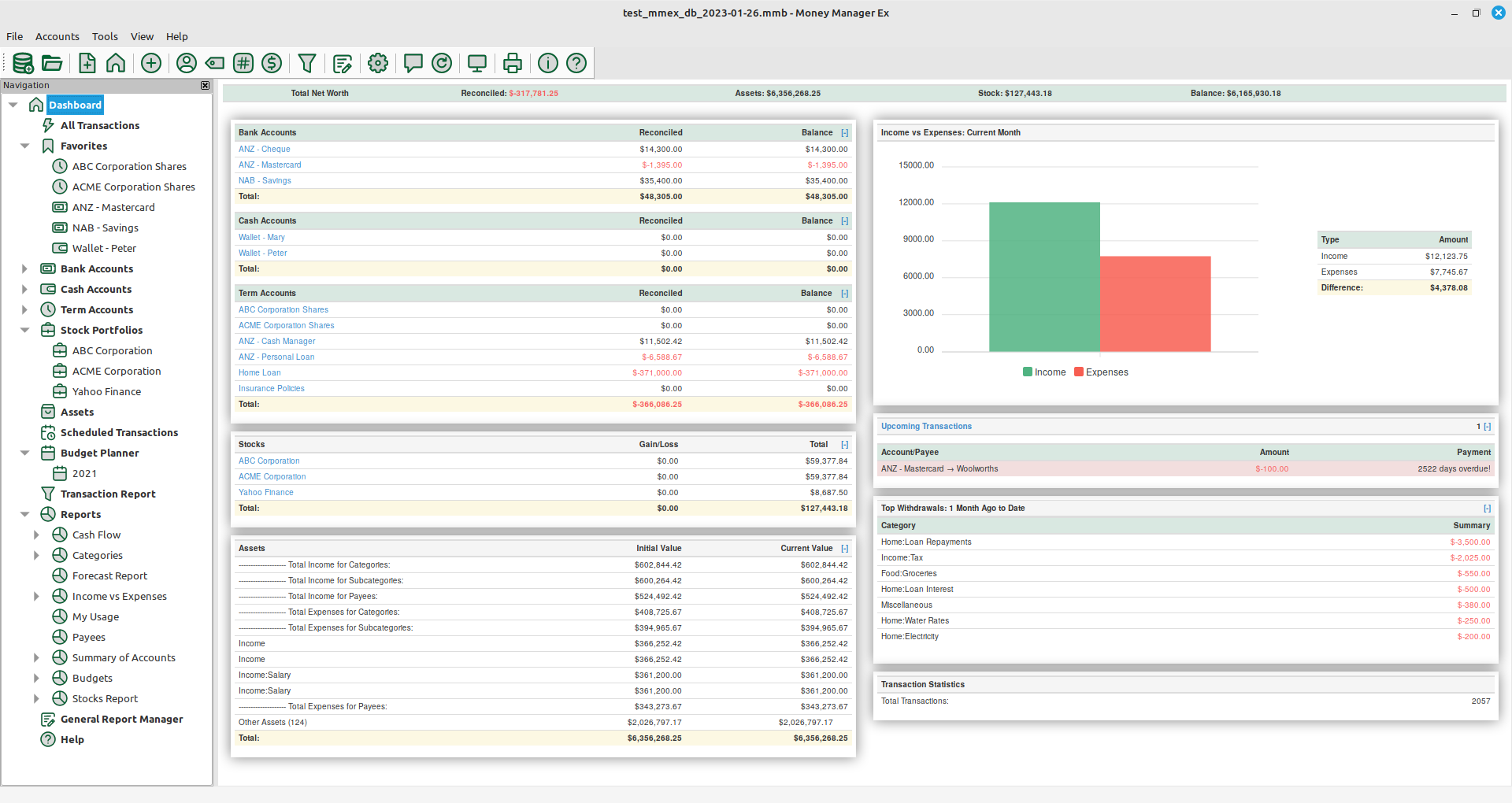
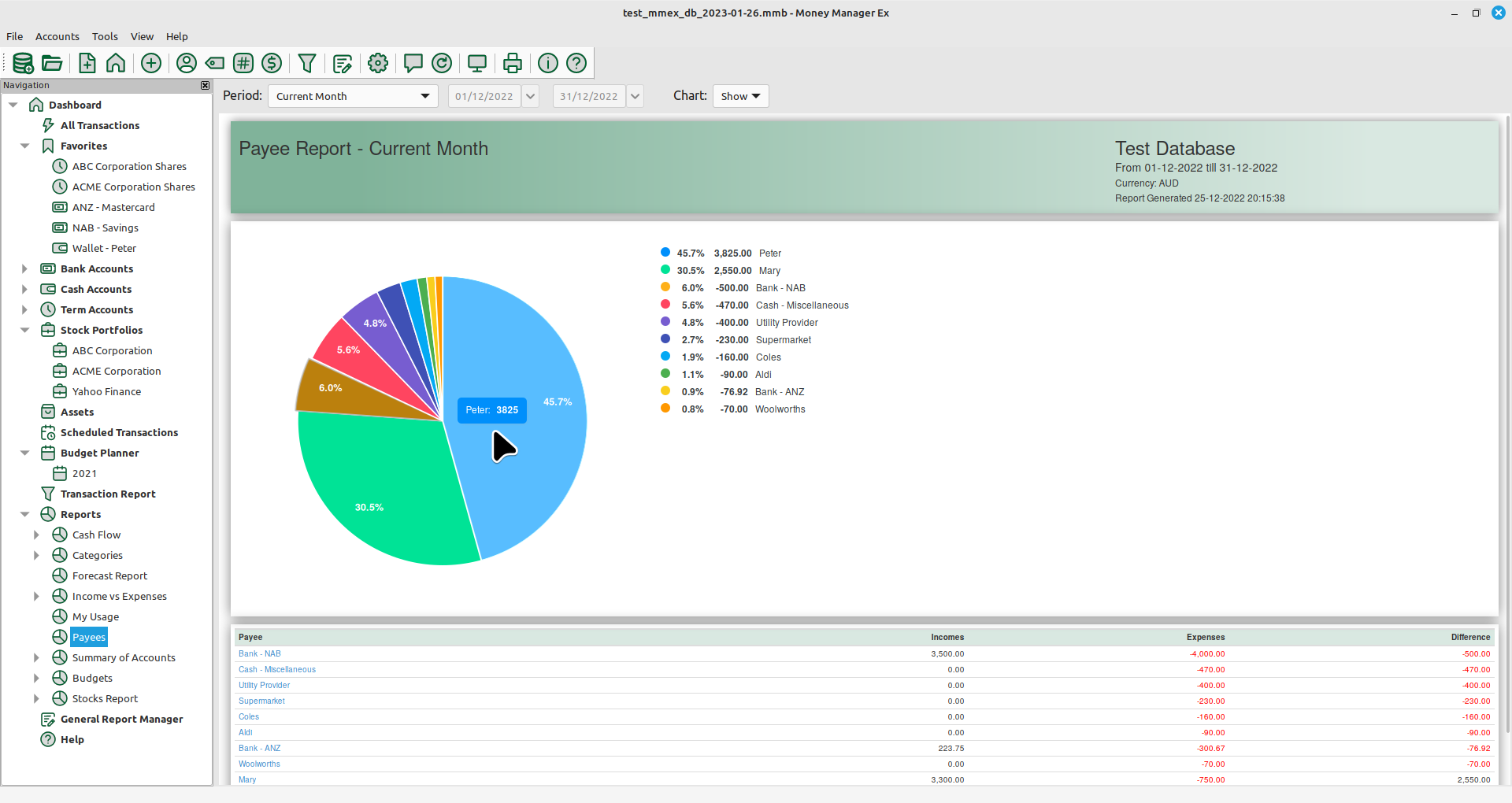
A desktop application at 2,269 stars, written in C++ and first published in May 2014, that stores everything in a single SQLite file with optional encryption. It covers current accounts, credit cards, savings, shares and assets, with nested categories, tags, reminders, budgets and charts. Version 1.9.4 is dated 31 August 2026 and code landed on 27 September 2026.
What it is good for. Someone who wants to see where household money goes without handing a bank feed to a company. Its own README states the aim plainly: the basic features that ninety per cent of people would want. It is also the easiest thing here to carry about, because a version runs from a memory stick with nothing installed.
- GPL-2.0, read from the licence file and the plain unmodified text.
- One local file, optionally encrypted, with no account and no subscription. Nothing is uploaded anywhere by design.
- Ready-made downloads for Windows, macOS, Linux through Flathub, and phone versions, so nothing has to be built.
- The release notes for the current version state a known problem with balance calculations when date-range filters are used. In a program whose whole job is arithmetic about money, that is worth knowing before you trust a figure it shows.
- 456 open issues against a single open pull request. Reports arrive far faster than they are worked through, so expect long-lived bugs.
- Everything lives in one file on one disk. Backing it up, keeping it in step across two computers, and recovering it if it is damaged are entirely your job.
- No minimum operating system version, memory or disk figure is published anywhere. Building it yourself is a real commitment: Visual Studio on Windows, or a hand-built interface library on macOS.
 gnucash/gnucash
The same job with full double-entry accounting and small-business features such as invoicing, more capable and considerably harder to learn; its licence is compound, GPL-2 or 3 plus an OpenSSL exception.
Track this in Scout actualbudget/actual
Also personal finance kept on your own machine, but built as a self-hosted web application around envelope budgeting rather than a native program with one file.
Track this in Scout- KDE/kmymoney
The same kind of desktop finance manager with strong investment and bank-connection support, but this address is only a mirror and the real development lives on KDE's own servers.
Track this in Scout
https://github.com/moneymanagerex/moneymanagerex/releases/