9.3k stars · AGPL-3.0 · 3.70.1 (2026-09-14), read from /releases/latest · Track this in Scout
Self-hosted wealth management that tracks holdings, allocation and performance across accounts.
▶Repo detailsthe review · specs · pros & cons · install
What it is
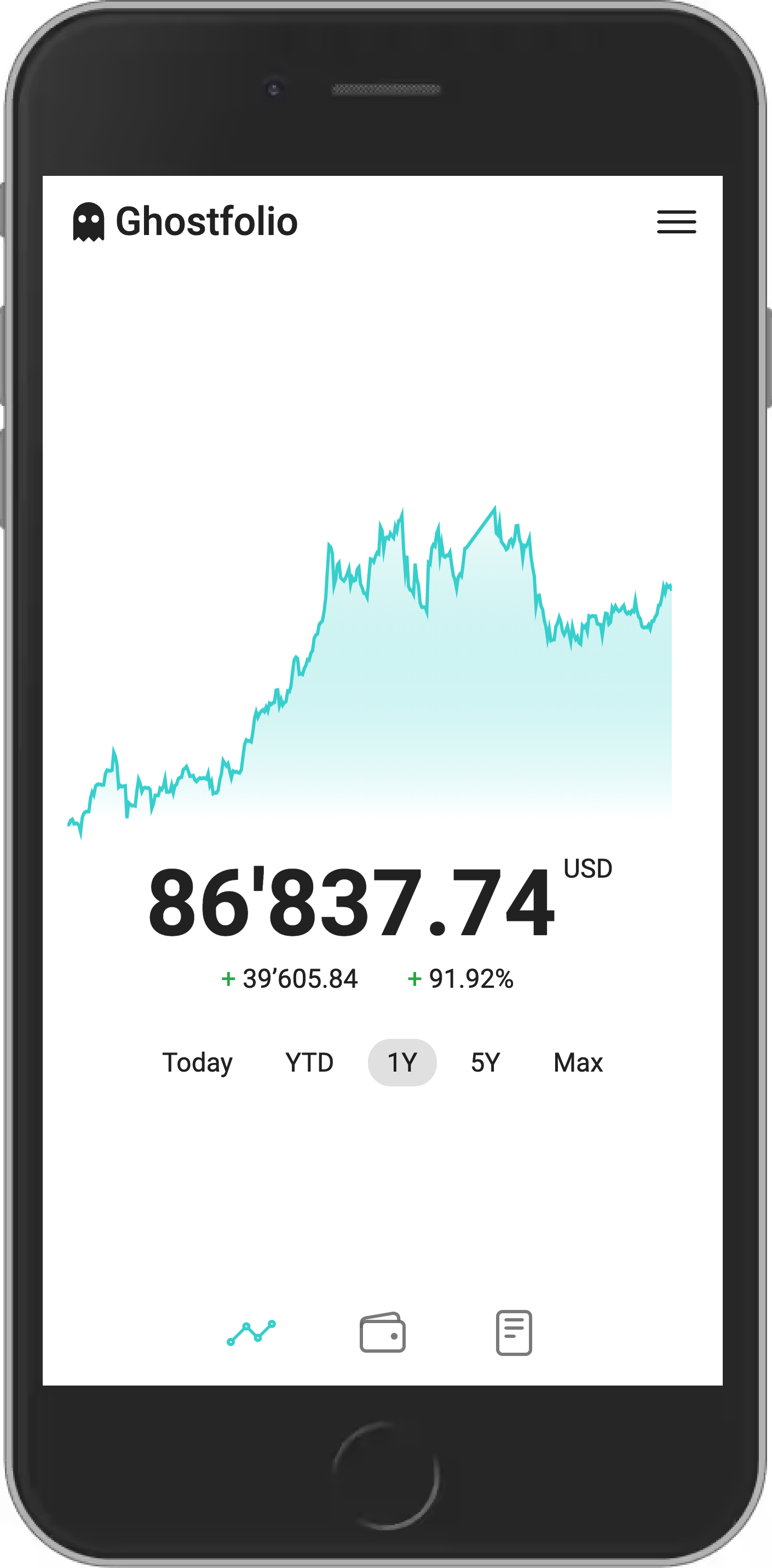
A self-hosted wealth management application built with Angular and NestJS, using PostgreSQL for storage and Redis for caching. It handles shares, funds, cryptocurrency, commodities and cash across several accounts and currencies, fetches market prices from public data sources, and reports performance, allocation and dividends. There is a hosted subscription from the same people, and the self-hosted version has everything.
What it is good for. Any solo founder whose money is in more places than they can picture. The problem it removes is the spreadsheet you update twice a year and then stop trusting. It also draws a clear line this radar has been circling: Edition 20 covered Actual for deciding where money will go, Edition 22 covered Fava for recording where it went, and this one answers what you currently hold. The three do not overlap, and this is the only one of them that fetches a price on its own.
- It understands several accounts and several currencies at once, which is where a spreadsheet usually gives up.
- Market prices are fetched for you, so the total is current without any typing.
- Nothing is connected to a bank, so there is no account access to hand over and nothing to revoke.
- AGPL-3.0. Running it for yourself is completely free. Building a service on top of it means publishing your changes.
- It needs PostgreSQL and Redis beside it, so this is a few containers rather than one, and it wants a couple of gigabytes of memory.
- Every transaction is typed in by hand, or imported from a file you prepare. There is no bank connection.
 firefly-iii/firefly-iii
A full personal finance manager built around your bank accounts and budgets rather than your investments, and much larger.
Track this in Scout beancount/fava
A screen over a plain text accounting file, which records what happened rather than tracking what you hold.
Track this in Scout actualbudget/actual
Decides where money will go before you spend it, which is the question neither of the other two answers.
Track this in Scout
# Take the project's own compose file and environment example:
git clone https://github.com/ghostfolio/ghostfolio.git
cd ghostfolio
cp .env.example .env
# Edit .env and set your own values for the database password,
# ACCESS_TOKEN_SALT and JWT_SECRET_KEY. Then:
docker compose -f docker/docker-compose.yml up -d
# Open http://<your-server-address>:3333 and press "Get Started".
# The first account you create becomes the administrator.